




8 of the Most Expensive Foods in History
Throughout history, certain foods have carried astronomical price tags. Some were costly because they were difficult to grow or find, others because they traveled great distances along early trade routes, and still others because myth elevated them into coveted status symbols.
From spices that once cost more than gold to tropical fruits displayed as signs of prestige, luxury foods reveal what different eras valued — and what they were willing to pay for. This list explores some of the most expensive and unexpected delicacies in history, tracing how scarcity, symbolism, and shifting tastes turned everyday ingredients into the edible treasures of their time.
Saffron
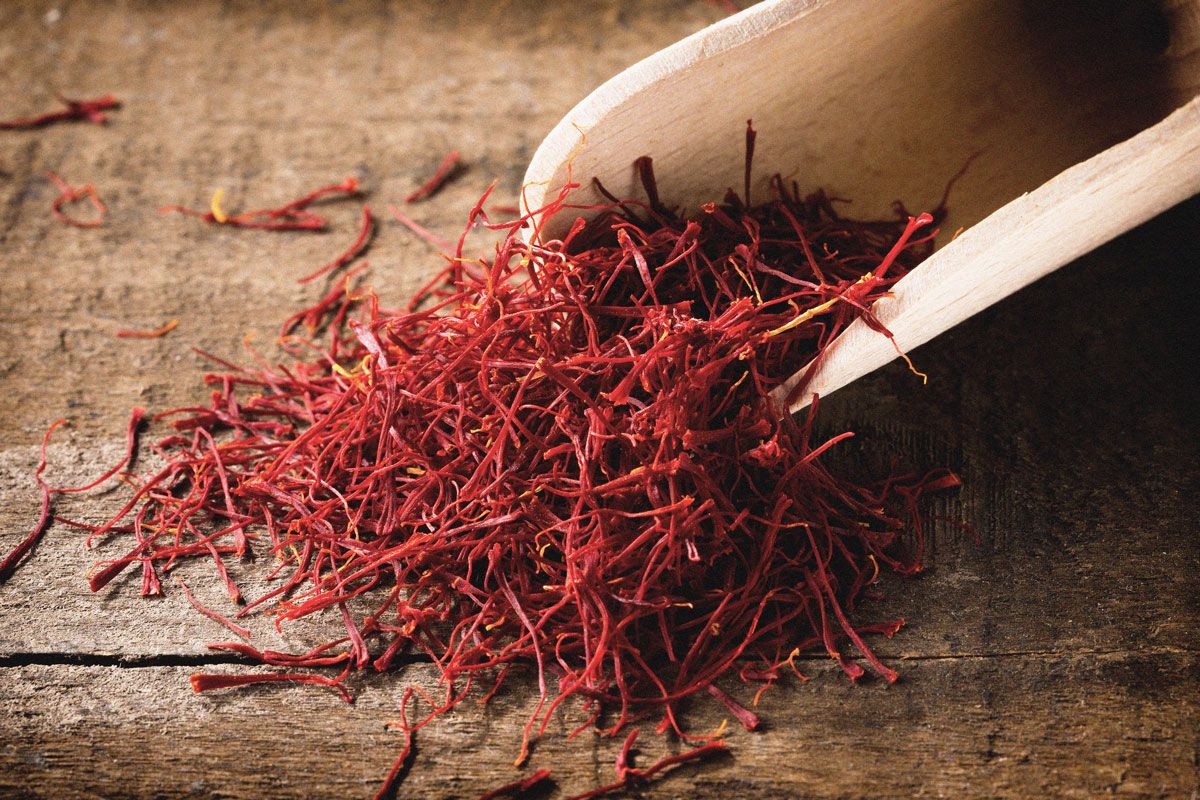
Sometimes called “red gold,” saffron has been prized for millennia, appearing in written records as early as 2300 BCE. In the 14th and 15th centuries, it was often worth more than gold by weight, and it’s currently the most expensive spice pound for pound (costing between $2,000 to $10,000 per pound). Its extraordinary cost comes from the staggering labor required to harvest it. Each Crocus sativus blossom yields just three fragile stigmas (the part of the flower that catches pollen), which must be handpicked during a brief fall bloom, ideally midmorning when the flowers fully open. Modern estimates suggest that producing 1 kilogram (2.2 pounds) of dried saffron requires 70,000 to 200,000 flowers and 370 to 470 hours of labor, which helps explain why the spice has historically fetched astonishing sums.
Saffron’s value also surged thanks to its many uses: Historically, it was a culinary cornerstone across Asia and the Mediterranean, a sacred dye in Hindu traditions, and a prized medicinal ingredient in ancient Rome (where Pliny the Elder claimed it was nearly a universal cure). Demand especially soared in medieval Europe; Venice dominated the saffron trade, and adulteration was taken so seriously that a merchant was once burned at the stake for trying to sell a phony product.
Truffles
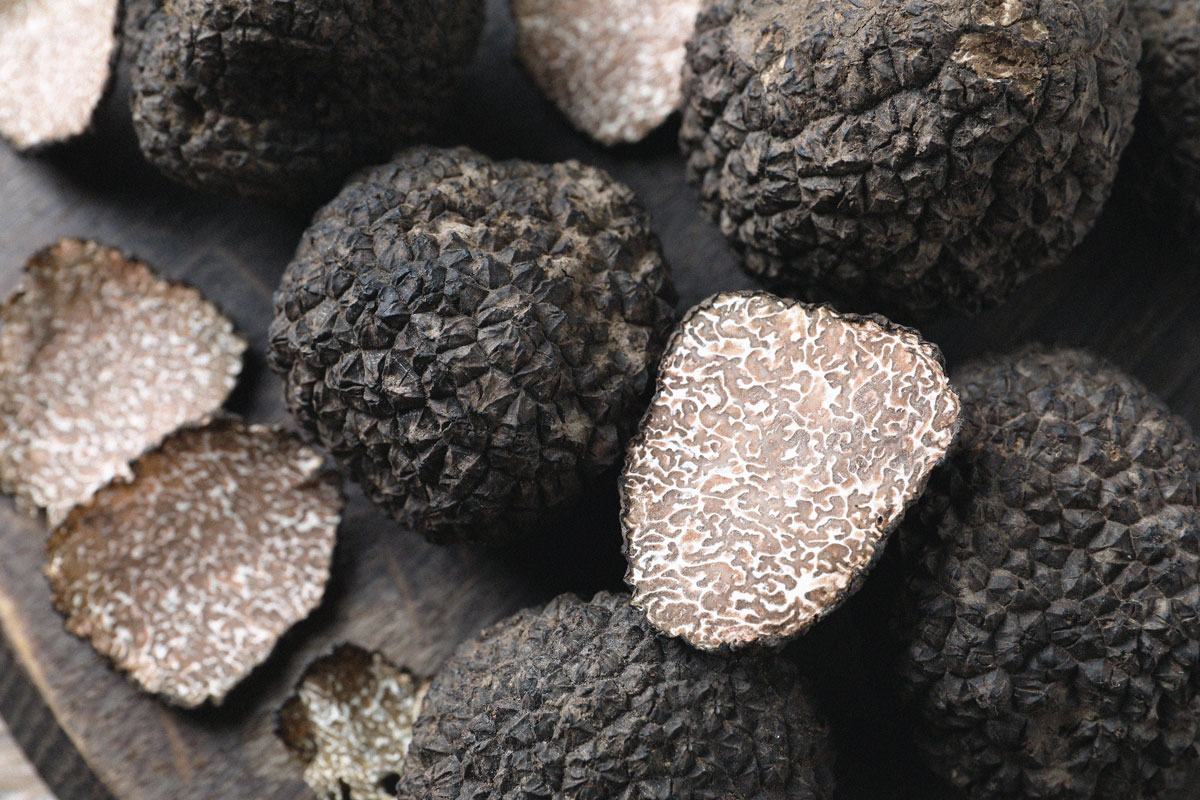
Truffles have commanded extraordinarily high prices for centuries, since long before they became a modern luxury. Their mystery only amplified their value: For much of European history, no one knew exactly how truffles formed, and around the 14th century they were even thought to be the food of witches. Not until 1711 were they recognized as a fungus, and it wasn’t until the 19th century that their association with tree roots was understood. By then, truffles were already firmly established in aristocratic cuisine — so prized that French food writer Jean Anthelme Brillat-Savarin called them “the diamond of the kitchen,” while Italian composer Gioachino Rossini reportedly dubbed them “the Mozart of mushrooms.”
This mushroom’s cost reflects its persistent scarcity. Even today, truffles can’t be reliably cultivated on a large scale and must be foraged by trained dogs. (Pigs tend to eat the prize instead of handing it over.) White truffles can fetch $3,000 to $5,000 per pound, and a 4.16-pound specimen sold at a Sotheby’s auction in 2014 for $61,250 (about $84,000 today). Seasonality, delicate handling, and rapid transport needs further elevate the price of this long-beloved treat.
Pineapple
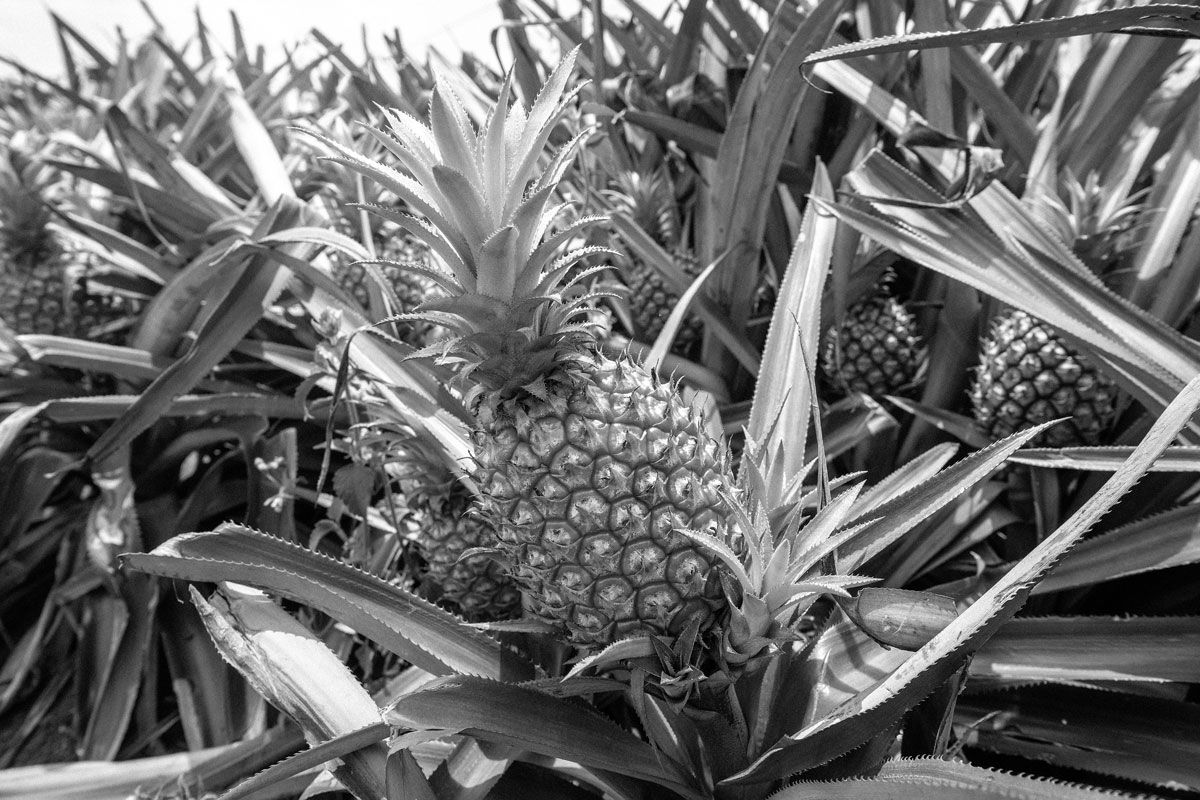
In 17th-century England, the pineapple was one of the most extravagant status symbols imaginable. Fresh specimens were so rare that a single fruit could cost the modern equivalent of thousands of pounds, making it a luxury reserved for royalty and the elite. Because England’s climate couldn’t support tropical fruit, gardeners cultivated pineapples in hothouses — known as “pineapple pits” — requiring enormous expense in fuel and specialized care.
The fruit quickly became a marker of prestige: Hosts sometimes rented pineapples purely for display at banquets, and portraits from the era even depict nobles presenting the fruit as a sign of wealth and global reach. The pineapple’s scarcity, exoticism, and difficulty of cultivation turned it into a culinary trophy, far more often admired than eaten, and one of the most coveted foods in early modern Britain.
Caviar
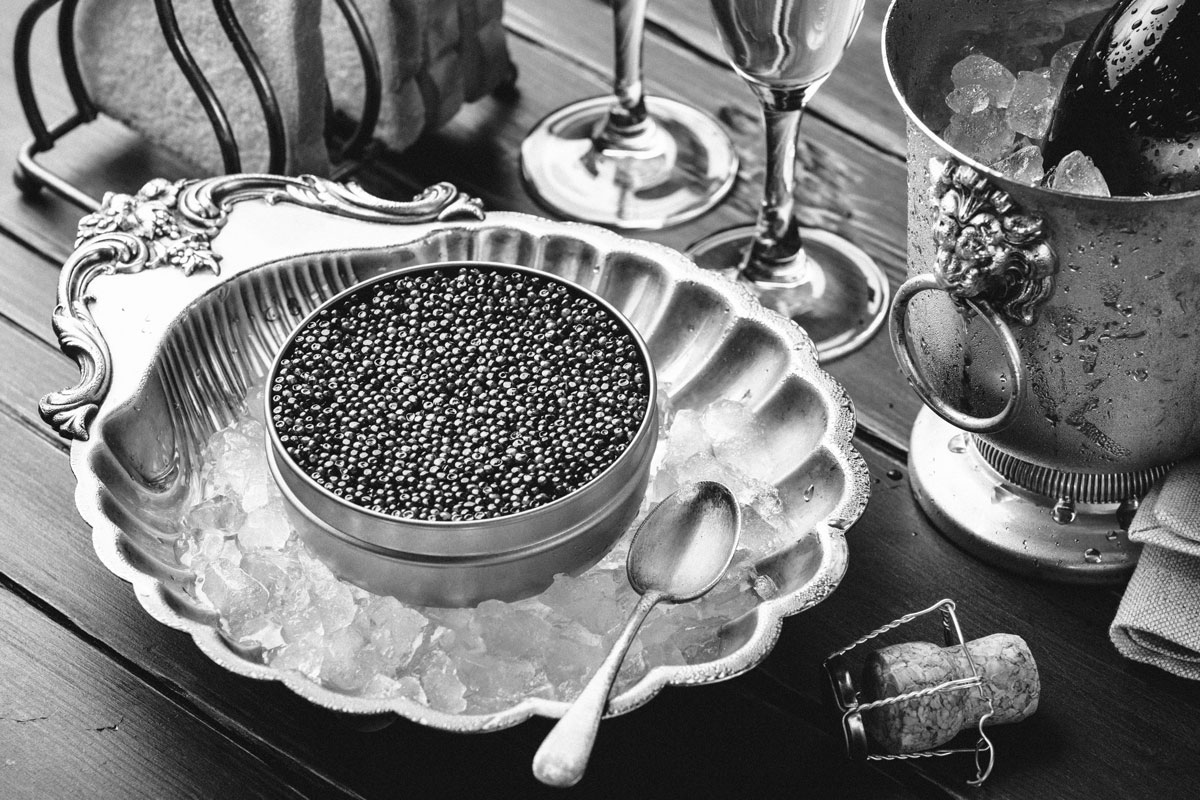
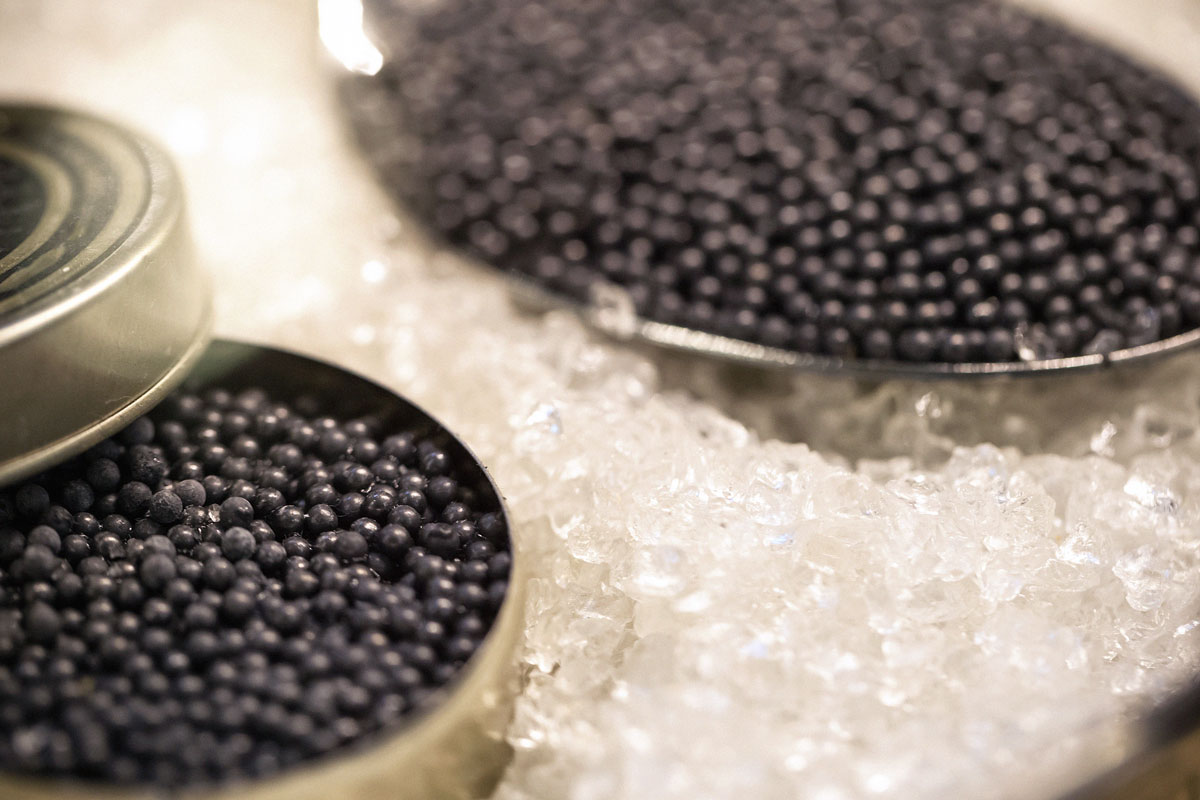
Caviar — particularly beluga caviar from sturgeon in the Caspian Sea — became a luxury in Europe in the 19th century, when dwindling wild populations and rising demand elevated it from a regional staple to an elite delicacy. Its price reflects the long maturation of sturgeon, which can take more than a decade to produce roe, as well as the meticulous processing required to salt and grade each batch.
The rarest variety, Almas caviar, is sourced from albino beluga sturgeon and often packaged in 24-karat gold tins; it can cost more than $35,000 per kilogram (roughly $15,900 per pound). Caviar’s scarcity increased sharply in the 20th century as overfishing and habitat loss reduced sturgeon stocks, cementing it as a symbol of wealth and exclusivity. Today, even with aquaculture, top-grade wild caviar remains among the most expensive foods ever traded.
Bird’s Nest Soup
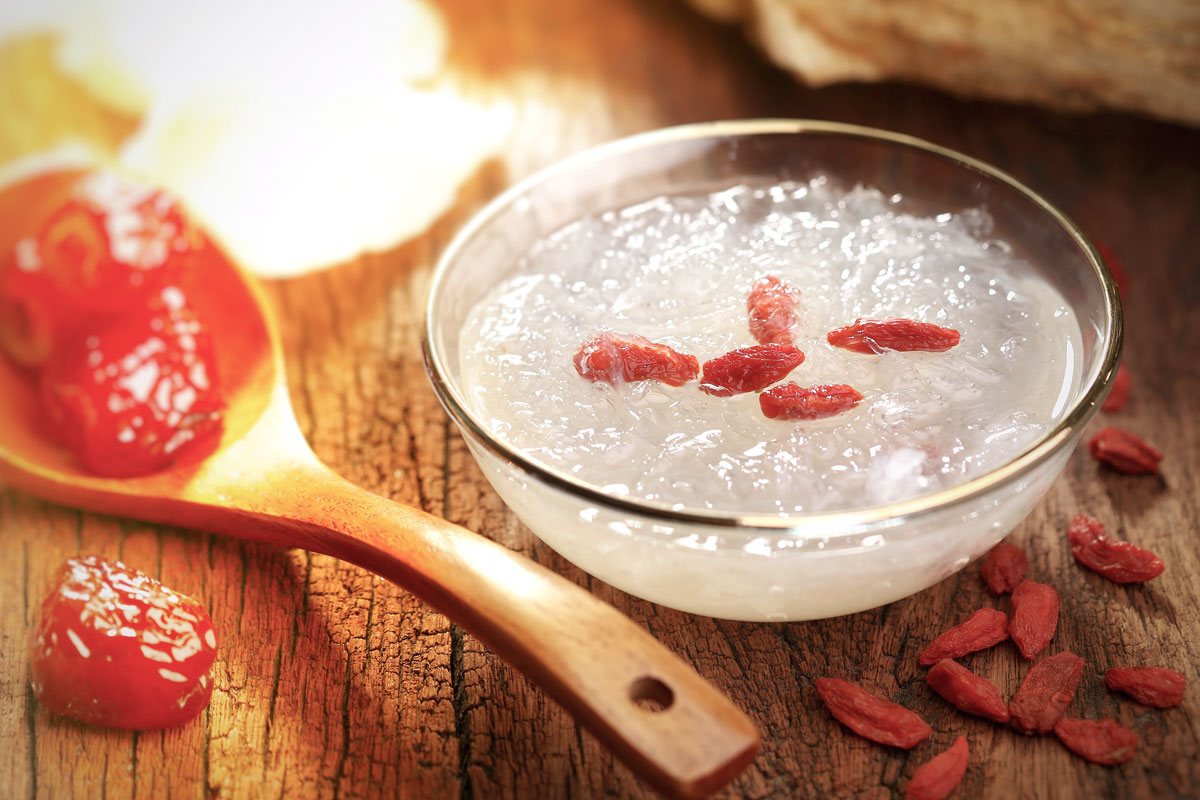
Bird’s nest soup has been a luxury in Chinese cuisine for centuries — a delicacy made from the hardened saliva nests of swiftlets, which cling high on cave walls. Harvesting them has always been perilous, requiring expert climbers and creating a built-in scarcity that pushed prices sky-high.
In imperial China — especially during the Ming and Qing dynasties — the nests were reserved for nobles and elite banquets, prized for their rarity, supposed medicinal properties, and gelatinous texture when cooked. Even today, the soup can cost you $100 a bowl. The value remained high because each nest took weeks for a bird to build and was often damaged if not removed carefully. By the 19th century, entire maritime trade routes connected Southeast Asian nesting sites to Chinese markets. Even today, top-grade nests can cost thousands per kilogram — a testament to their centuries-long reputation as one of the world’s most unexpected luxury foods.
Ambergris
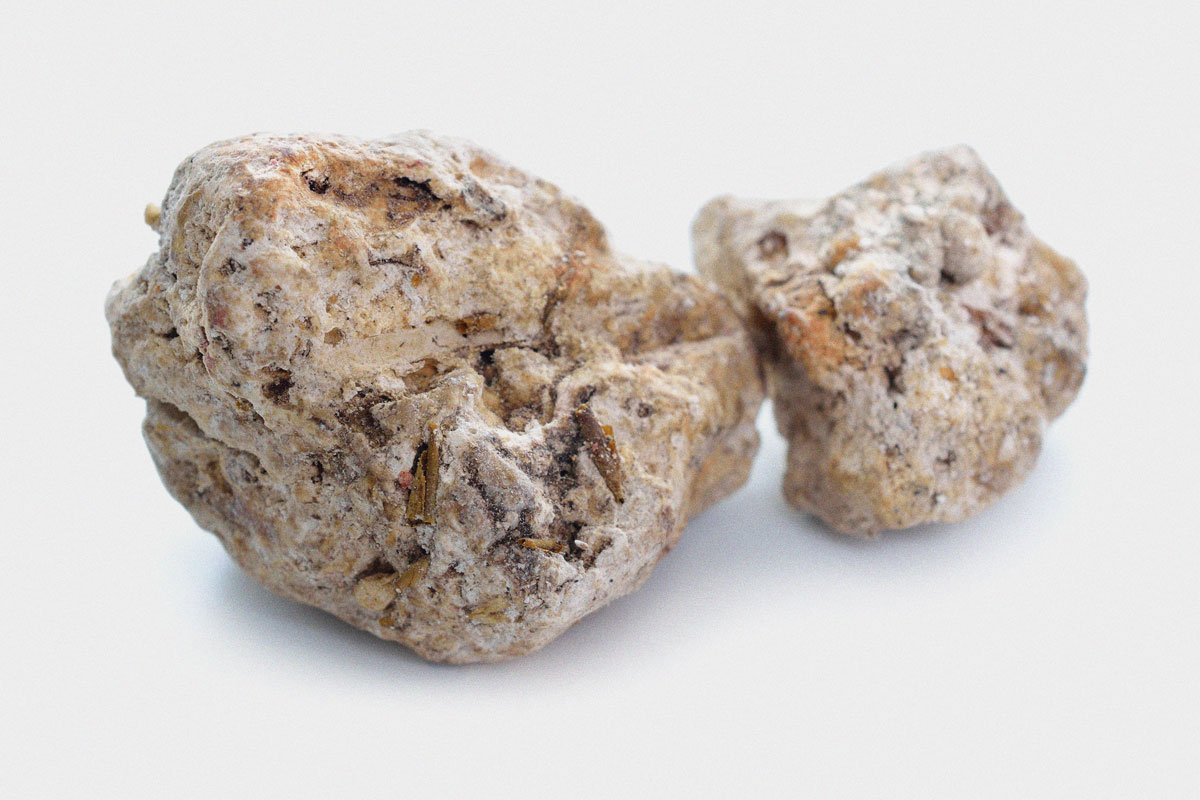
Ambergris — the waxy, grayish substance expelled by sperm whales — is one of history’s strangest and most valuable edible luxuries. It’s been called both “the treasure of the sea” and “whale vomit” (although it actually comes out of the other end of a whale). Formed in a whale’s intestines, ambergris originates as a protective secretion, then hardens at sea into a pale, rocklike mass. When it washes ashore, it can fetch thousands of dollars, prized less for appearance than for its extraordinary scent, described as a blend of forest-floor leaf litter and the delicate underside of mushrooms.
Though best known today for its use in elite perfumery, ambergris entered English cookery by the 1660s. Luxurious puddings, custards, and possets often called for it, pairing its sweet, earthy aroma with ingredients such as rose water, nutmeg, and almonds. By the 18th century, ambergris was used to flavor gelatins and medicinal drinks before tastes shifted.
Today, ambergris occupies a legal gray zone: It’s still prized in the U.K. and European Union, where beachcombers can scavenge for it, but it’s banned in the United States due to whale protection laws. Where it’s legal, finding some ambergris on a beach can bring about a hefty payday. In 2012, one large piece found on a beach in England was estimated to net about $65,000 (close to $92,000 today).
Black Peppercorns
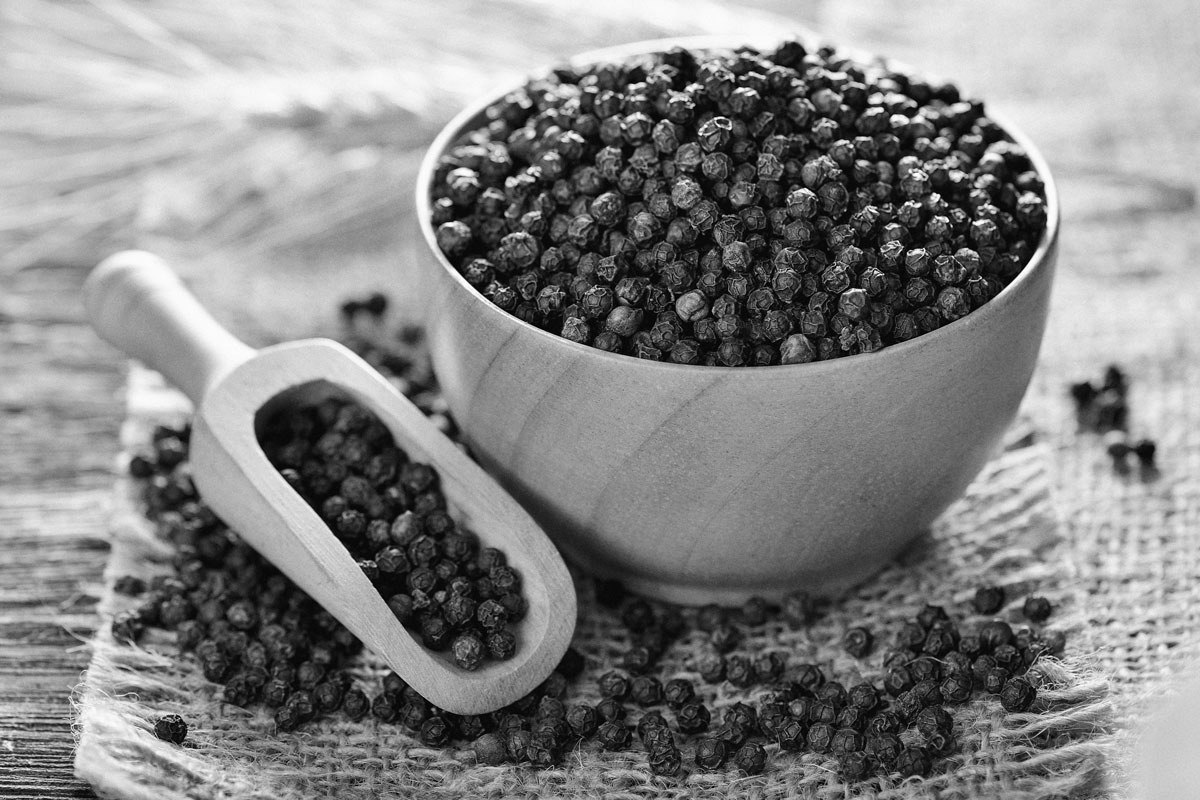
Black pepper seems ordinary now, but for much of history it was a prized and often prohibitively expensive spice. In ancient Rome, pepper was valuable enough to be used for taxes, tribute, and even ransom, and by the medieval period it was known as “black gold.” Its cost came from long-distance trade through India and the Middle East, where merchants guarded routes and supply tightly.
Pepper’s portability made it especially valuable: A single sack could represent enormous wealth. In some European regions, peppercorn rents were paid to landowners, and elite households kept pepper locked in its own storage box. As demand rose through the 15th century — fueled by European tastes for heavily spiced cuisine — pepper became one of the central commodities driving exploration and early global trade. Its eventual affordability reflects just how valuable it once was.

Silphium
Silphium may be the ancient world’s most legendary lost luxury. A resinous plant native to North Africa — especially around the Greek city of Cyrene (in modern-day Libya) — it was so prized that it appeared on local coinage and was exported throughout the Mediterranean. Writers such as Pliny the Elder praised its medicinal and culinary powers, noting its high price and limited supply.
Silphium’s value came from extreme scarcity: It resisted cultivation, grew only in a narrow coastal strip, and was harvested faster than it could regenerate. That meant it was often traded at prices comparable to precious metals. Yet by the first century CE, demand from Greek and Roman elites pushed the plant to extinction. Silphium’s disappearance became a symbol of overharvesting and luxury excess — an ancient food and medicine so expensive it vanished from history entirely. Recently, however, botanists have found a species in Turkey that may be the plant or a close cousin.


