



Why Were Missing People Printed on Milk Cartons?
Today, when a child goes missing, word spreads quickly through broadcast and digital networks that can reach millions within minutes. But just a few decades ago, there wasn’t a system like that in place. Missing children cases were typically treated as isolated incidents and not urgent public issues.
Then, in the 1980s, efforts to raise awareness about missing children began to take shape in America in an unexpected way. For a brief period, photographs of missing people were printed on milk cartons, turning an everyday household item into a public alert system. The practice was short-lived, but it helped lay the foundation for the systems used today. So, why did images of missing kids end up on milk cartons in the first place, and why did they stop?
The Cases That Changed the Conversation
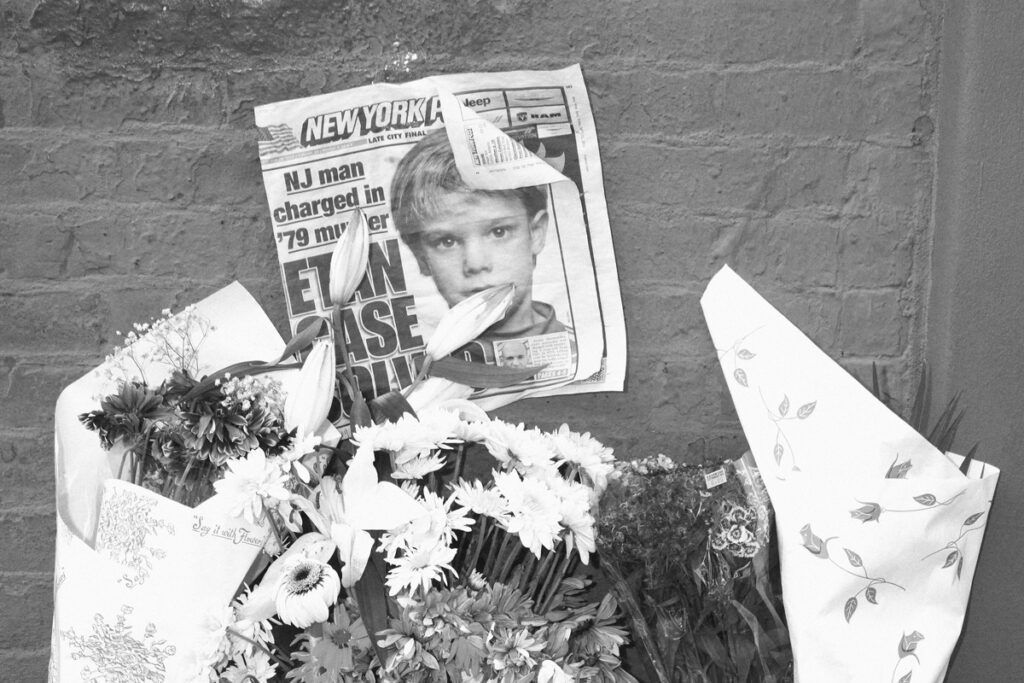
In the late 1970s and early 1980s, public concern about missing children shifted in the United States. The disappearance of 12-year-old Etan Patz in New York City in 1979 was a major turning point, garnering prolific media attention and inspiring grassroots search efforts. But it wasn’t until a few years later, in the Midwest, that the idea of getting information about missing children out to the public took hold in a very specific way.
In the early morning hours of September 5, 1982, 12-year-old Johnny Gosch disappeared in Des Moines, Iowa, while delivering newspapers for the Des Moines Register. Nearly two years later, in August 1984, 13-year-old Eugene Martin vanished under eerily similar circumstances while working his own paper route in the city. Both cases rattled the community and drew national attention, not only because of the similarities between them, but also because they challenged a deeply held assumption that such crimes were rare and distant — something that happened elsewhere, not in quiet, wholesome Midwestern neighborhoods.
More from our network






Breakfast Tables Broadcast Information
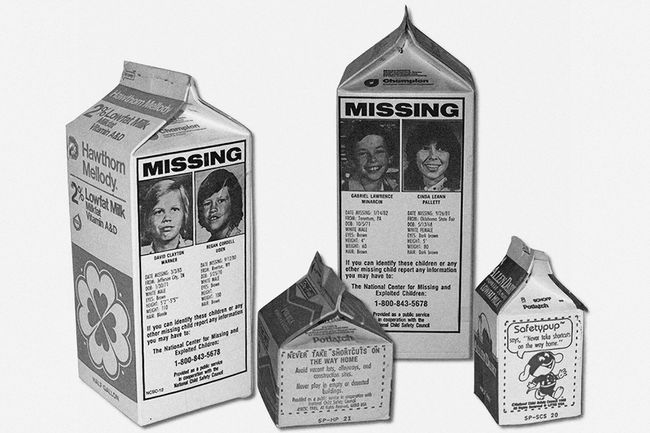
The Register swiftly began printing photos of the missing boys and information about their disappearances. Editor-in-chief James P. Gannon also solicited support from President Ronald Reagan in spreading fliers featuring their faces, both locally and in post offices around the country. Within weeks, local Iowa dairy farmers got involved, too. Anderson Erickson Dairy was the first to print photos and short bios of Gosch and Martin on the sides of half-gallon milk cartons sold locally in September 1984.
The milk carton campaign began naturally from both the moment and the place. The disappearances had deeply shaken Iowa communities, and local dairies happened to control one of the most common household products in America. Milk cartons passed through millions of homes every week, sitting on breakfast tables and refrigerator shelves; families saw them again and again, making them a logical choice for spreading information to the public.
The Campaign Goes National
Shortly after Anderson Erickson Dairy’s initiative, another Des Moines company started printing photos and bios of missing children. By December 1984, with the help of the National Child Safety Council, the program had gone national, implemented by over 700 independent dairies across the U.S. According to the NCSC, the images and biographies of missing people eventually appeared on hundreds of millions of milk cartons.
Milk cartons became the most recognizable version of the campaign, but they weren’t the only items used. Throughout the mid- to late 1980s, missing children also appeared on pizza boxes, grocery bags, buses, and direct-mail advertisements.
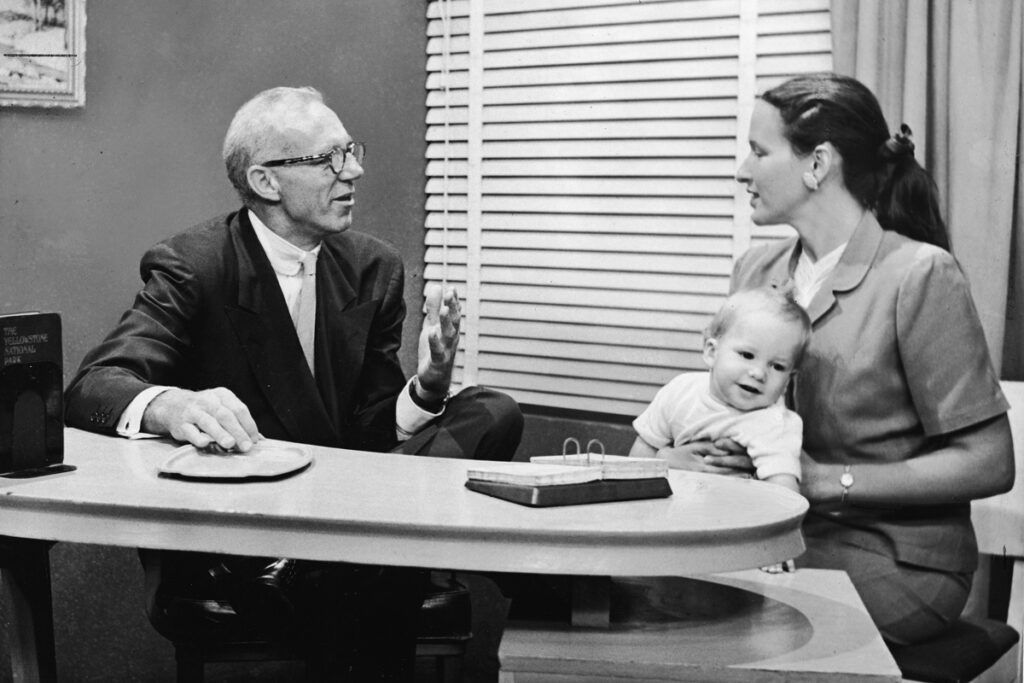
But the campaign didn’t last very long. By the late 1980s, critics — including pediatrician and author Dr. Benjamin Spock, one of the most popular parenting experts at the time — began raising concerns that the images were scaring young kids more than they were helping investigations. Others questioned how effective the cartons really were. Although the NCSC said in April 1985 that reported sightings of missing children had increased by more than 30%, the program resulted in very few solved cases. Sadly, the two missing boys who inspired the campaign — Johnny Gosch and Eugene Martin — were never found.
The milk carton campaign faded by the late 1980s, replaced over time by more coordinated systems such as national databases and Amber Alerts. Still, it left a lasting imprint on how missing children cases are handled. The National Center for Missing and Exploited Children says printing photos of missing people on milk cartons was foundational to the mass distribution of the missing child posters in use today.


