5 Myths About the American Frontier
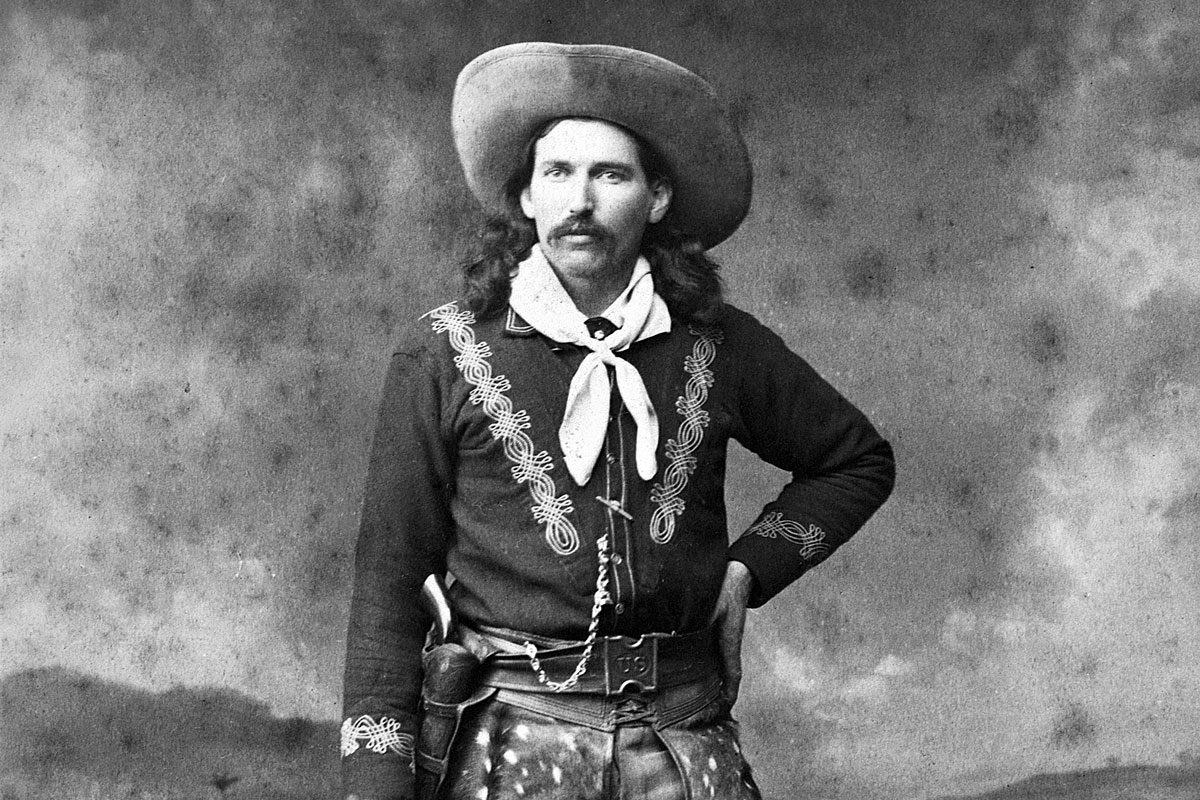
If your mental picture of the American frontier comes from the movies of John Wayne and Clint Eastwood, you’re in very good company. Pop culture has spent more than a century giving us films about the American West, featuring gunslinging outlaws riding through the streets of hardscrabble towns in desolate landscapes, with danger waiting behind every swinging saloon door.
In that Hollywood version, the frontier was a place of rugged individualism, free-roaming adventure, and nonstop danger. But the real frontier was often something else entirely. To really understand why this chapter of American history still looms so large in the collective imagination, we have to separate the legend from the lived experience.
Myth: The American Frontier and “Wild West” Are the Same Thing
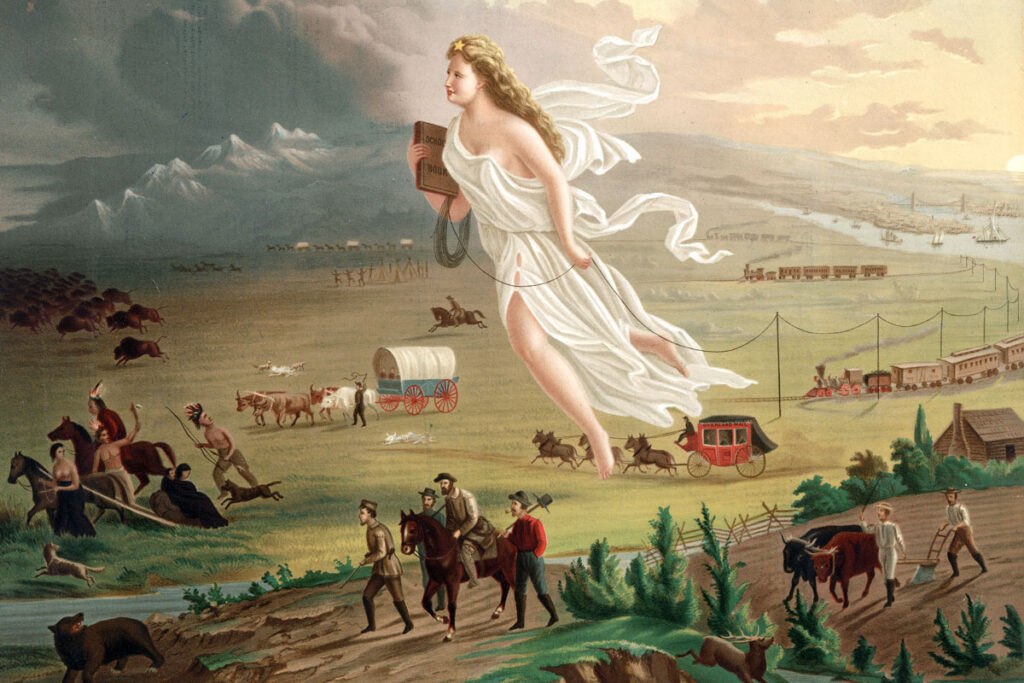
Though they’re often used interchangeably, the terms “American frontier” and “Wild West” don’t actually mean the same thing. “American frontier” refers broadly to the shifting boundary of U.S. settlement and expansion, stretching across different regions and centuries — from the Appalachian backcountry in the 18th century to the Great Plains and Pacific Coast in the 19th century. It describes a long-term historical process that varied widely by place, involving migration, settlement, conflict, and economic change. “Wild West,” by contrast, refers more specifically to the western United States between roughly the end of the Civil War through the end of the 19th century, and is tied to a narrower group of settings and themes such as frontier towns, cattle drives, mining camps, and the cultural mythology that later developed around that period.
The difference matters because the Wild West that’s typically been the focus of Hollywood films was only one colorful chapter in the much larger story of the American frontier. Cow towns, cattle drives, and infamous outlaw stories make up a vivid period in history, but they represent only a brief phase of a much longer and more complex period of national expansion.
You may also like


More from our network





Myth: The Frontier Was Mostly Populated by White Men
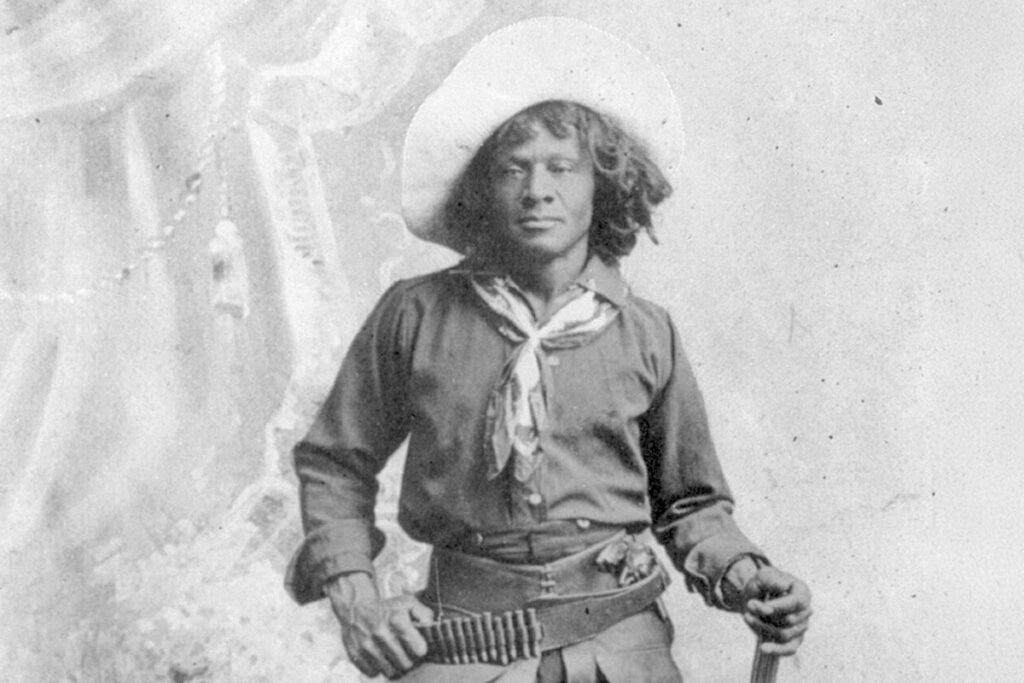
Popular portrayals of the American frontier often focus on white male figures — cowboys, ranchers, sheriffs, and outlaws — but the real frontier was far more diverse. Women played crucial roles in building and sustaining communities, running businesses, managing farms, raising children, teaching school, and holding families together through tremendous hardship.
Frontier towns and settlements also included Indigenous peoples, Black Americans, Mexican Americans, and immigrants from Europe and Asia. Historians estimate that roughly one in four cowboys was Black, while many others were Spanish or Mexican vaqueros whose horsemanship traditions profoundly shaped cowboy culture. Chinese immigrants, for their part, were essential to railroad construction and established businesses throughout Western towns. And Indigenous populations, of course, lived on and shaped these lands for centuries before U.S. expansion.
Myth: Cowboys Were Lone Heroes
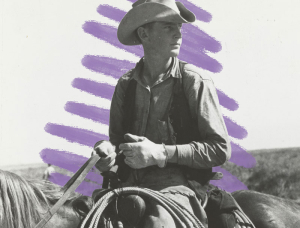
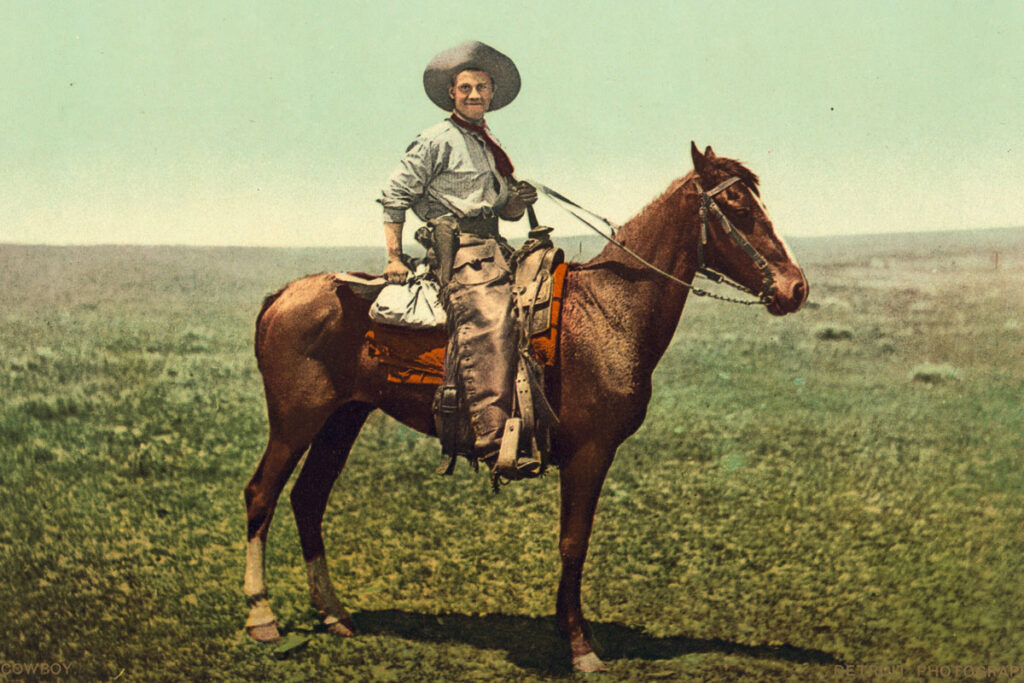
The lone cowboy riding the open range is one of the most enduring myths of frontier life. In reality, most cowhands were wage laborers doing physically punishing work for low pay. They worked for ranchers, spent long days herding cattle, endured harsh weather, and often had little control over where they went or how long they stayed on the trail.
Many cowboys were teenagers or men in their early 20s taking seasonal work, and the profession itself drew heavily from the traditions of Mexican vaqueros. Far from being solitary drifters, cowboys usually worked in organized teams. A single herd of 2,000 cattle often required about 12 workers, each with their own responsibilities. Their year followed a repetitive cycle of roundups, branding, winter herd watch, and spring cattle drives to railroad towns sometimes hundreds of miles away.
Myth: Everyone Carried a Gun
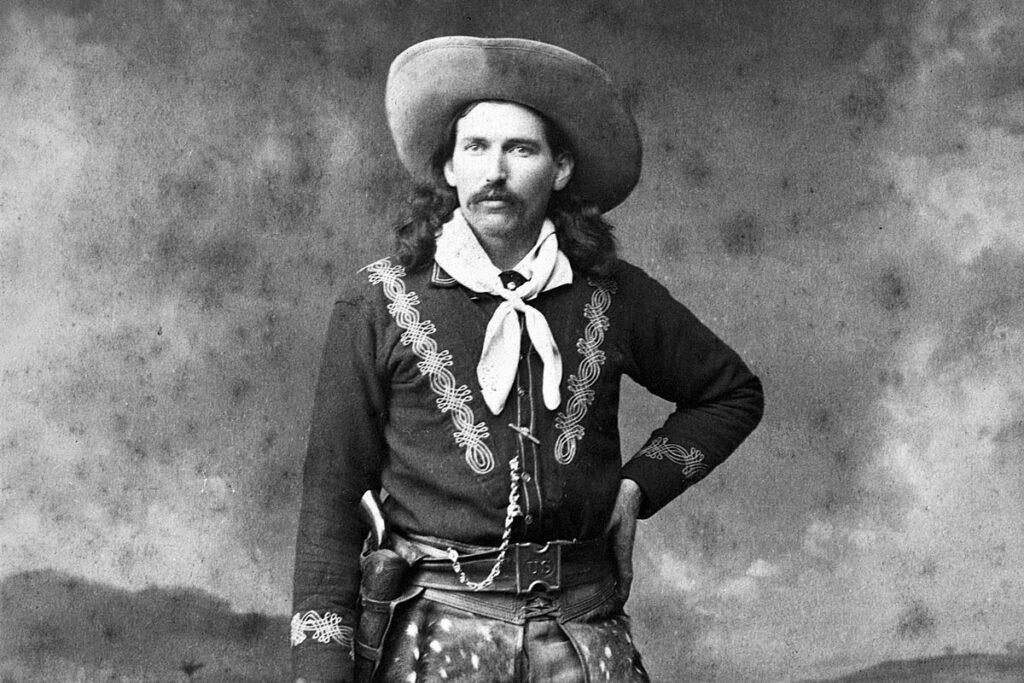
One of the most persistent beliefs about the frontier is that nearly everyone was armed and shootouts were a routine part of daily life. In reality, most frontier communities moved quickly to establish civic order. The majority of frontier residents were farmers, merchants, laborers, and families focused on work and survival. As settlements grew, they created local governments, hired marshals or sheriffs, and passed ordinances designed to reduce public violence. Firearms were common tools for hunting, ranching, and protection, but that didn’t mean towns welcomed people carrying them freely in public.
In fact, some frontier towns enforced strict rules around guns. Places such as Dodge City, Kansas, and Tombstone, Arizona, often required visitors to surrender their weapons upon entering town or prohibited carrying firearms in populated areas. Just as surprising, the famous gunfights that became legendary did so precisely because they were so unusual. If shootouts had truly been everyday events, they would never have stood out enough to become famous.
Myth: Cowboys Wore Stetson Hats
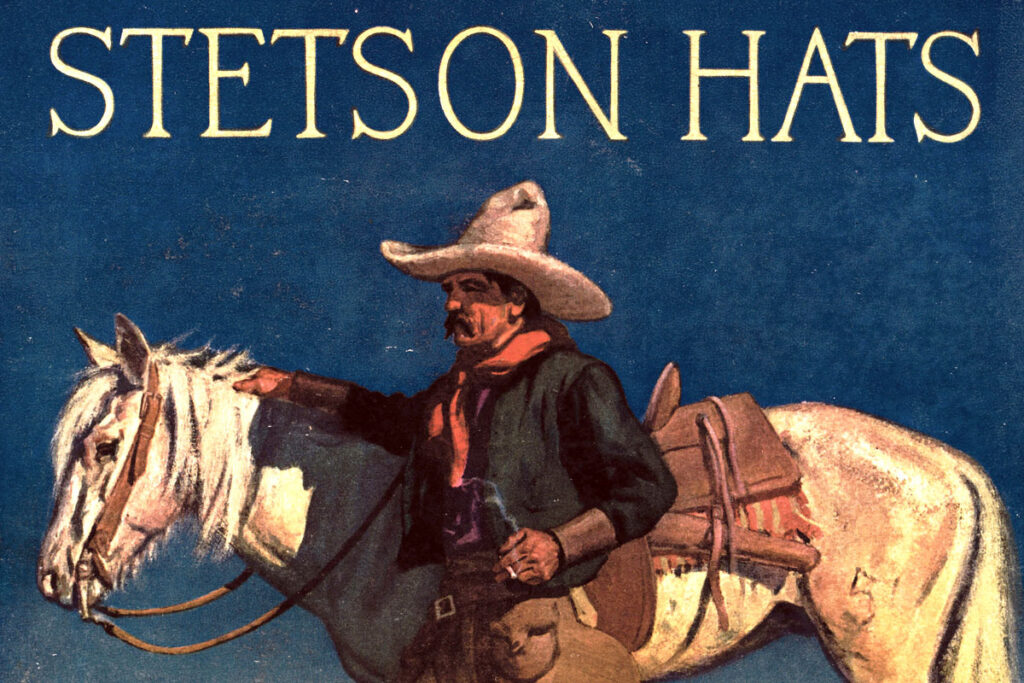
The iconic wide-brimmed Stetson is now inseparable from the image of the cowboy, but it wasn’t always the standard hat of the frontier. John B. Stetson introduced the famed “Boss of the Plains” hat in 1865, and it gradually became associated with Western life. In reality, frontier headwear was far more varied than the popular image suggests.
For much of the 19th century, many actual cowboys, lawmen, and frontier figures wore derby (or bowler) hats. Derby hats had real advantages: They stayed on better in strong wind, handled rough weather well, and were practical on horseback. Many period photographs show working cowboys and lawmen in derby hats rather than the high-crowned cowboy hat silhouette that later became iconic.
Alongside derby hats, men on the American frontier wore flat wool caps, beaver fur-felt hats, Mexican sombreros influenced by vaquero traditions, or even leftover Civil War hats such as kepis. The hats people wore on the frontier often depended on occupation, climate, region, and what they already owned.


