


5 Retro Photos From the Swinging ’60s

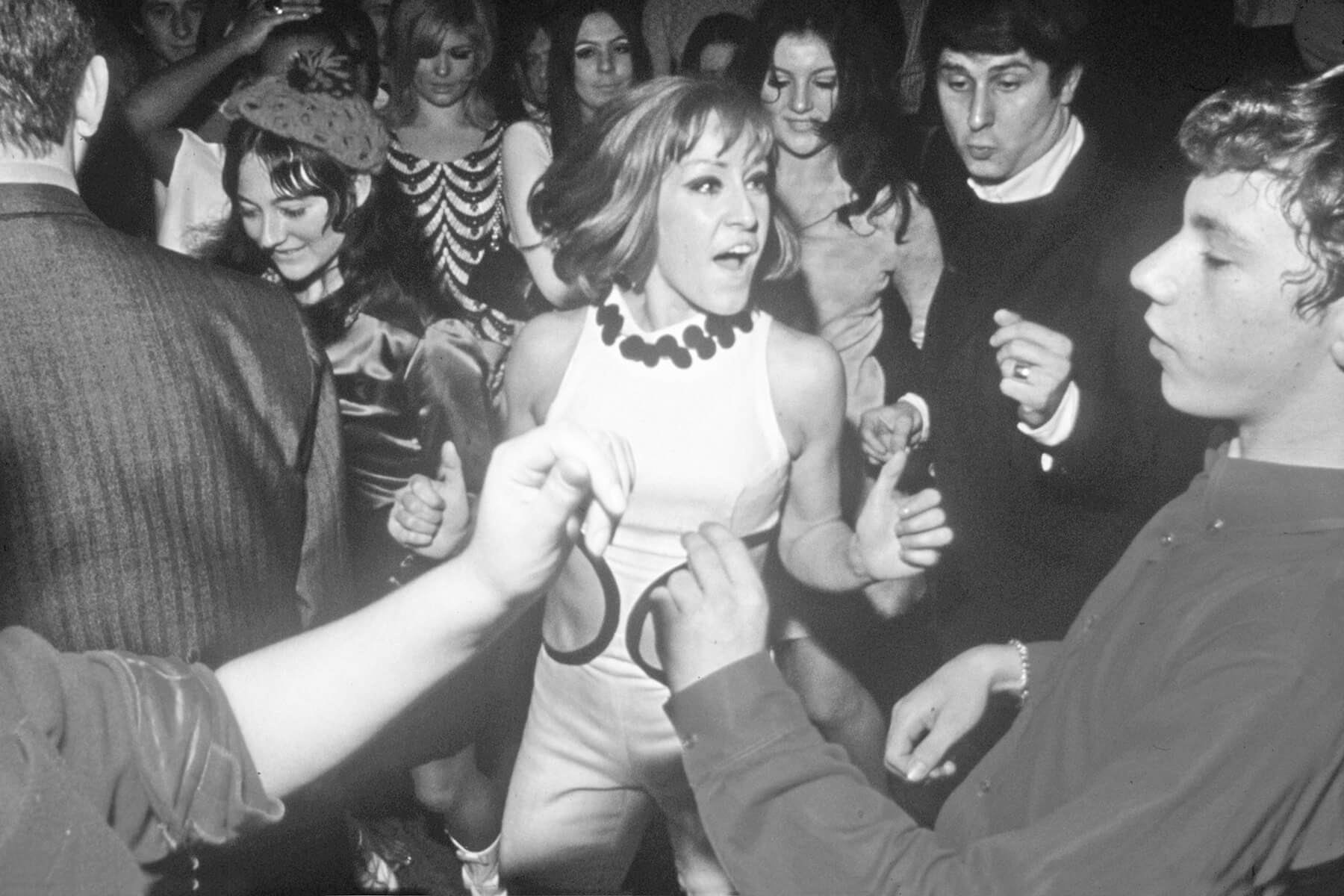
  • Dancers at Cromwellian Club, 1966
Dancers at Cromwellian Club, 1966
Credit: Pictorial Press Ltd / Alamy Stock Photo
Author Nicole Villeneuve

January 16, 2025

Love it?

The Swinging ’60s were a period of whirlwind of change in the United Kingdom — bold, colorful, and bursting with possibility. At the dawn of the decade, Britain was still shaking off the postwar doldrums, with austerity lingering and life defined by staid convention and cautious optimism. But as the country entered an era of economic growth and prosperity, a sense of freedom and opportunity also emerged. By the end of the 1960s, London had transformed into a global hot spot of youth, freedom, and creativity, where music, fashion, and art collided in a cultural revolution that reverberated around the world.

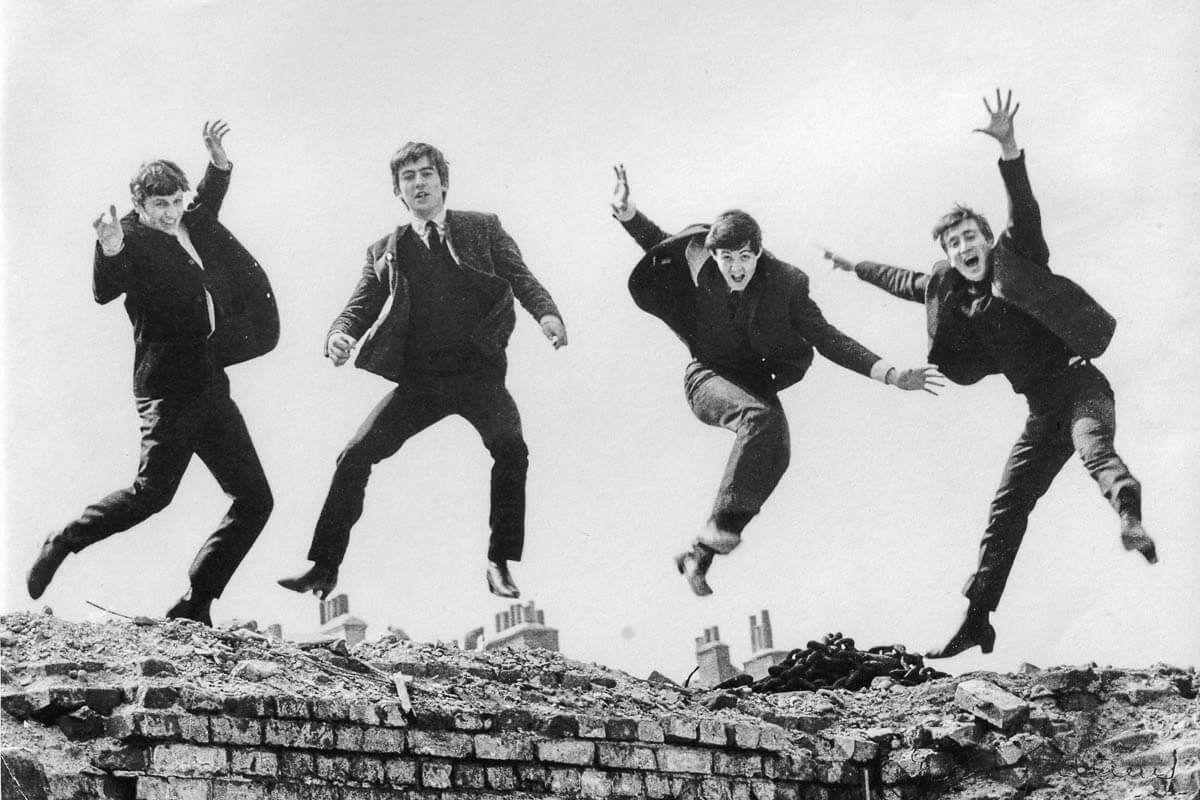
As a generation of young people — resulting from the postwar baby boom — emerged free from war and its looming shadow, they embraced individuality. Not content to follow the old rules, they set out to rewrite them entirely: Music became their driving force, with bands such as the Beatles leading the charge. Fashion transformed too, with Mary Quant’s daring designs embodying the era’s exuberance. London was alive with energy, and the city spent the better part of the decade reinventing itself. Here are five photos from the era that illustrate what it was like to live through the Swinging ’60s.

Credit: Trinity Mirror / Mirrorpix/ Alamy Stock Photo

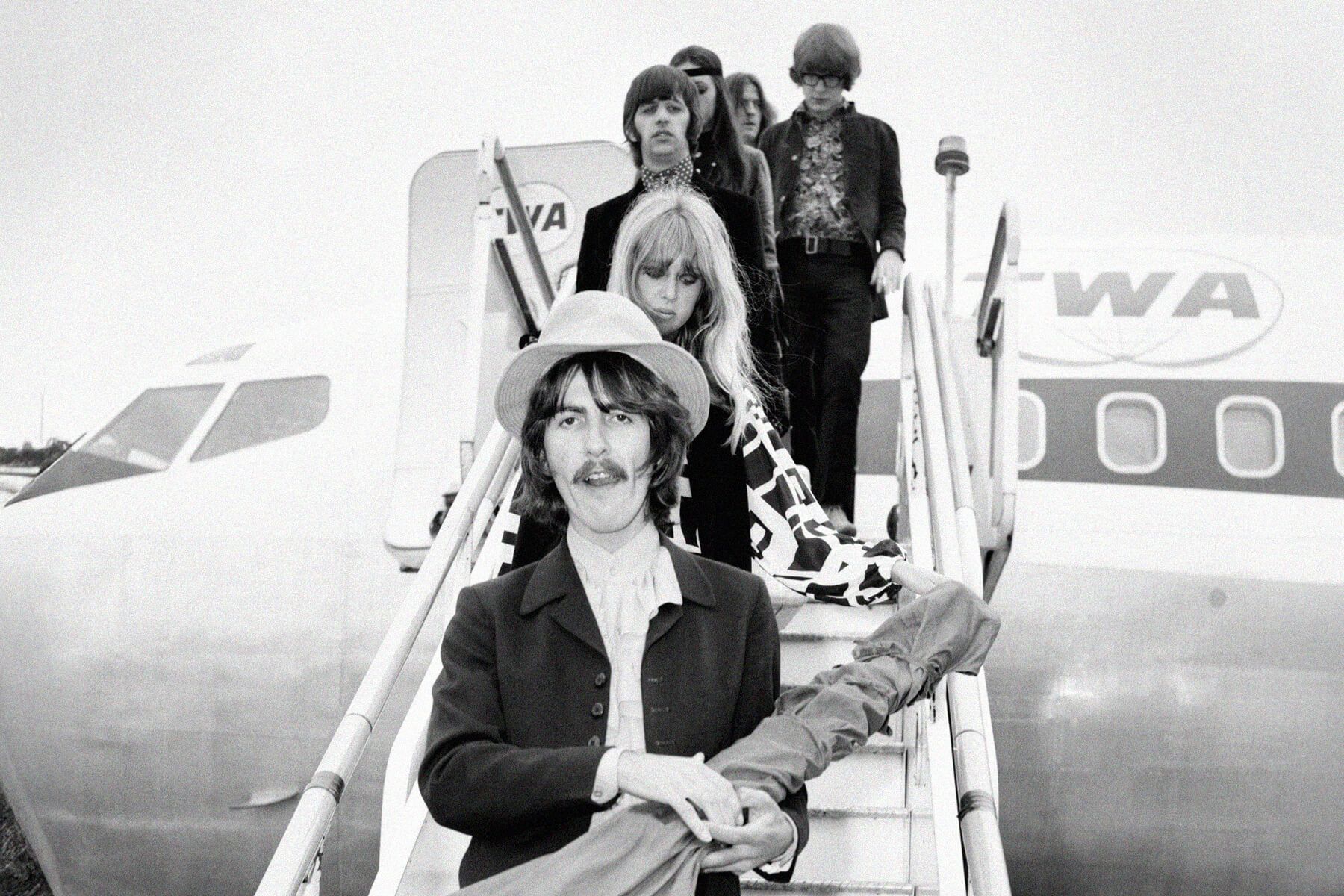
George Harrison’s Sitar (1968)

Few things capture the cultural imprint of 1960s London quite like the Beatles. Their meteoric rise to fame coincided with the youth-driven revolution that defined the era. The Fab Four were more than just a band; they were an unstoppable force that touched everything from fashion to philosophy. The Beatles were known to experiment with new sounds, particularly Eastern influences, and guitarist George Harrison’s introduction of the sitar into their music marked a pivotal moment. 

This photo, taken in June 1968 at Heathrow Airport, shows George and Pattie Harrison, Ringo Starr, Maureen Starkey, and Beatles assistant Mal Evans returning to England from California after Harrison filmed scenes for the Ravi Shankar documentary Raga. Shankar, a renowned Indian composer and musician, was a major influence on Harrison, and Harrison can be seen carrying his own sitar off the plane. Years earlier, in 1965, the Beatles became the first Western rock band to use the sitar on a commercial recording when they released the song “Norwegian Wood (This Bird Has Flown).” It inspired fellow musicians to explore new sonic landscapes, paving the way for the Rolling Stones, Pink Floyd, and others to adopt the psychedelic sound that formed the soundtrack of the Swinging ’60s.

You may also like

What Life Was Really Like in Regency-Era England

  • Regency-era men and women
Regency-era men and women
Credit: Historical Images Archive/ Alamy Stock Photo
Author Rachel Gresh

May 7, 2024

Love it?

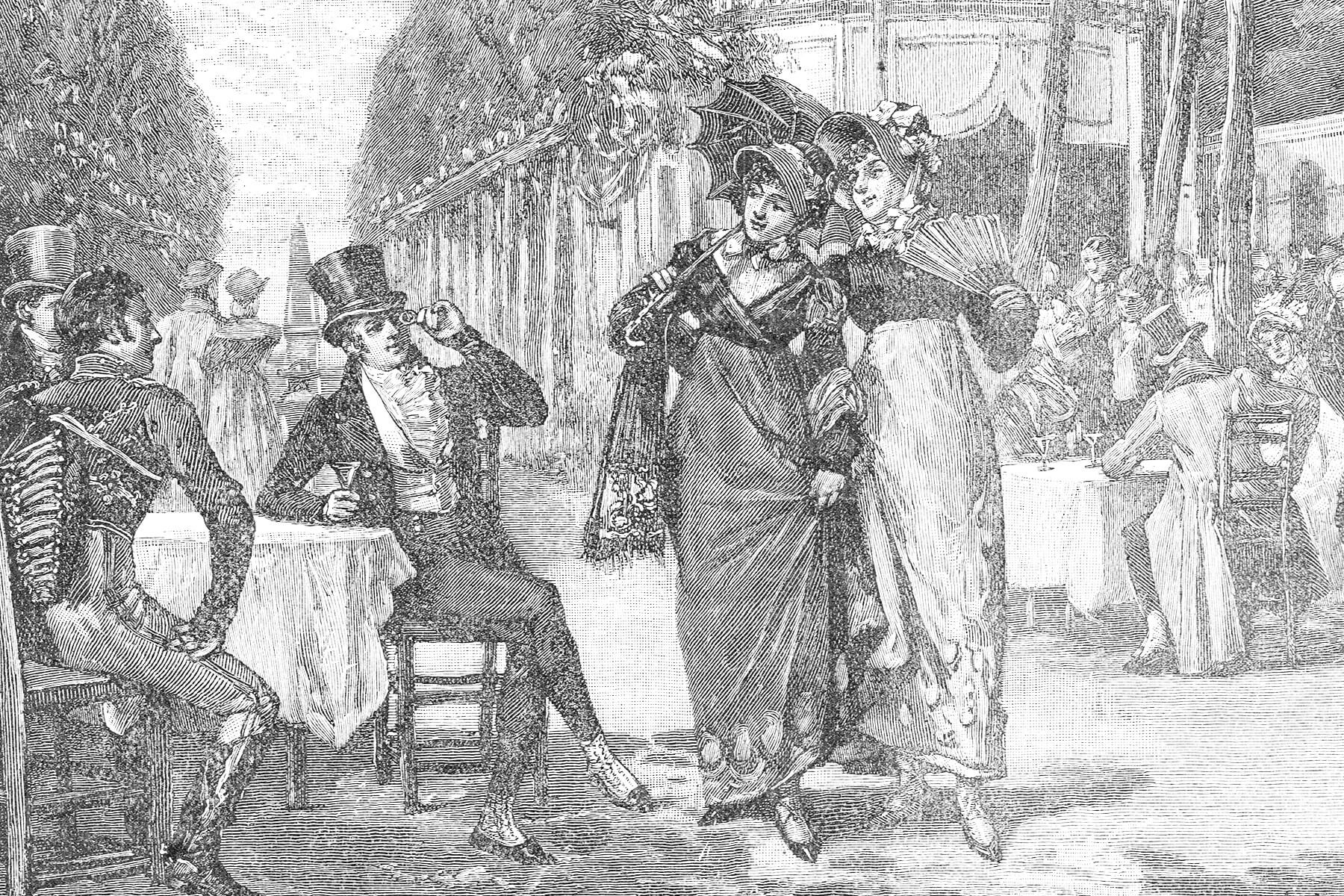
England’s Regency era was one of its most defining. During this time, Jane Austen published her first novels, bare-knuckle boxing was a favorite pastime, and young women carried around tiny portraits of the poet Lord Byron — the original teen heartthrob. The period, which spanned just nine years from 1811 to 1820, is named for its ruler, George Augustus Frederick, Prince of Wales (later King George IV), who was declared prince regent on February 5, 1811. The prince served as regent due to the illness of his father, George III (often referred to as the “Mad King”), before ascending to the throne in 1820 upon the king’s death.

The Regency era is undeniably popular in television and film, but contrary to what is portrayed in the hit Netflix series Bridgerton, life in England during this period went beyond the gossip of the “ton” (the British aristocracy), budding romances, and ornate ballroom parties. The period saw a flourishing of arts and literature and the start of the Industrial Revolution, all while being rocked by the Napoleonic Wars and the aftermath of American independence and the French Revolution. It was a time of great social strife, political changes, war, and technological advancements that permanently altered British society. Here is a snapshot of what life was like during the Regency era.

England Was Perpetually at War

Credit: Hulton Archive via Getty Images

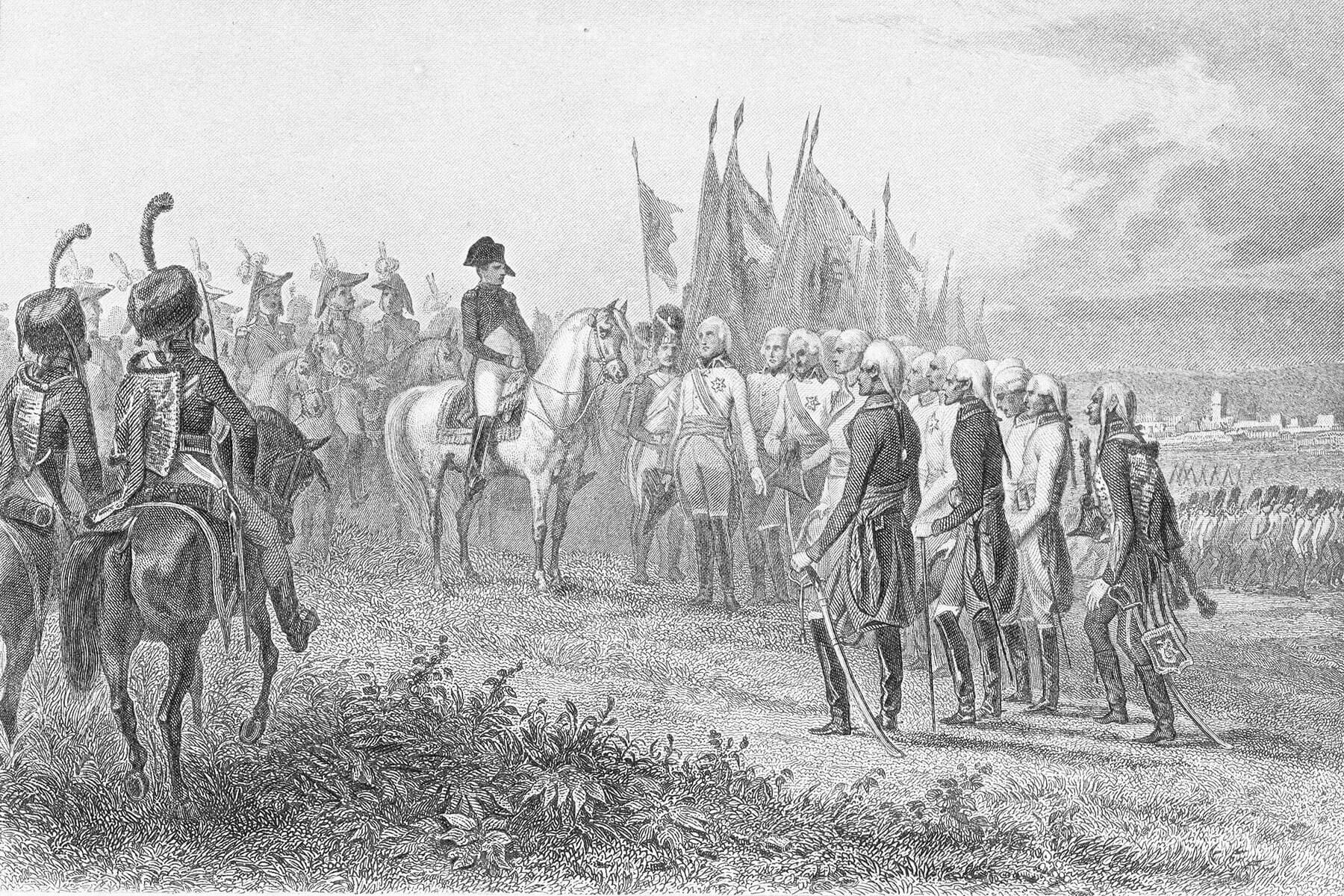
England was embroiled in two major conflicts during the prince regent’s rule. The Napoleonic Wars began in 1799, and although the Duke of Wellington’s Anglo-Allied army ended Napoleon’s reign in June 1815 at the Battle of Waterloo, the British government had spent nearly £1.7 billion on the war effort (roughly $230 billion today)  — an expense mainly shouldered by the British taxpayers. At the same time, England was at war with the newly independent United States yet again over maritime rights in the War of 1812. Along with taking a monetary toll on citizens, the war called many young men into battle. By the end of the Regency era, the British army grew to six times its previous size, to around 250,000 soldiers. 

You may also like

The Titles of British Nobility, Explained

  • U.K throne and flag
U.K throne and flag
Credit: Mustapha GUNNOUNI/ iStock
Author Tony Dunnell

April 10, 2024

Love it?

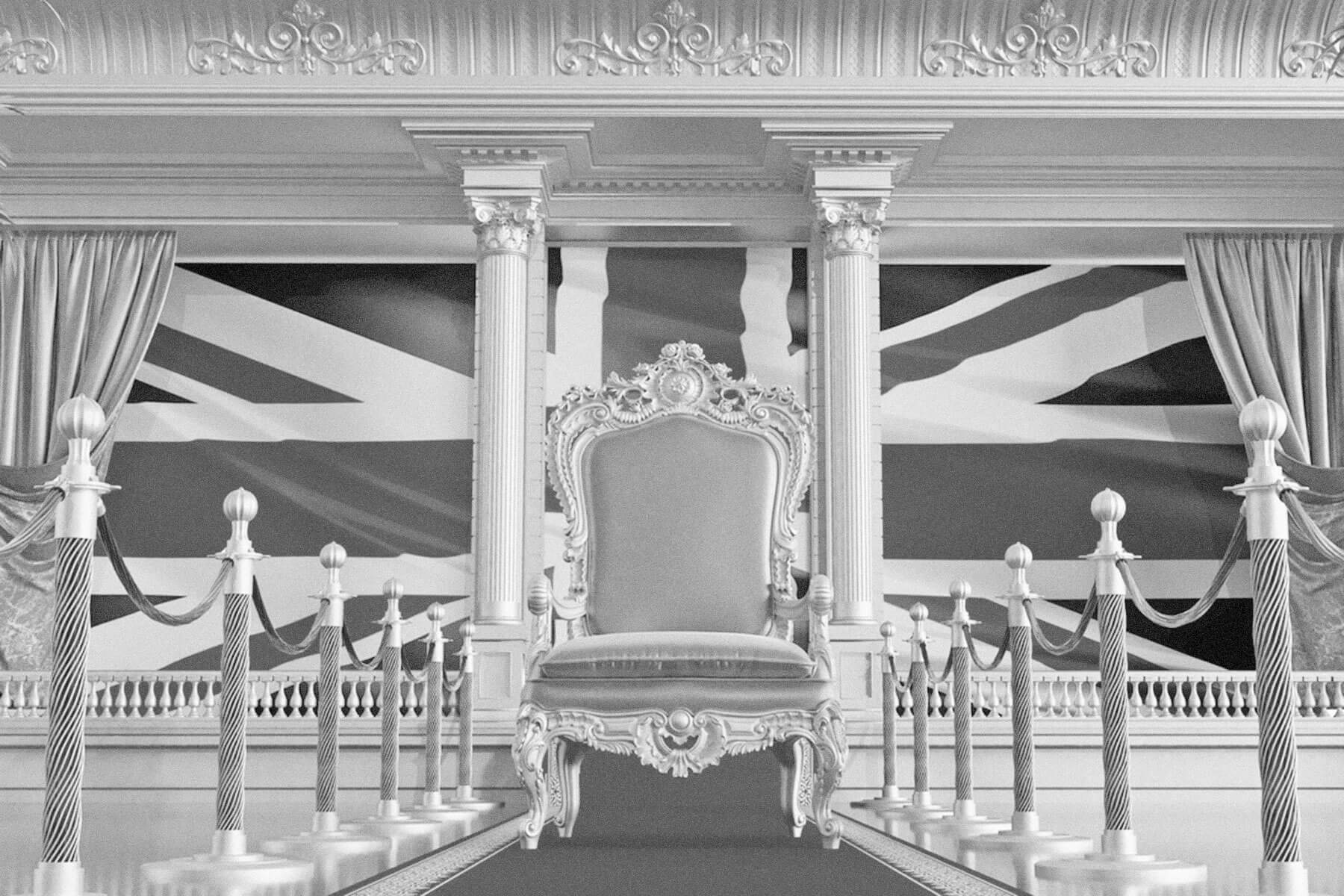
The British nobility is divided into tiers or ranks, known as the peerage. The roots of this hierarchical system date back around a thousand years; it began to gain a defined structure (as with many things in British history) after William I conquered England in 1066. 

The peerage has five ranks: baron, viscount, earl, marquess, and duke, in ascending order. And within each tier, superiority is given to the holder of the oldest peerage. So, for example, the Duke of Devonshire is more senior than the Duke of Marlborough because the former title was created in 1694, eight years before the latter. While many titles are hereditary, it’s important to note that fewer than 90 peerages can be inherited by a female heir (in most cases the title would become extinct if there was no male heir). It’s a subject understandably under scrutiny by activists and some members of Parliament. Peerages are awarded through legal documents known as letters patent, which officially bestow a title in the name of the monarch.

Here is an introduction to the five tiers of peerage, from the lowest rank of baron to the highest title of duke.

Credit: Album / British Library/ Alamy Stock Photo

Baron

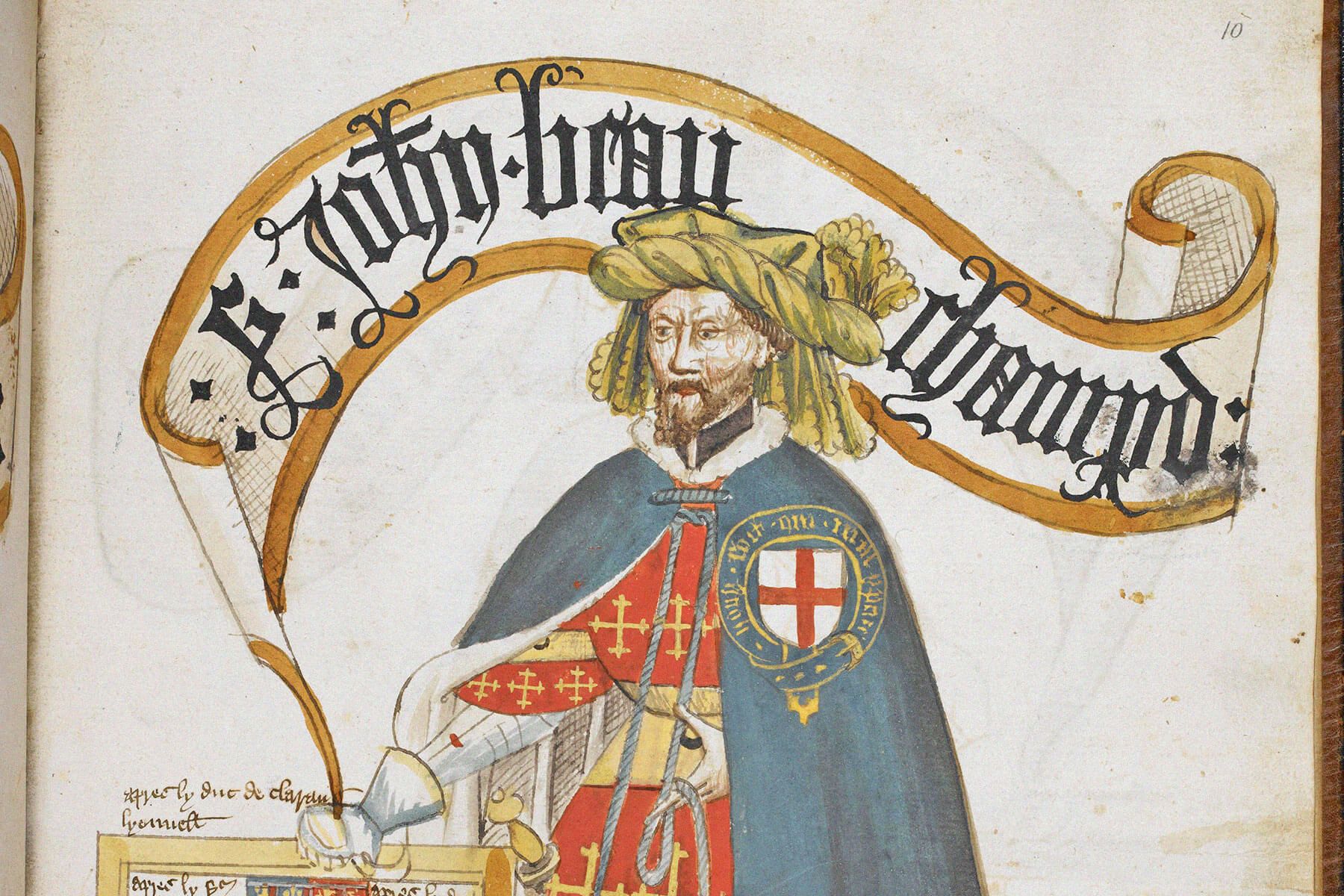
The word “baron” — which possibly came from an Old German word meaning “man” — first appeared in English texts in the 13th century. It became part of the peerage system in 1387, when Richard II created the first formal baron by making John Beauchamp de Holt the Baron of Kidderminster. Further barons were appointed, all of whom were expected, when summoned, to attend council or Parliament. In Scotland, barons are known as Lords of Parliament. If a woman holds the rank, or is the wife of a baron, she is called a baroness. Currently, there are 426 hereditary barons and Lords of Parliament and nine hereditary baronesses and Ladies of Parliament in the United Kingdom — making it the most populated of all five peerage ranks. 

You may also like

6 Inventions That Came Out of the Victorian Era

  • Bike pneumatic tires
Bike pneumatic tires
Print Collector/ Hulton Archive via Getty Images
Author Tony Dunnell

December 14, 2023

Love it?

Queen Victoria ruled Britain from 1837 until her death in 1901. Her reign of 63 years and 216 days was longer than that of any of her predecessors, and was exceeded only by Elizabeth II’s time on the throne. This period, known as the Victorian era, saw the British Empire expand to become the first global industrial power. 

Fueled by the industrial revolution that began the previous century — which reshaped almost every existing sector of human activity — the era saw many breakthroughs in the arts and sciences (perhaps most notably, Charles Darwin’s theory of evolution) as well as great social change and political reforms. And, as people from the countryside began to move to urban industrial hubs in search of work, there was a rise in both education and affluence, further driving the wave of ideas and innovation.

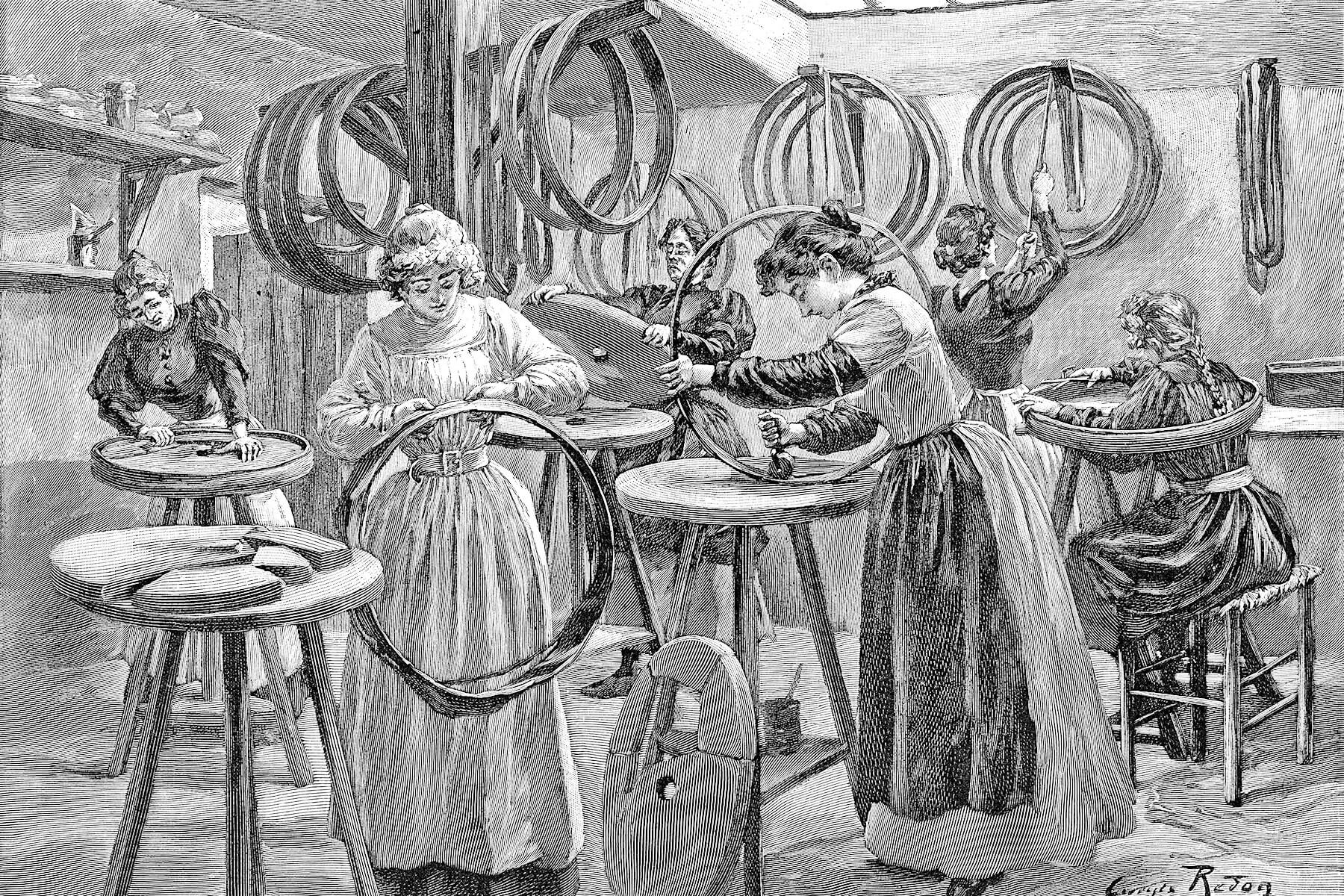
Victorian-era Brits were avid inventors, and many of the creations from this time had a major impact not only in Britain but across the globe. That’s not to say that all Victorian innovations were a hit. The hat cigar holder, ventilating top hat, anti-garroting cravat, reversible trousers, and “corset with expansible busts” all rank among the less successful ideas. These failures, however, were far outweighed by the era’s many influential developments, some of which laid the foundation for our modern age, and are still used every day. Here are some of the greatest innovations of the Victorian era, from the telephone to the electric light bulb. 

Photo credit: Science & Society Picture Library via Getty Images

Telephone

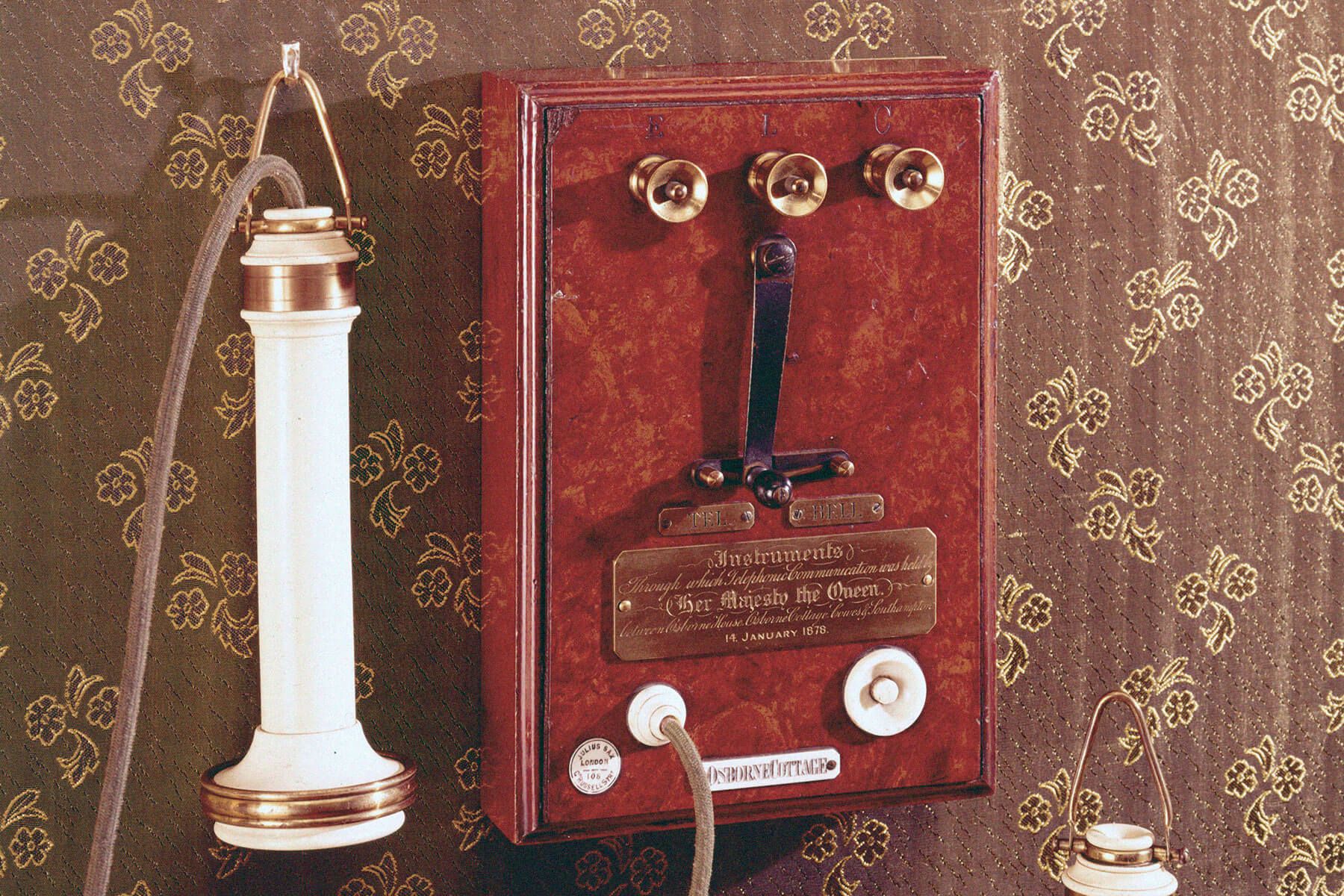
Scottish-born inventor Alexander Graham Bell is considered the father of the telephone, but a degree of controversy remains over who exactly invented the world-changing device. The American electrical engineer Elisha Gray filed a patent on the exact same day as Bell, in Washington, D.C., on February 14, 1876. We’ll never quite know how things played out in the patent office, but Bell’s documents were filed first, and he was awarded the patent on March 7. A few days later, he made the first-ever telephone call. He called his assistant, Thomas Watson, with the now-famous words, “Mr. Watson, come here. I want you.” 

Bell, who had lived in Boston since 1871, was keen to introduce his invention to Britain, where, as a young man, he had received an expansive Victorian education in Scotland and London, and where he first began his experiments in sound. In August 1877, he toured Britain with his wife Mabel (it was supposed to be their honeymoon), promoting his invention as he went. He even  demonstrated the newly invented telephone to Queen Victoria herself, who was so impressed she asked to keep the temporary installation in place.

You may also like

The 6 Wives of Henry VIII

  • Marriage of Henry VIII
Marriage of Henry VIII
Bettmann via Getty Images
Author Kristina Wright

December 14, 2023

Love it?

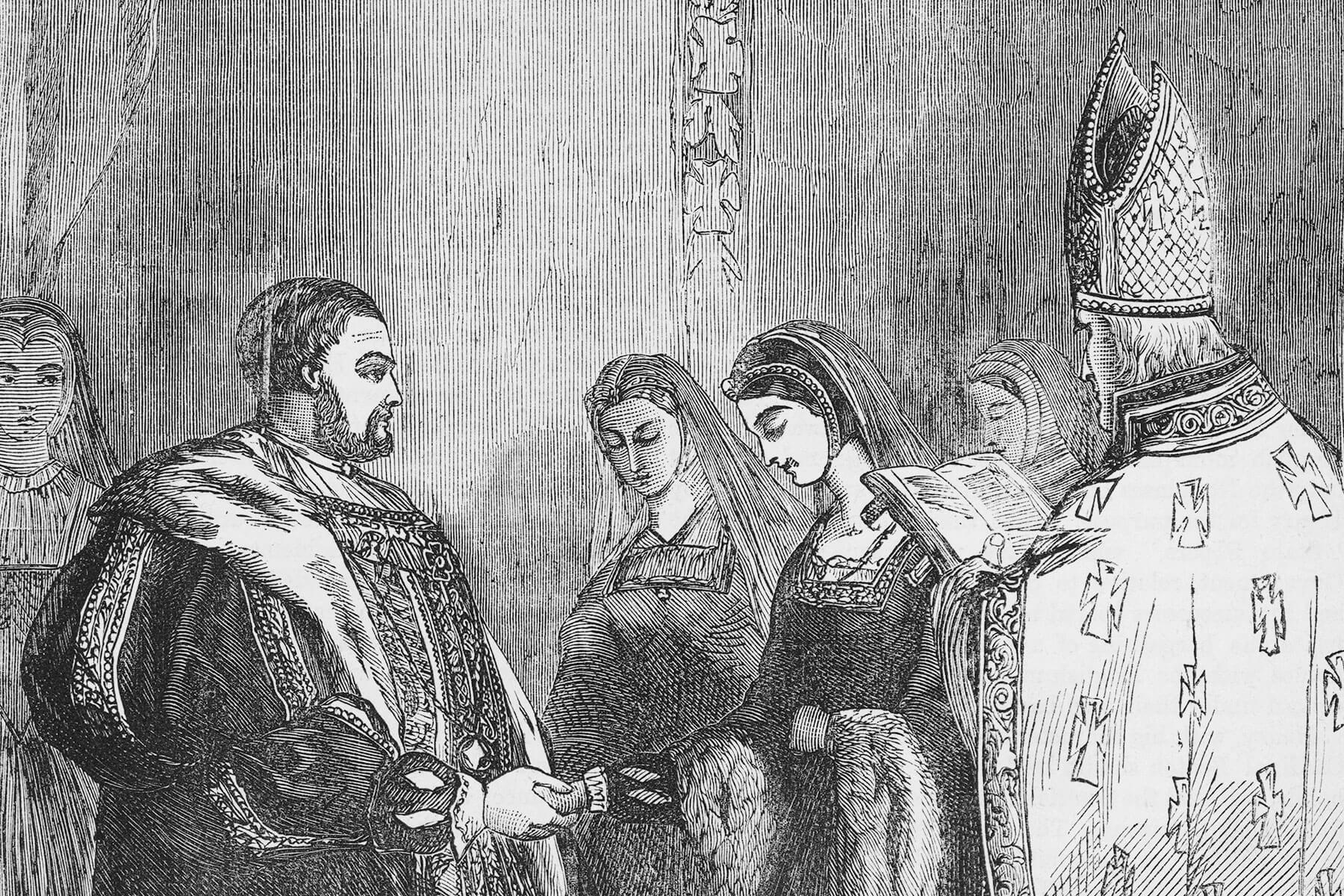
Henry VIII left an indelible mark on British history, though he is remembered as much for his insatiable appetite for women and food as for his shrewd political maneuvers. Born in 1491, Henry ascended the throne at the young age of 17, succeeding his father, Henry VII. His youth was marked by interests in the arts, sports, and education, making him the embodiment of a Renaissance man, as well as a promising and charismatic ruler. It was the monarch’s matrimonial escapades, however, that came to define his legacy.

Henry’s reign, spanning from 1509 to 1547, was characterized by a series of tumultuous marriages entwined in Tudor politics. You may be familiar with the old rhyme, “Divorced, beheaded, died, divorced, beheaded, survived,” but here’s a closer look at the six women who became the wives of Henry VIII.

Photo credit: Print Collector/ Hulton Fine Art Collection via Getty Images

Catherine of Aragon (queen consort: 1509-1533) 

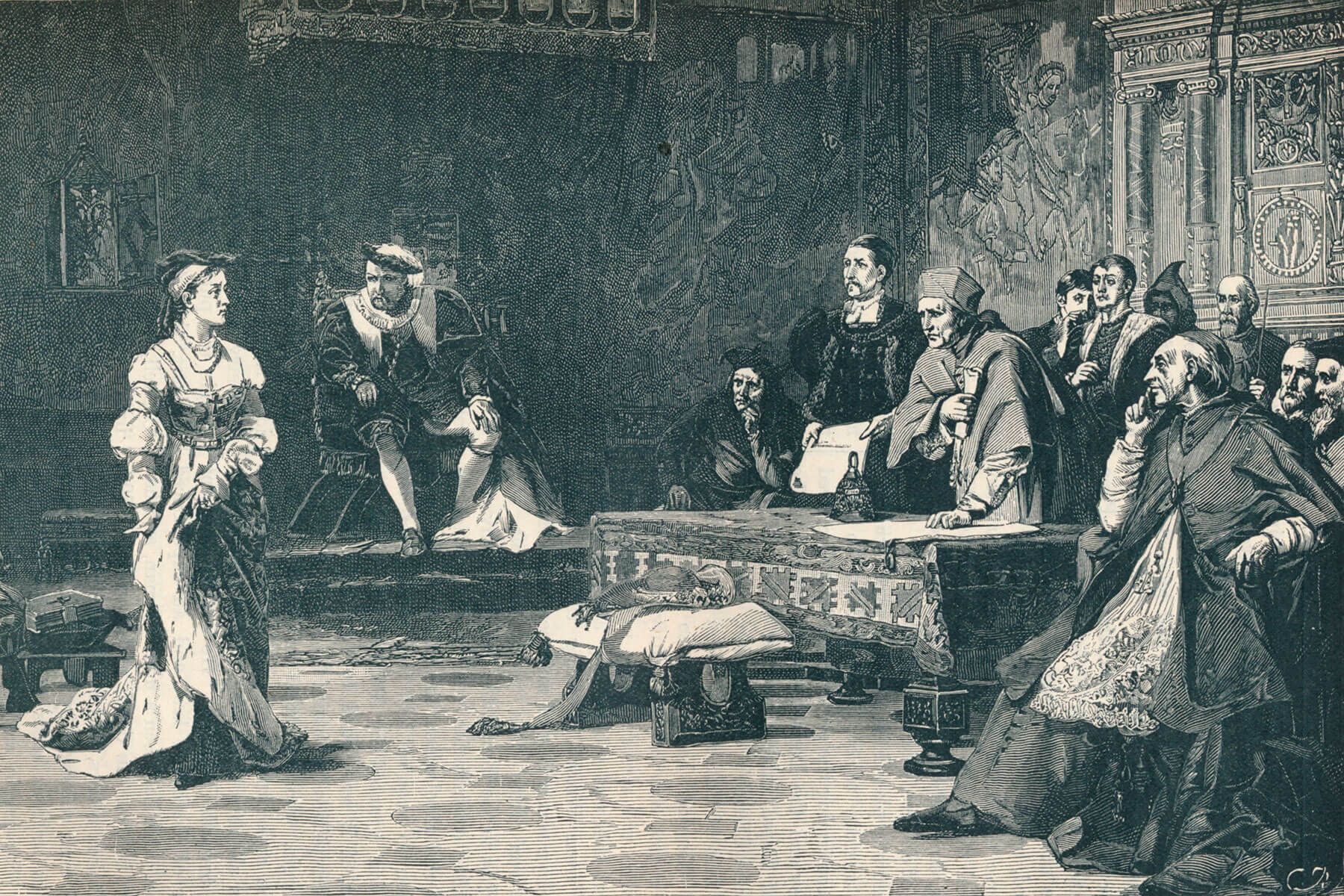
Henry VIII had been on the throne for only a few weeks when he married Catherine of Aragon. The daughter of Spanish rulers Ferdinand and Isabella, Catherine was six years older than Henry and was seen as a good match for the young monarch. Beautiful, well educated, and devoted to Henry, Catherine was also the king’s sister-in-law, having married his older brother Arthur in 1501, only to be widowed five months later at the age of 16. Her marriage to Henry lasted 24 years, but ended in divorce.

By all accounts, Henry had loved Catherine, but when she failed to give him a male heir, he asked Pope Clement VII to declare their marriage invalid, asserting that her marriage to Arthur made their union illegitimate in the eyes of God. When the pope refused, Henry divorced Catherine so he could marry his pregnant mistress (and Catherine’s lady-in-waiting), the French-educated Anne Boleyn, setting in motion his break from the Catholic Church and the establishment of the Church of England. Despite being divorced, dismissed from court, and kept from her only living child, Mary, Catherine’s devotion to Henry lasted until her death by cancer in 1536. The last line of the last letter she wrote him read, “Lastly, I make this vow, that mine eyes desire you above all things.”

You may also like

5 Facts About England’s Elizabethan Era

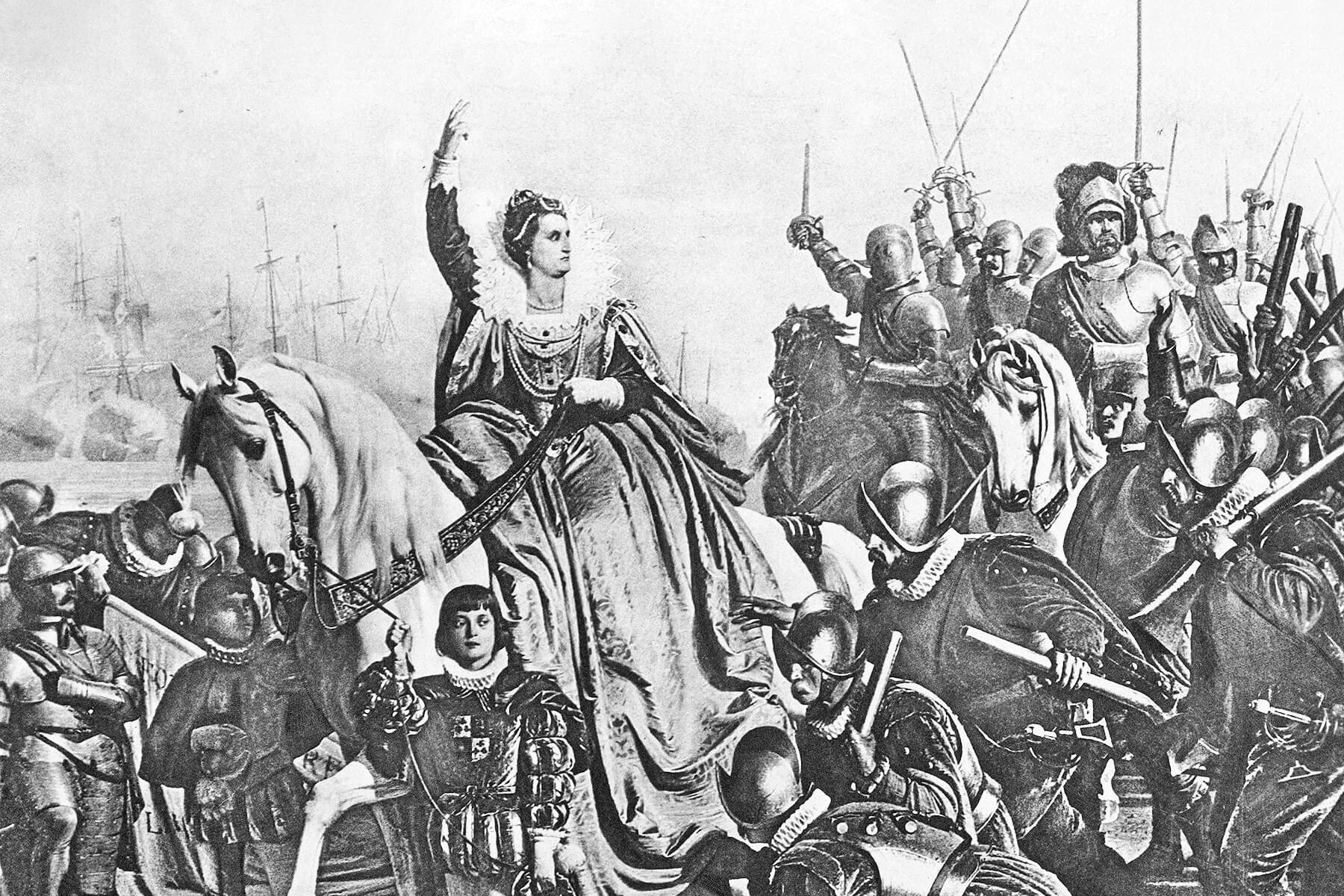
  • Elizabeth at Tilbury
Elizabeth at Tilbury
ullstein bild Dtl via Getty Images
Author Adam Levine

July 25, 2023

Love it?

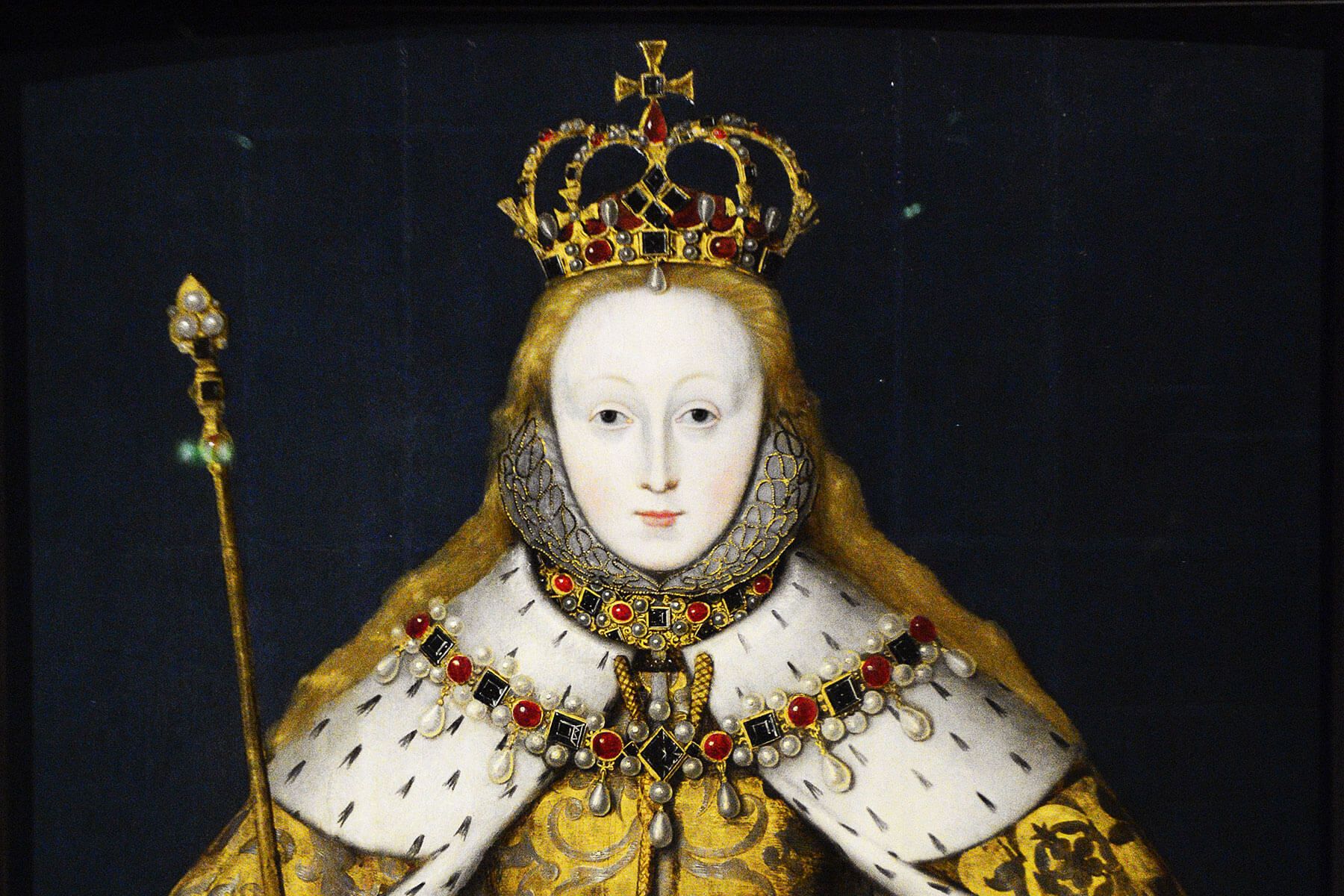
In 1558, Elizabeth Tudor assumed the throne of England and Ireland and began her reign as Queen Elizabeth I. From the moment she was crowned, Elizabeth was an unconventional ruler. She was only the second queen in England’s history to reign as the sole head of state, which made her a rarity not only in her own country, but throughout Europe in an era in which female monarchs were few and far between. Her lifelong refusal to marry also broke with tradition, and earned her the nickname “the Virgin Queen” (the state of Virginia is named in her honor). As a Protestant monarch, Elizabeth also had to withstand multiple assassination attempts from radical Catholic factions throughout her reign. Yet despite the challenges she faced, her reign is considered a golden age of English history. 

Elizabeth’s rule lasted until 1603, and was marked by a period of relative peace and progress, during which England experienced radical cultural and political transformations that continue to resonate today. Elizabeth ruled over a nation that saw the early plays of William Shakespeare and some of Europe’s first expeditions to the Americas. Yet her time on the throne was also marked by moments of political and military crisis. For a quick look at what made this period of history truly unique, here are five facts about England’s Elizabethan age.

Photo credit: Robert Alexander/ Archive Photos via Getty Images

Elizabeth’s Coronation Date Was Chosen Based on Astrology

Queen Elizabeth I was crowned on January 15, 1559, a date selected by one man: John Dee. Dee was an influential figure at court, and was well known as a mathematician and philosopher. But his interests also veered into the supernatural and occult, and he was known to dabble in astrology and numerology. His prophecy skills must have come highly recommended, because Elizabeth asked him to use an astrological reading to select the date of her coronation, believing that an auspicious date would bring her good fortune during her reign.

Photo credit: Universal History Archive/ Universal Images Group via Getty Images

The Era Marked the Beginning of British Colonialism in the New World

During the Elizabethan age, England took the first steps toward transforming from a small island nation into a global empire. British navigators made some of the first voyages to the New World during Elizabeth’s reign, and explorer Francis Drake’s voyages to the Americas gave England its first territorial claim in the Americas. Upon his return, Drake was knighted by Elizabeth herself on board his ship the Golden Hind. 

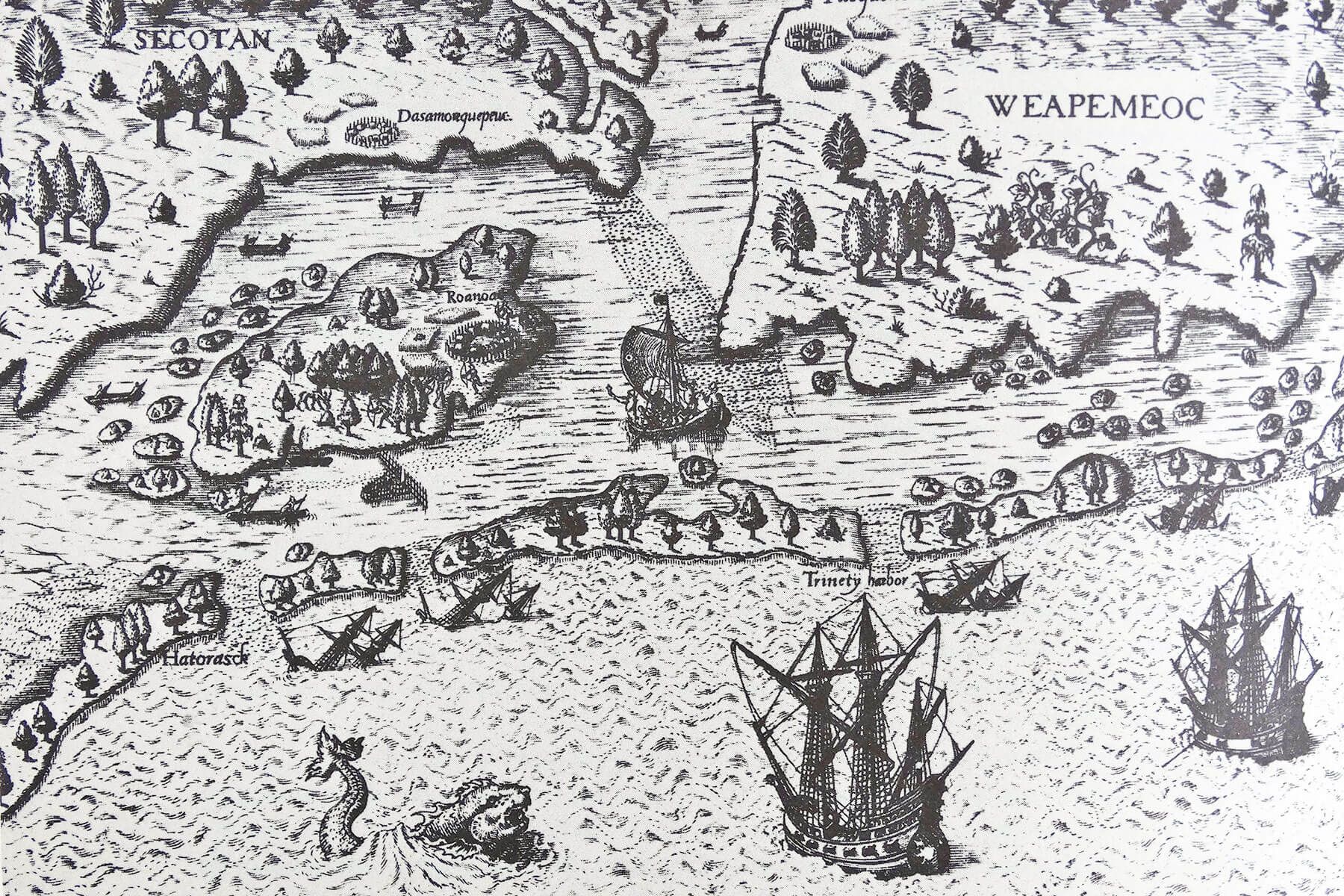
The queen also oversaw the establishment of England’s first colonies in the New World. The explorer Humphrey Gilbert claimed Newfoundland for Elizabeth, and Walter Raleigh established a British colony on the island of Roanoke near North Carolina. These early settlements marked the beginning of an era of colonial expansion that gave rise to the mighty British Empire, which at its peak in 1920 covered over 13 million square miles and was the largest empire the world has ever seen.

You may also like

5 Fab Facts About Music’s British Invasion

  • The Beatles
The Beatles
Fiona Adams/ Redferns via Getty Images
Author Kristina Wright

July 19, 2023

Love it?

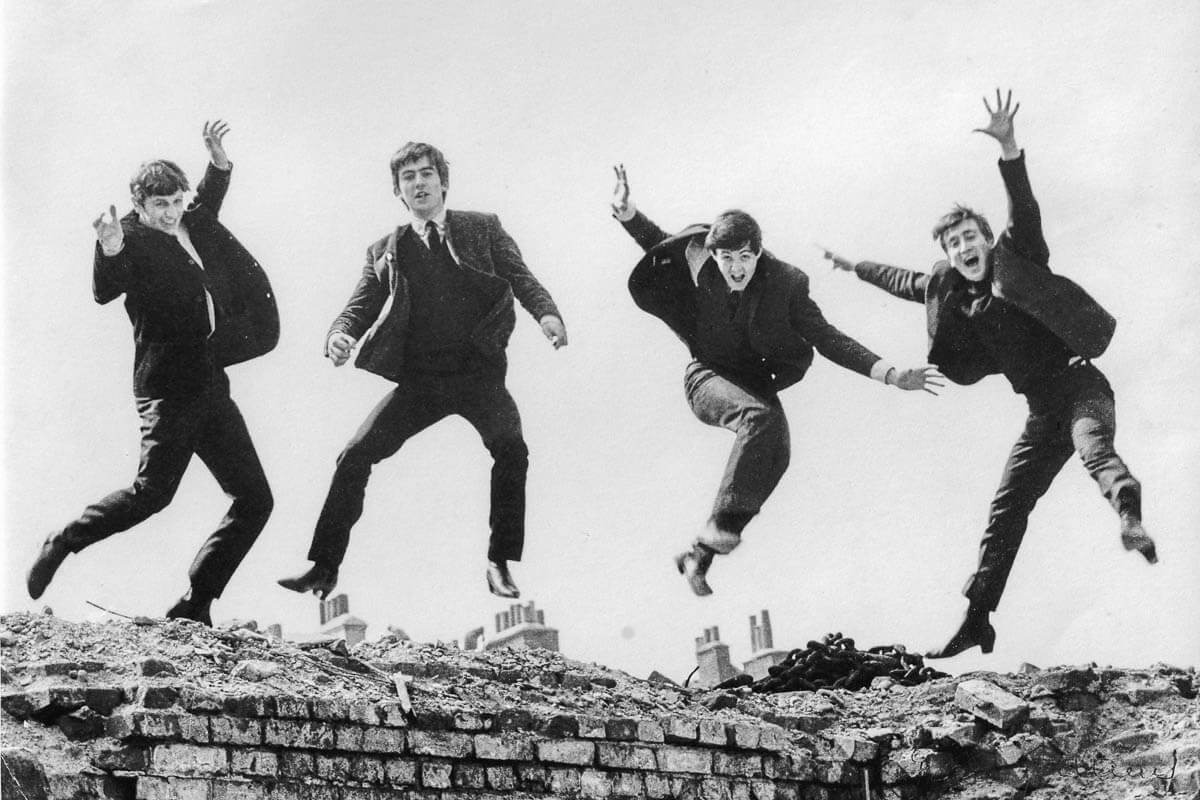
On February 7, 1964, the Beatles made their first visit to the United States, prompting Walter Cronkite to quip, “The British invasion this time goes by the code name ‘Beatlemania.’” The band was already popular in the U.K., but their instant appeal to audiences in the U.S. was unlike anything anyone had seen before; thousands of screaming teenagers met the Beatles’ plane at New York’s Kennedy Airport and thousands more were waiting for them to arrive at the Plaza Hotel. Not even Elvis Presley had generated that level of uninhibited euphoria, and it left people, especially the parents of all of those starstruck teens, curious about the shaggy-haired young men who were taking over the airwaves.

Before 1964, only two British singles had ever topped Billboard’s Hot 100 chart, and both of them were instrumentals. The Beatles’ popularity paved the way for many of Britain’s hottest acts to follow, from the Rolling Stones to the Who, ushering in a new musical era dominated by British performers. Here are five fun facts about the Fab Four and the musical phenomenon known as the British Invasion.

Photo credit: Fiona Adams/ Redferns via Getty Images

Beatlemania Provided a Diversion to a Nation in Mourning

In February 1963, Chicago DJ Dick Biondi became the first disc jockey to introduce U.S. listeners to the Beatles when he played “Please Please Me,” the band’s first U.S. single. The song was picked up by other radio stations, but it was months before the Fab Four caught on in America. On the morning of November 22, 1963, CBS News aired a story about the Beatles’ popularity in England, but the segment on the band slotted for that evening was shelved when President John F. Kennedy was assassinated later that day. 

A few weeks later, Walter Cronkite decided the country could use a break from their collective grief and decided to finally air the Beatles story. Marsha Albert, a 15-year-old girl from the suburbs of Washington, D.C., saw the segment and wrote to WWDC radio to request they play more of the band’s music. Disc jockey Carroll James had also seen the report, got a copy of the track “I Want to Hold Your Hand,” and invited Albert to come to the studio to introduce the song on December 17. Radio stations in other major markets followed suit, and Capitol Records, which had been planning to release the single in January, decided to rush-release it on December 26. The label originally planned for 200,000 copies to be pressed, but that jumped to 1 million — all of which were sold by January 10, 1964. Beatlemania had taken hold in the U.S. and the British Invasion was on its way.

You may also like

7 Facts About the Life and Reign of Queen Victoria

  • Queen Victoria’s family
Queen Victoria's family
Bettmann via Getty Images
Author Kristina Wright

July 18, 2023

Love it?

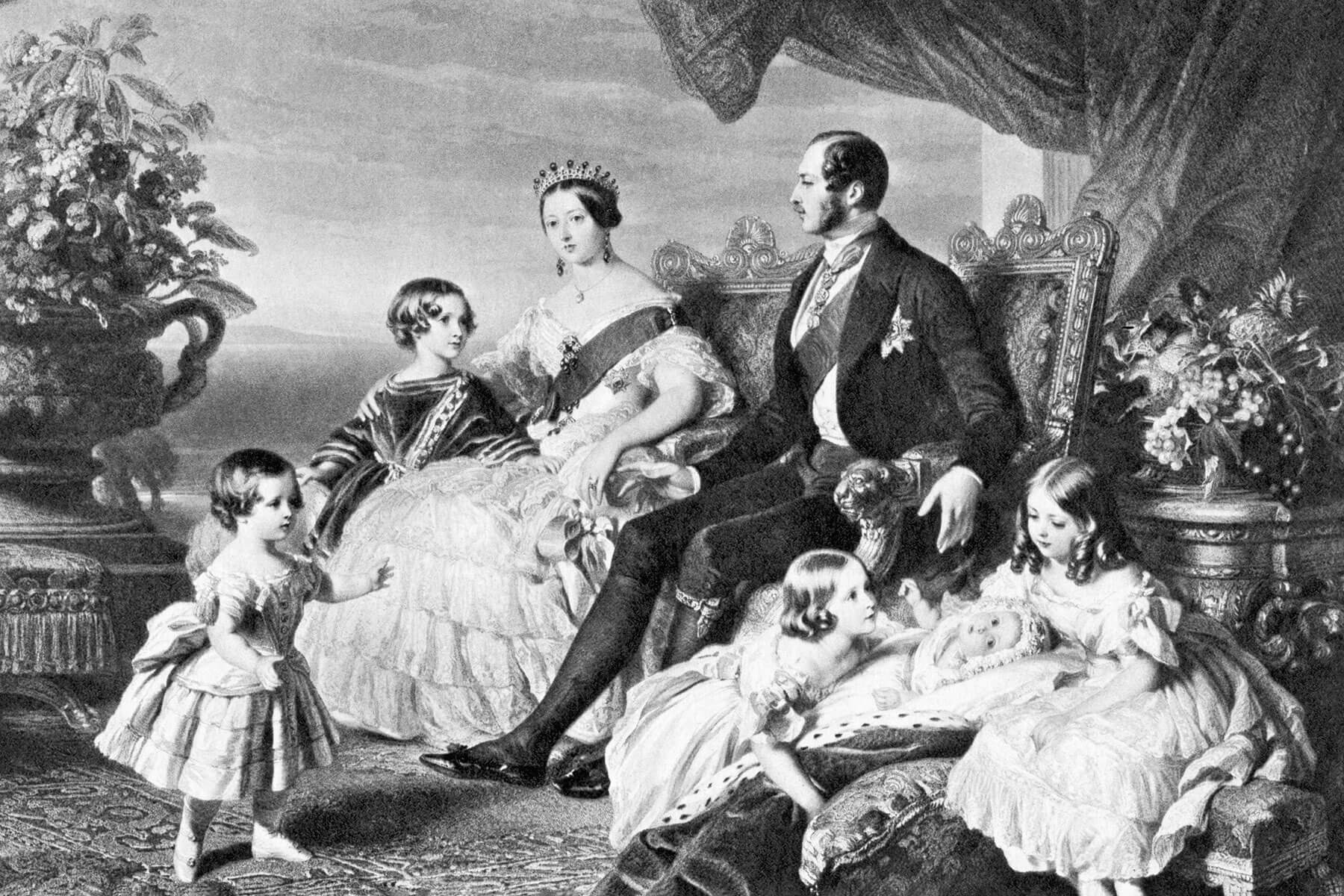
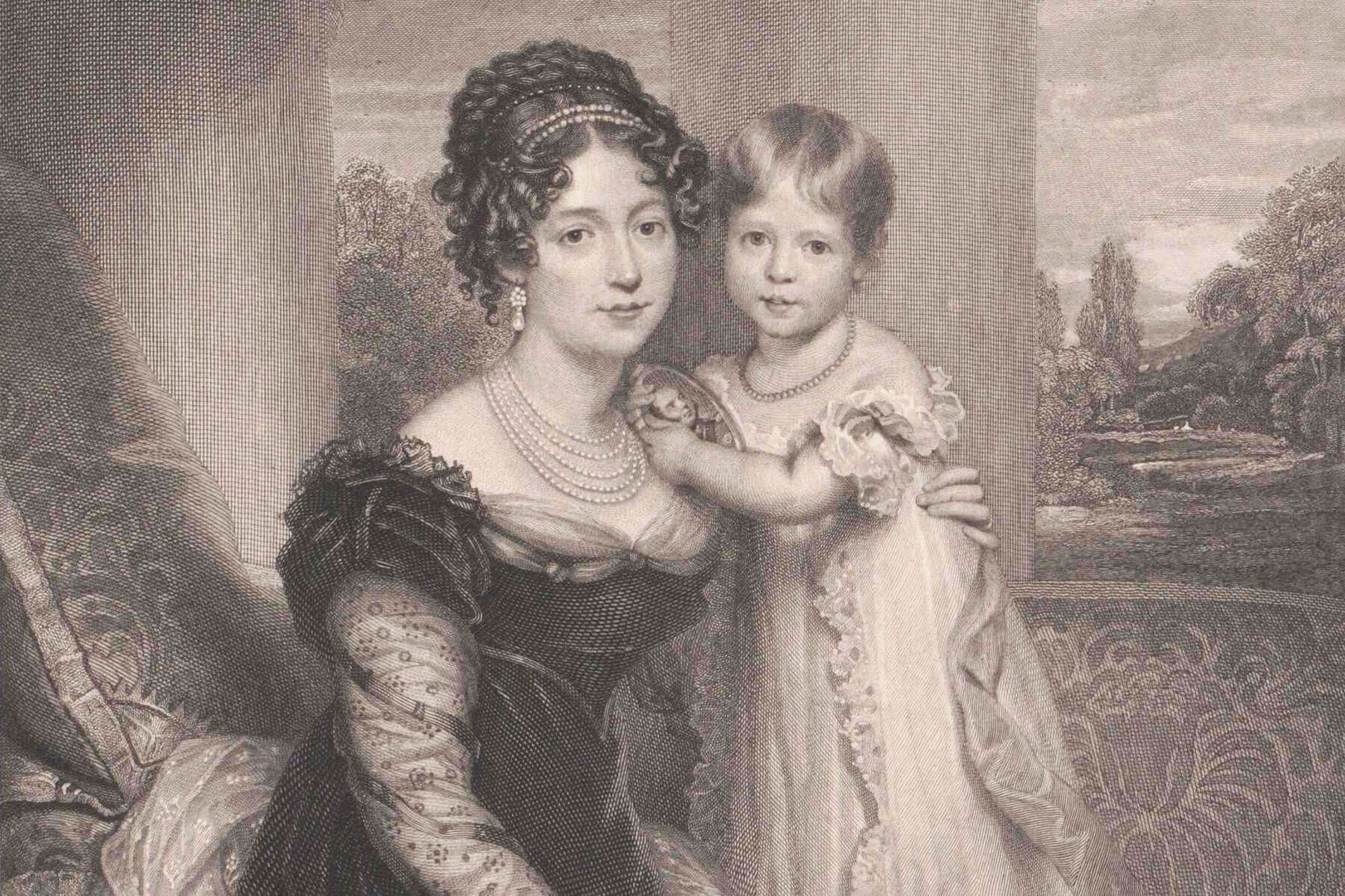
Few royal monarchs hold as much fascination as England’s Queen Victoria. Her lengthy reign and complex legacy left such a lasting mark on Britain and the world that the era still bears her name. At her birth on May 24, 1819, Princess Alexandrina Victoria of Kent was only fifth in line to the throne. She was never expected to be queen, but fate had other plans for young “Drina.” Victoria ascended the throne on June 20, 1837, less than a month after her 18th birthday, and ruled for more than 63 years — longer than any British monarch except for her great-great-granddaughter Queen Elizabeth II.

During her rule, the diminutive Queen Victoria developed a reputation as a strong-willed and outspoken sovereign committed to expanding and strengthening the British Empire. She oversaw a time of unprecedented industrial expansion, political reform, and social change in England, but her time on the throne was also marked by aggressive colonization. Britain’s imperial reach nearly doubled during Victoria’s reign, until some 25% of the world’s population owed their allegiance to her. Here are seven fascinating facts about the life of the monarch known as the “grandmother of Europe.”

Photo credit: INTERFOTO/ Alamy Stock Photo

Victoria Was Delivered by a Woman Doctor

At a time when female doctors were rare, Victoria’s mother, Princess Victoria of Saxe-Coburg-Saalfeld, chose to have a woman deliver her baby, rather than a male royal doctor. In some historical resources, Charlotte Heidenreich von Siebold is referred to as a midwife or nurse, but she was formally educated in gynecology and obstetrics and received a doctoral degree in obstetrics from the University of Giessen in 1817. Madam Siebold, as she was called, delivered the future queen at Kensington Palace on May 24, 1819. Three months later, on August 26, 1819, von Siebold delivered Victoria’s first cousin, Prince Albert of Saxe-Coburg-Gotha, at Schloss Rosenau castle near Coburg, Germany.

You may also like

5 Strange Traditions of the British Monarchy
  • Swan-upping in 1951
Swan-upping in 1951
Photo credit: Fox Photos / Hulton Archive via Getty Images
Author Tony Dunnell

June 12, 2023

Love it?

Britain is a nation of many strange old traditions, from cheese rolling and wife carrying to mayor weighing and possibly the world’s most brutal ball game. Then there’s the British royal family, an almost endless source of quirky behavior and bizarre rituals. Some of these are well known, at least among Brits, such as the use of the majestic plural, better known as the “royal we” (Queen Elizabeth II often used “we” to refer to herself), and the monarch’s custom of having two birthdays. Other odd traditions of the British royals are less well known, despite having existed for centuries. Here are some of the strangest, involving everything from swans to ravens to parliamentary hostages. 
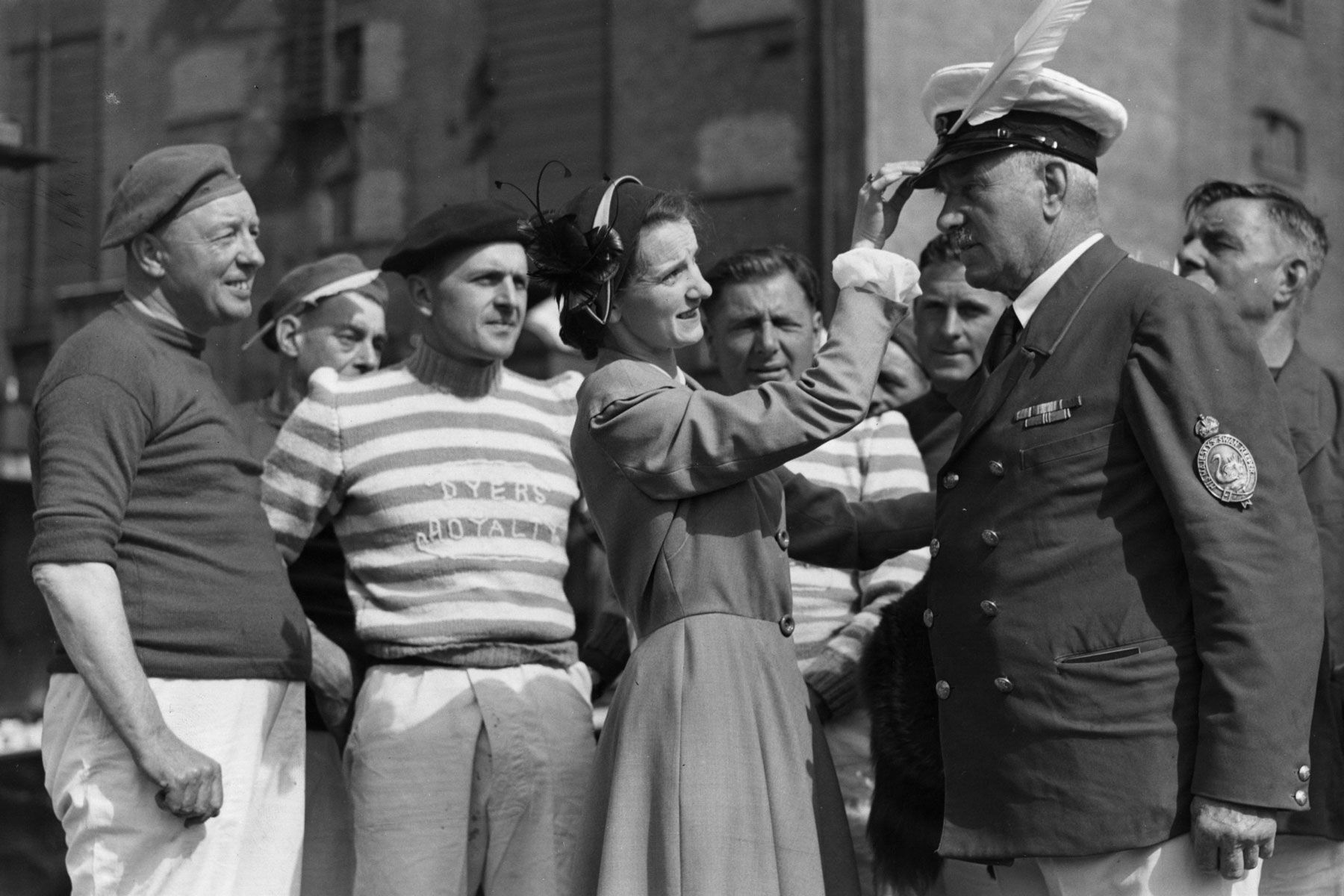
Photo credit: Fox Photos / Stringer via Getty Images

Swans Are Ceremonially Counted on the River Thames

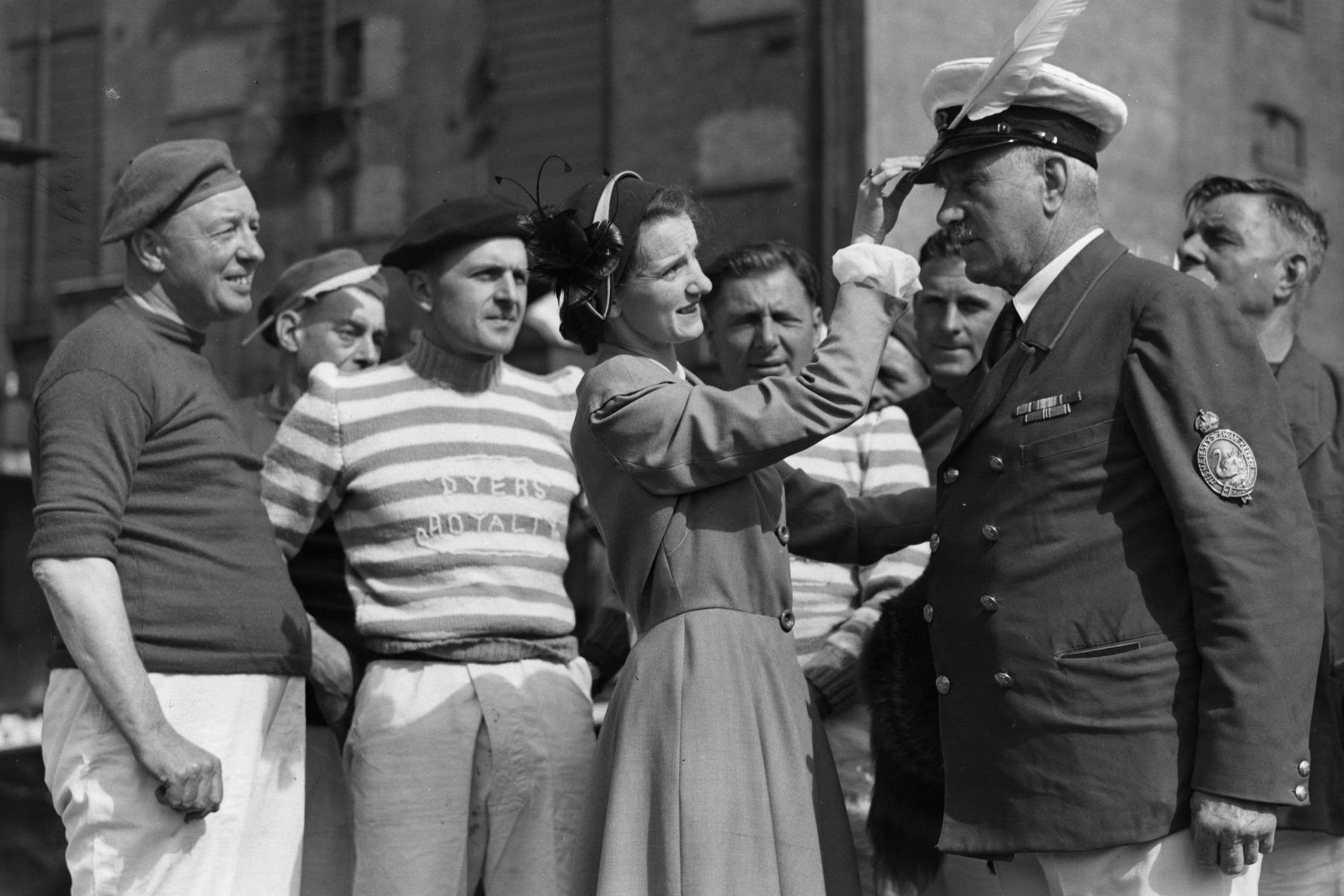
Since medieval times, the British monarch has had certain rights when it comes to the country’s swans. “The king has the right to claim any swan swimming in open waters, unmarked, if he so wishes,” explained David Barber, who served as Queen Elizabeth II’s swan marker (an actual position in the royal household that dates back to the 12th century). To this day, an annual census of the swans takes place on a stretch of the River Thames. The five-day journey upriver, known as “swan upping,” features a fleet of traditional rowing skiffs, led by the swan marker. The royals once considered swans a delicacy, but swan upping is now focused on conservation and education rather than any culinary considerations. 

You may also like

6 Shocking ‘Scientific’ Beliefs From Victorian England

  • Telepathy
Telepathy
Photo credit: Public Domain/ Wellcome Collection
Author Adam Levine

June 12, 2023

Love it?

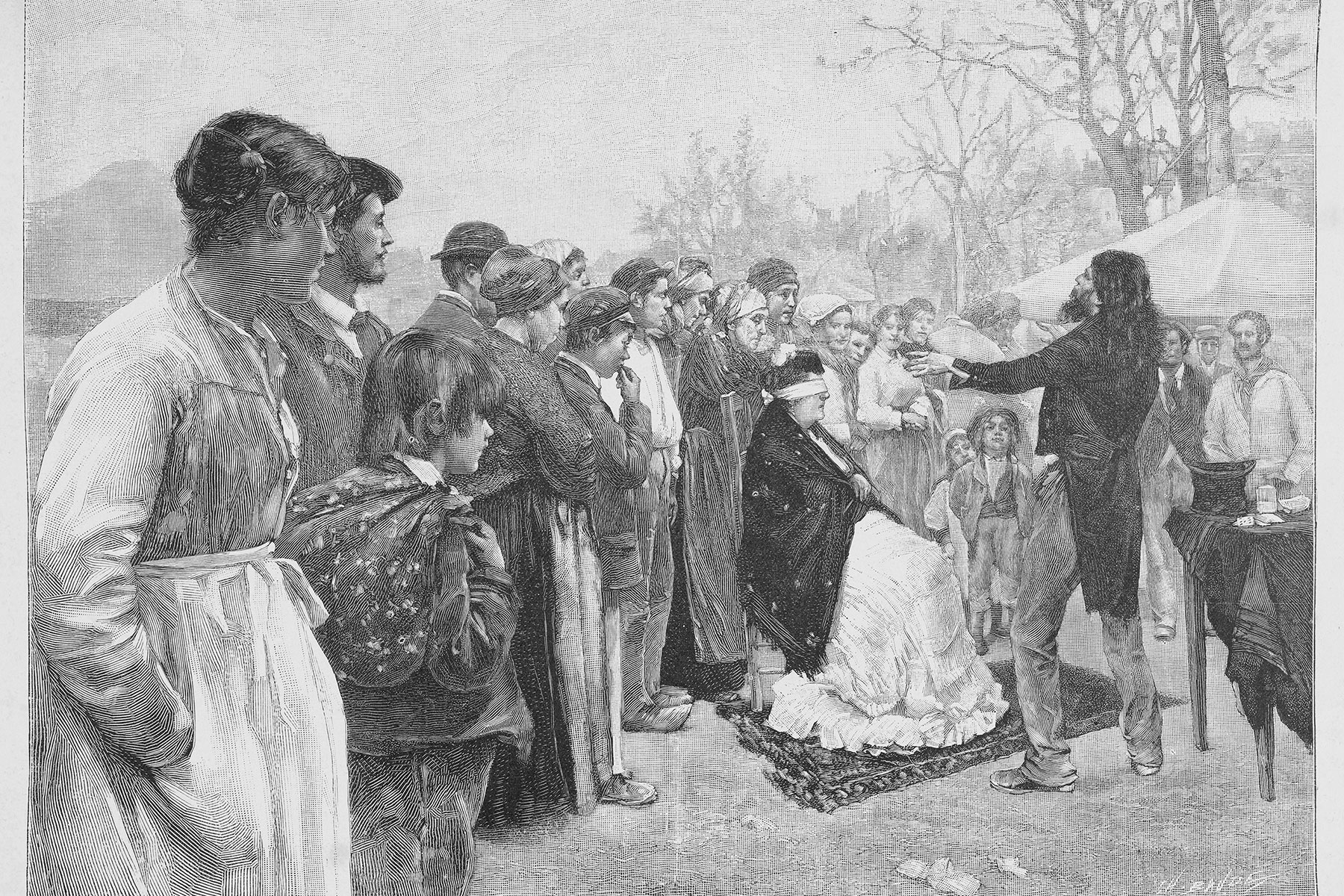
Britain’s Victorian era — defined by the reign of Queen Victoria, from 1837 to 1901 — was a time of great scientific discovery. In this period, Charles Darwin’s theory of natural selection laid the groundwork for evolutionary science and all of modern biology, while Scottish physicist James Clerk Maxwell’s theory of electromagnetism set the stage for the discoveries of Albert Einstein and other great physicists of the 20th century. But the Victorian age was also marked by some scientific beliefs that were, shall we say, a bit less theoretically sound. In fact, some of the commonly held beliefs of this time are downright shocking in the context of our modern understanding of the world. Here are six Victorian-era “scientific” beliefs that were more than a little off the mark.

Photo credit: Public Domain/ photo by Nadar/ Wellcome Collection

Diseases Were Caused By Bad Smells

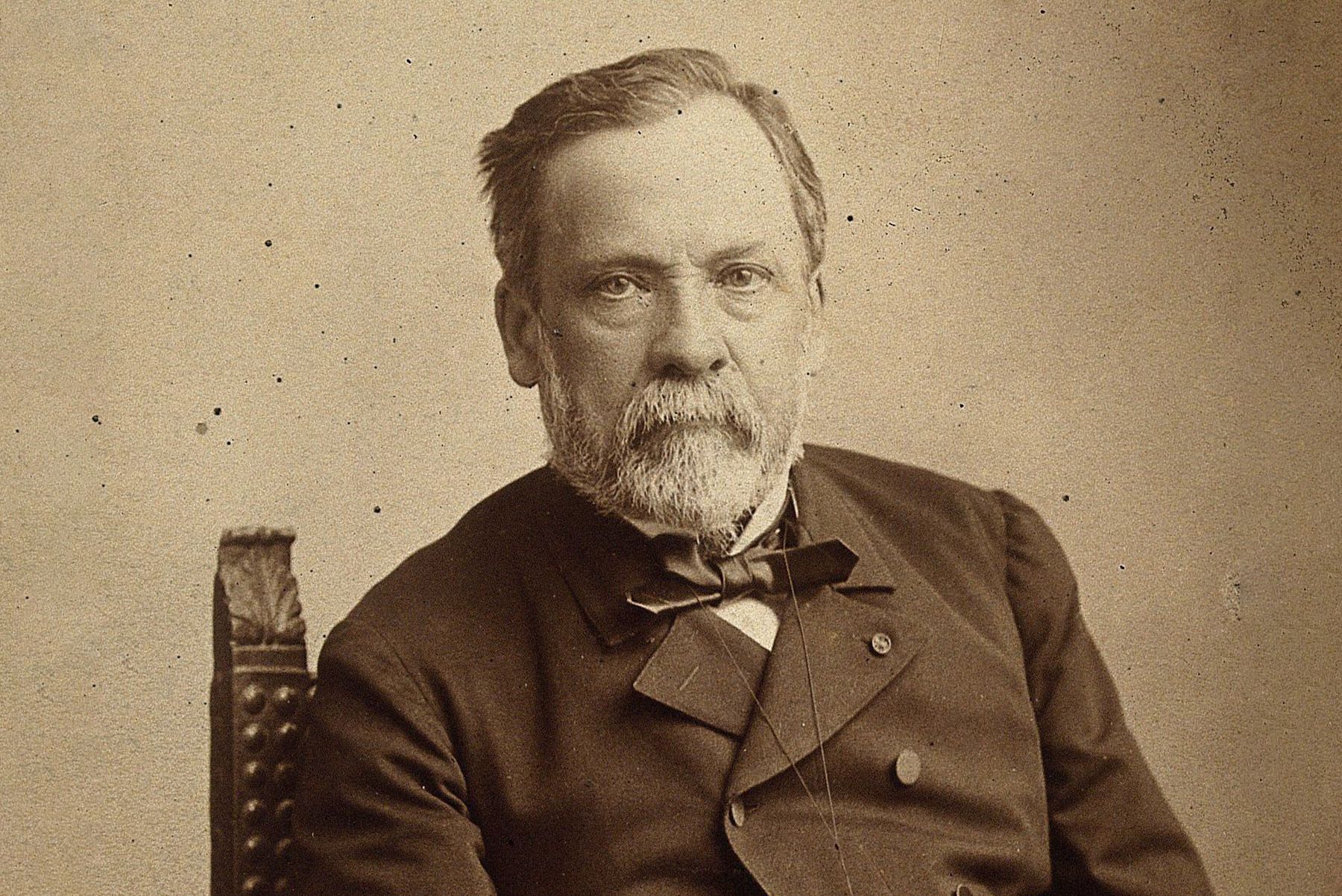
Before people had a firm grasp of germ theory, the conventional belief among everyday people and scientists alike was that diseases were caused by foul odors, or noxious “miasma,” that were emitted from rotting organic matter and traveled through the air to cause infections. Disease-prevention measures in Victorian England often took the form of eliminating bad smells rather than treating contaminated water for pathogens. Miasma theory was gradually replaced with germ theory as the dominant scientific explanation for illness around the 1870s, when scientists such as Louis Pasteur and Robert Koch provided experimental evidence that microorganisms — and not the unpleasant odors they produced — were responsible for infectious diseases.

You may also like