




New York City once had miles of hidden underground mail tubes.
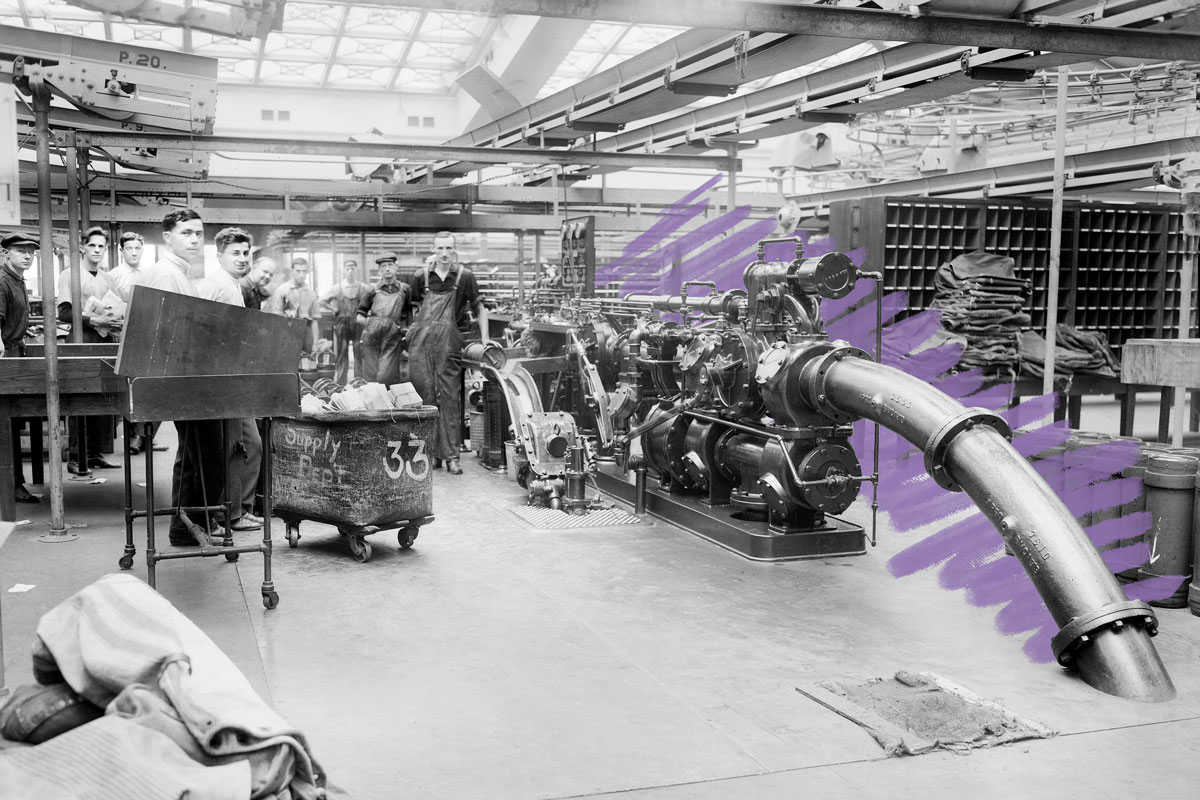
In October 1897, construction of a high-speed network designed to service an ever-expanding city was underway beneath the streets of Manhattan. No, it wasn’t the subway; that would take a few more years. This was a pneumatic tube mail system, developed using engineering principles that dated back more than two centuries and had already been put to the test with working models in London, Paris, and Philadelphia.
Built by the Tubular Dispatch Company and leased to the U.S. Post Office Department, the New York City system was powered by rotary blowers and air compressors that shot steel mail-carrying canisters through cast-iron tubes at speeds of approximately 30 mph. The tubes were largely installed between 4 and 6 feet underground, with a noticeable outlier following the length of the Brooklyn Bridge, while the canisters they supported measured approximately 2 feet long by 8 inches in diameter. The network eventually connected 23 post offices through 27 miles of tubing, its early success paving the way for systems in Boston, Chicago, and St. Louis.
As one might suspect, a canister would occasionally get stuck, shutting down that particular pathway until it could physically be removed. But a bigger problem was the exorbitant costs that came with the endeavor, an issue that became more pronounced as the network continued circulating the same volume of mail even as the need for a larger, faster system increased with the growing population. Postmaster General Arthur Summerfield finally put the kibosh on New York City’s mail tubes in late 1953, reasoning that the addition of two trucks would be just as effective and far cheaper to maintain, and this once-futuristic service was left to become a hallmark of the city’s past.


