



Graham crackers were invented to promote moral purity.
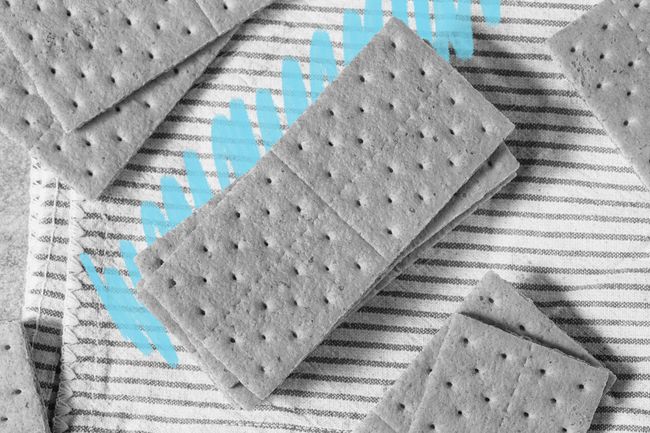
Graham crackers are best known today as the crunchy, sweet bookends of gooey s’mores or the crumbly base of a classic cheesecake. So it may seem unlikely that they were originally made with a decidedly less indulgent pursuit in mind: steering people away from temptation.
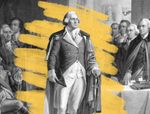
The cracker takes its name from Sylvester Graham, a Connecticut-born Presbyterian minister and influential 19th-century health reformer. Like many reformers of his era, Graham saw physical, moral, and spiritual health as deeply interconnected, and he believed that consuming certain ingredients could corrupt one’s character. He was particularly wary of alcohol, refined flour and sugar, meat, and spices, which he believed overstimulated the body and encouraged lust and other supposedly sinful impulses.
Instead, Graham advocated for a simple, plant-based diet built around fresh fruits and vegetables, plain water, and coarsely ground whole-wheat flour for baking. In 1829, he put these principles into practice with what came to be called the graham cracker, a plain, unsweetened biscuit made with his preferred unrefined flour (also known as Graham flour) and water — a far cry from today’s sweeter, cookie-like version of the snack.
After Graham’s death in 1851, commercial bakers began adapting his bare-bones cracker for wider appeal. In 1898, the National Biscuit Company (now known as Nabisco) began mass-producing graham crackers, and in 1925, it introduced Honey Maid graham crackers, a much sweeter take on Graham’s austere original concept.


