




Why Were Old Cars So Long?
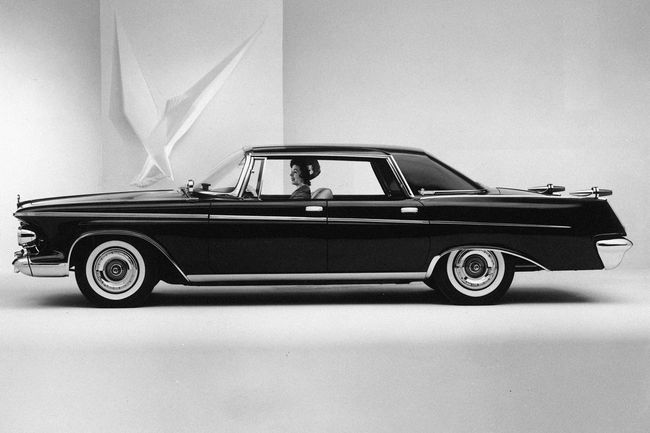
With their extravagant proportions, some old cars look like they were designed for a world without parallel parking. Indeed, the enormous American sedans of the 1950s through the mid-1970s belong to a particular chapter in automotive history, when manufacturers competed to make cars longer, wider, and lower-slung.
These dimensions reflected a combination of consumer tastes, economic conditions, and deliberate design choices. And when circumstances changed, those supersized automobiles began to shrink — at least for a while.
Don’t Be Square
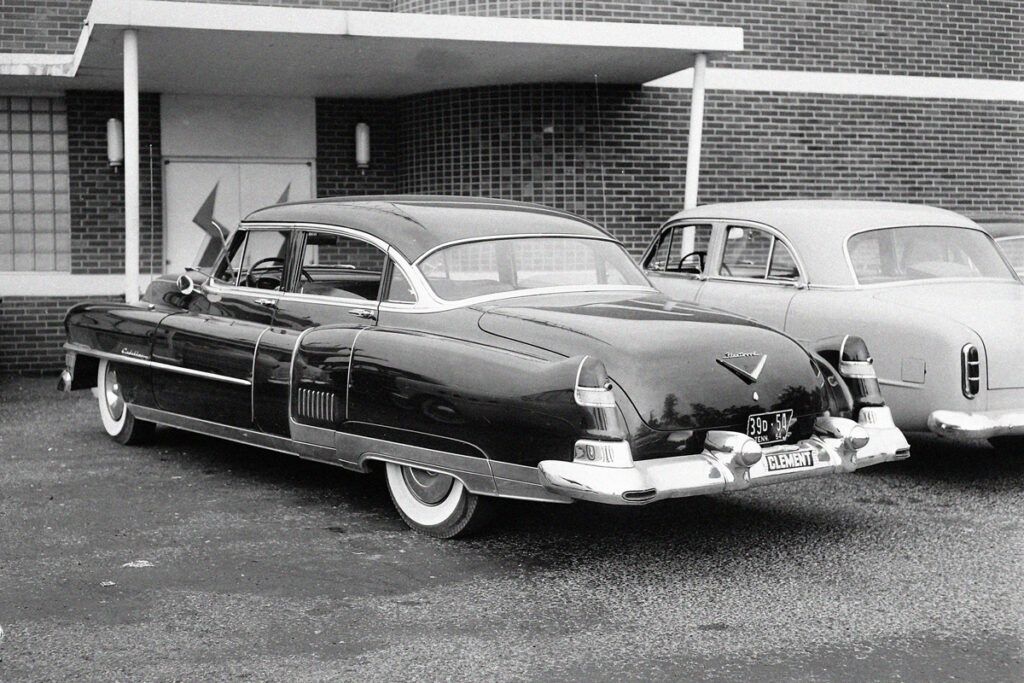
If you’ve ever wondered whether the exaggerated length of old vehicles was really necessary, one of the people responsible had a surprisingly straightforward answer: not really; he just liked the way it looked. Harley Earl, General Motors’ influential design chief and the head of the first design division for a major American automaker, helped shape the appearance of American cars for decades. In a 1954 article in The Saturday Evening Post, he explained that his goal had long been to lengthen and lower the automobile.
His reasoning? “Because my sense of proportion tells me that oblongs are more attractive than squares, just as a ranch house is more attractive than a square, three-story, flat-roofed house or a greyhound is more graceful than an English bulldog.” (Sorry, English bulldogs.)
The transformation was substantial; these aren’t fractions of an inch we’re talking about. According to Earl, the 1954 Cadillac 60 Special was 2 feet longer and 14 inches lower than a 1928 Cadillac model. Stretching the body and bringing down the roofline helped turn a relatively upright vehicle into something that looked sleek and sweeping.
As car technology evolved to the point where there wasn’t much difference between brands in terms of performance, design became increasingly important. The long, low silhouette became the “in” look. For a while, it helped define the American automobile, in contrast to European and Japanese cars.
More from our network





Bigger Cars Fit the Postwar Mood
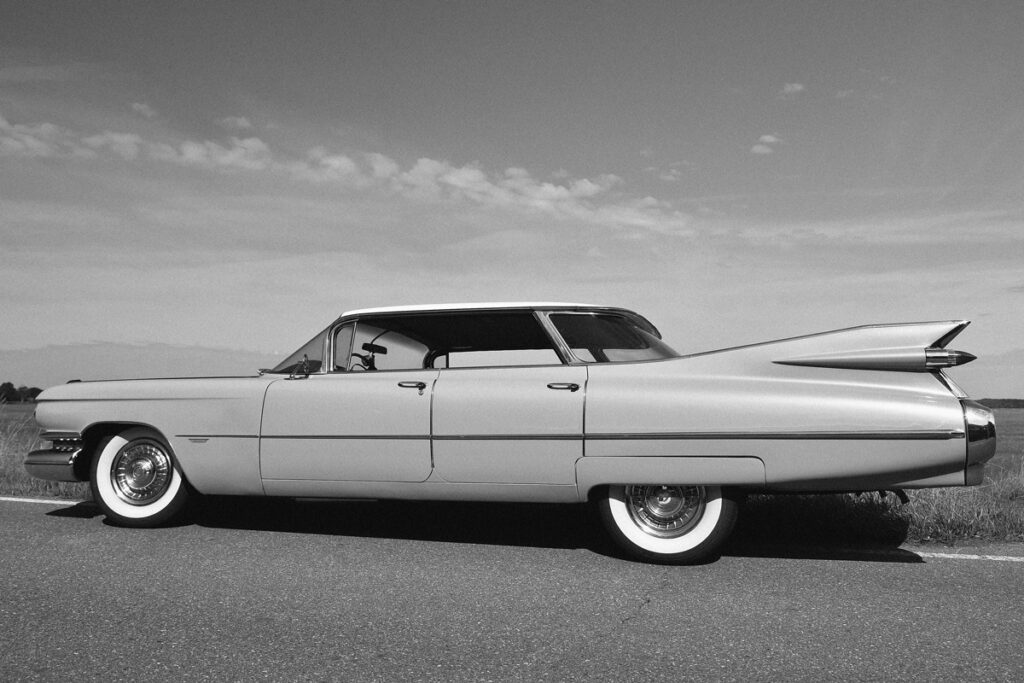
The economy helped make those ambitions possible. After World War II, the economic boom in the U.S. and inexpensive gasoline encouraged Americans to buy the largest cars they could afford, while fuel prices and taxes in Europe and elsewhere encouraged smaller cars.
Automakers happily accommodated those desires. Annual model changes introduced at flashy car shows brought bigger bodies, more powerful engines, and increasingly flamboyant styling, such as the 1950s tailfins that were inspired by both marine animals and military aircraft.
Size also carried associations with comfort and getting your money’s worth. Roomier cars suited large postwar families taking long road trips, which had become increasingly popular as more Americans discovered the joy of driving. (By the end of the 1950s, around three-quarters of American families owned at least one car.)
Still, not everyone wanted a rolling living room, and smaller alternatives existed throughout the big-car era. Volkswagen’s Beetle, for example, appeared in the U.S. around 1949. That was long before Detroit’s largest manufacturers introduced their own new compact offerings around the early 1960s, when an economic recession hit. The giant sedan was a powerful trend rather than a universal preference, although smaller import cars remained a niche market.
The Fuel Bill Changed the Equation
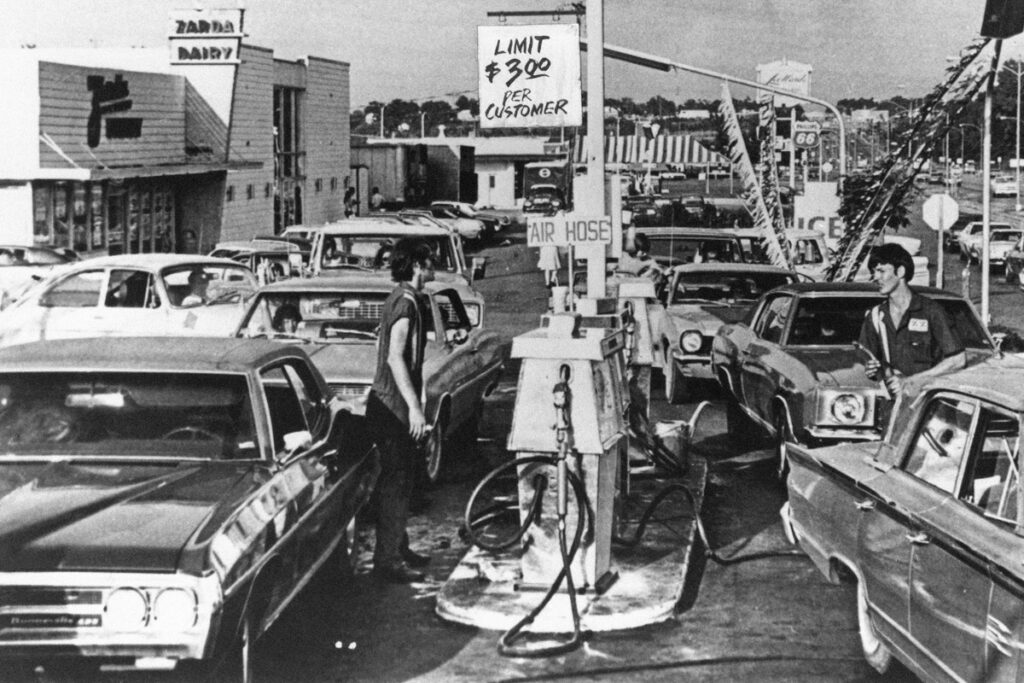
The conditions that favored oversized cars didn’t last. The 1970s oil crises brought higher gasoline prices and increased demand for smaller vehicles. Congress also established Corporate Average Fuel Economy standards in 1975, largely in response to the 1973 oil embargo, requiring manufacturers to meet fuel-economy targets across their new-vehicle fleets. Reducing car size and weight became a much more pressing priority.
Chevrolet’s 1977 models are a particularly vivid example. In 1976, Time reported that the redesigned full-size Impala and Caprice were approximately 11 inches shorter and 4 inches narrower than their predecessors the year before. Chevrolet’s historical account also notes that the Impala sedans of 1977 to 1985 were nearly 650 pounds lighter than some previous models.
Yet losing those inches didn’t necessarily mean squeezing the passengers. Chevrolet describes the redesigned Impala as smaller outside but roomier inside. The change demonstrated that a car’s overall dimensions and its usable interior space weren’t the same thing. (After all, those tailfins weren’t exactly providing extra seats.) A sprawling exterior had been part of the appeal, but it wasn’t the only way to provide a comfortable ride.
Everything Small Is Big Again
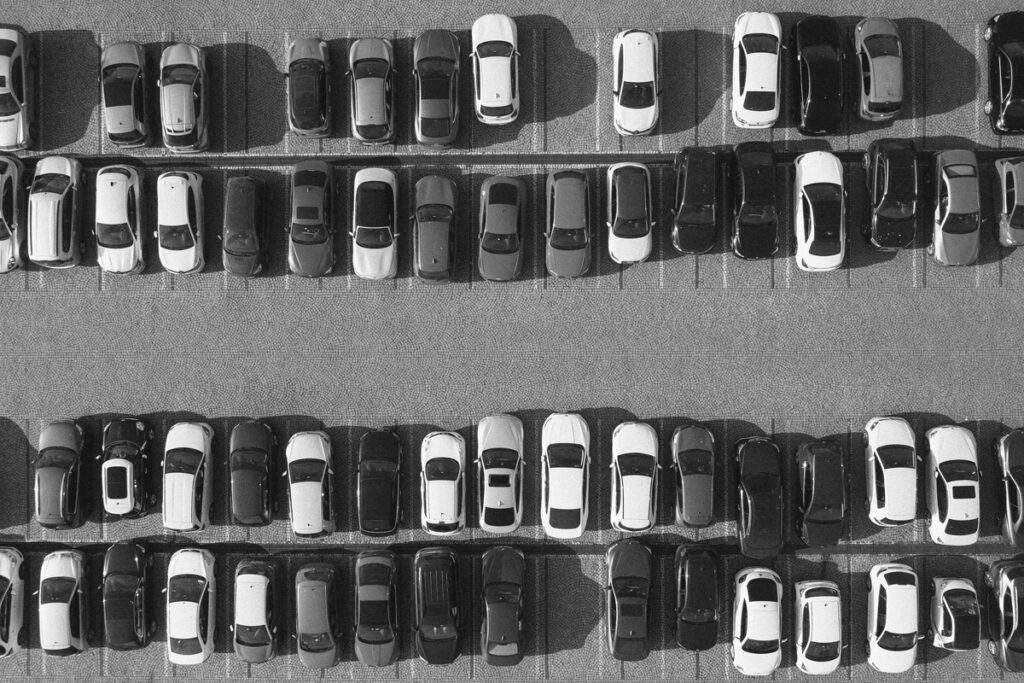
The downsizing era also wasn’t the end of America’s appetite for large vehicles. Although smaller cars were popular for some years, in more recent decades, the market has shifted toward bigger and bigger SUVs. According to the Environmental Protection Agency, the average vehicle footprint — the area defined by the wheels — has generally increased since the agency began tracking it in 2008. That measurement differs from overall body length and width, but it shows why newer doesn’t always mean smaller.
Those vintage sedans capture a distinctive period when stretched-out proportions were fashionable, and manufacturers had good reasons to keep stretching. But the modern parking lot suggests that our fondness for taking up space wasn’t just a flash in the pan.


