5 Scientific Discoveries Born From Self-Experimentation
Throughout history, some bold scientists have taken the ultimate research risk when it comes to proving the efficacy of their work: experimenting on themselves. Due to constraints of time, funding, or available alternatives, these brave — some might say reckless — individuals chose to become their own test subjects, exposing themselves to diseases, vaccines, invasive techniques, and new technologies in the name of scientific progress.
While most modern ethics committees would likely never approve such experiments, these acts of courage sometimes led to breakthroughs that have saved countless lives. Here are five major discoveries that came about when experts put their own bodies on the line for science.
Polio Vaccine
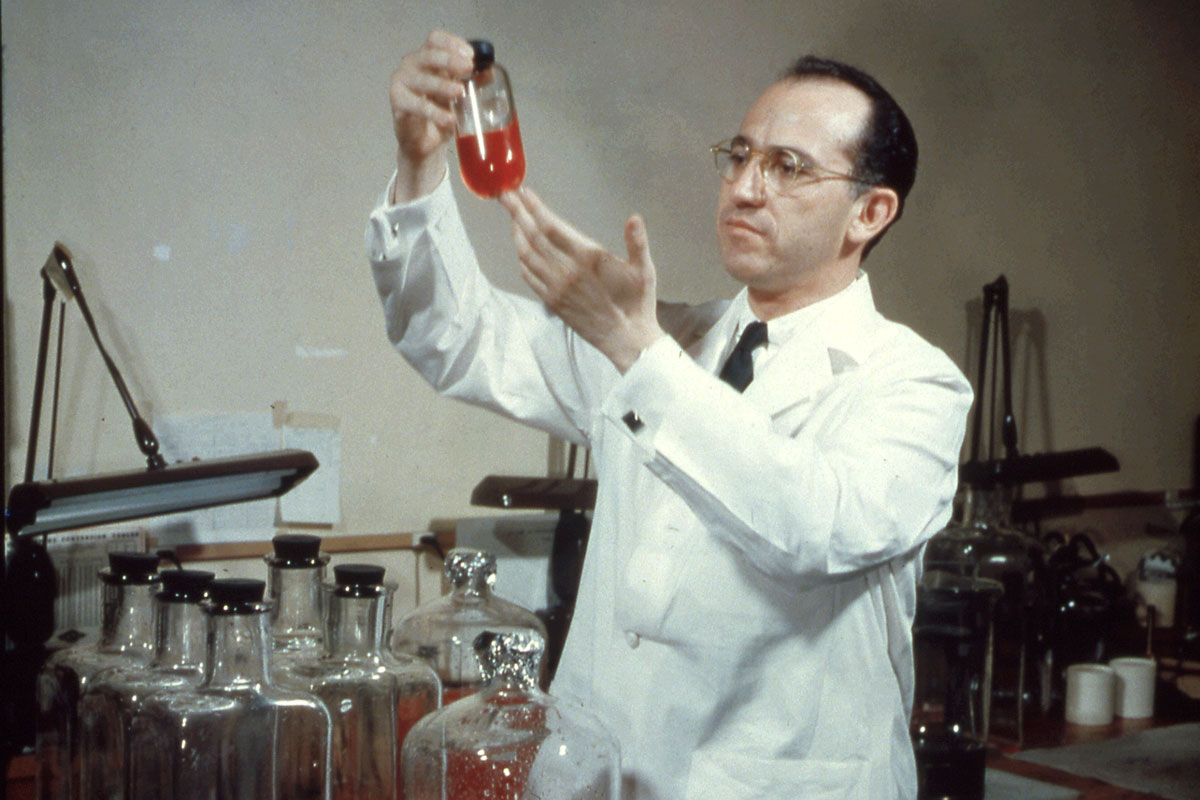
In the 1950s, polio outbreaks ravaged the United States. Tens of thousands of cases across the country left hundreds of people paralyzed or dead, and thousands of children disabled. During the crisis, American virologist and medical researcher Jonas Salk developed a vaccine that he believed could prevent infection. In 1953, after successful tests on monkeys, Salk made the audacious decision to test the vaccine on himself — and his family. He boiled needles and syringes on his kitchen stove, then vaccinated himself, his wife, and their three young sons. Thankfully for all involved, the family developed antibodies against polio without any adverse effects.
It may seem reckless today, but Salk’s willingness to inject his own children was based on his complete confidence in the vaccine’s safety. His actions helped convince the medical establishment to support large-scale trials. By 1961, the vast majority of American schoolchildren had received the vaccine, all but ending the polio scourge. Salk famously, and altruistically, decided not to patent the vaccine, saying in a TV interview with Edward R. Murrow, “There is no patent. Could you patent the sun?”
You may also like

More from our network





Local Anesthesia
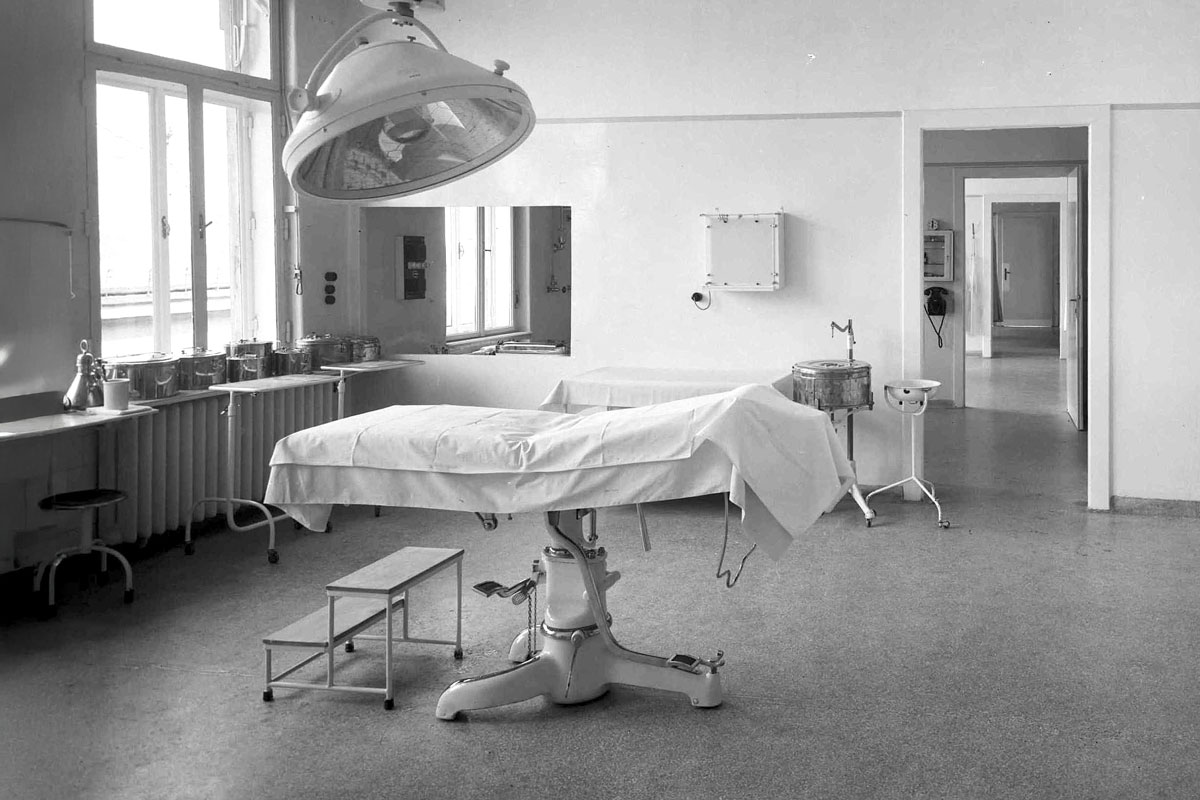
In 1921, Evan O’Neill Kane, chief surgeon at the Kane Summit Hospital in Pennsylvania, was in the operating room waiting for his own appendectomy to begin. To the surprise of his staff, who were ready and waiting to operate, Kane announced that he would remove his appendix himself. Reluctant to go against the wishes of their boss, the staff obeyed and stood back.
This wasn’t some kind of bizarre whim on Kane’s part. He had performed more than 4,000 appendectomies in the past, using general anesthesia, which was standard practice at the time. But general anesthesia was considered dangerous for people with heart conditions and other serious ailments, complicating (or ruling out entirely) many basic surgeries for high-risk patients, including appendectomies.
Kane believed that general anesthesia wasn’t necessary in these circumstances, and that local anesthesia was the solution. To prove his point, he removed his own appendix using only local anesthetic. With his assistants standing by, he made an incision in his own abdomen, located his appendix, and removed it while fully conscious. While undoubtedly extreme, his self-appendectomy demonstrated that local anesthesia was viable for abdominal surgery, leading to a wider acceptance of local anesthesia and a reduction in surgical mortality rates.
Effects of Deceleration on the Body
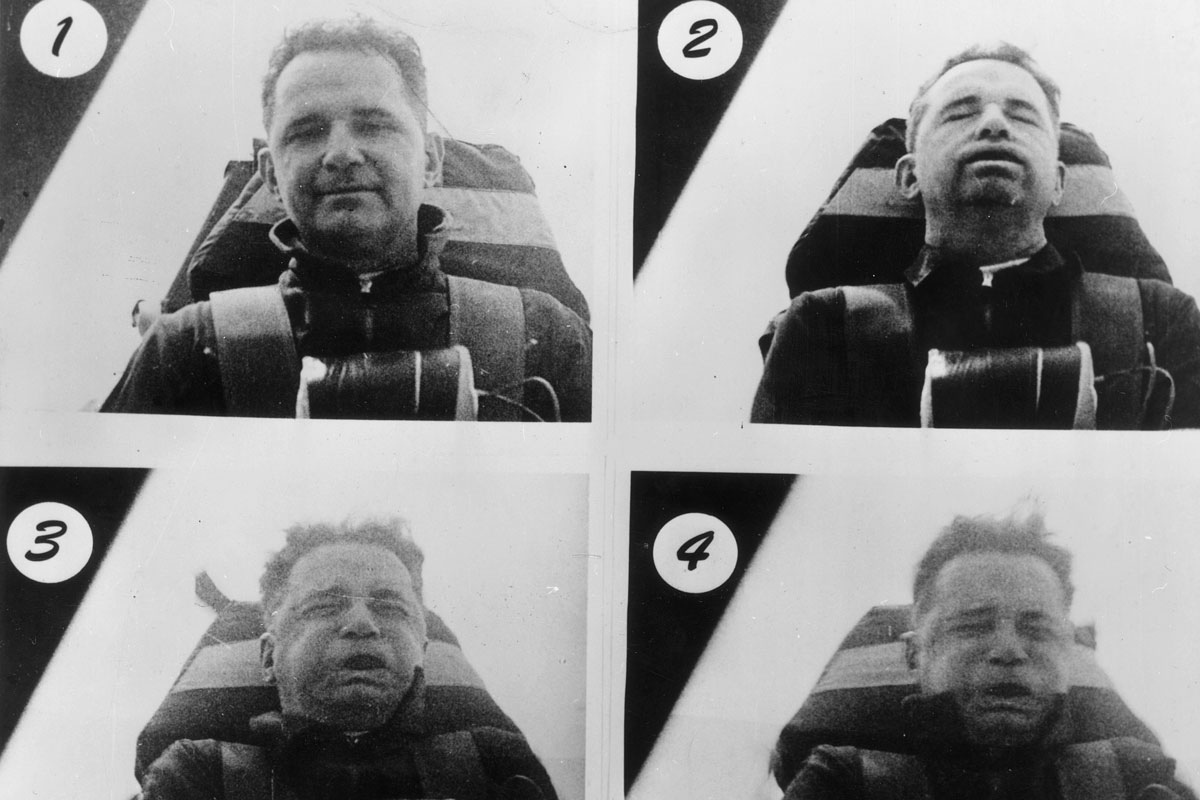
When Air Force Colonel John Paul Stapp set out to discover the precise effects of deceleration on the human body, he went all in. With airplanes increasingly flying higher and faster after World War II, pilots were being placed under ever-greater stresses, and bailouts and crashes were becoming far more dangerous. To help counter this and protect pilots, Stapp and his team began strapping themselves into extremely fast rocket sleds in the name of science.
In one such test, carried out in December 1954, Stapp strapped himself into a sled called Sonic Wind No. 1. Powered by nine solid-fuel rockets, the sled hurtled along a custom-built track, and in just five seconds Stapp reached 632 miles per hour — faster than a .45-caliber bullet fired from a pistol. When the sled’s brakes engaged, Stapp reached a standstill in just 1.4 seconds, experiencing a deceleration force of 46.2 g (46.2 times the force of gravity) — momentarily making his body weigh more than 6,800 pounds. The effect cracked his ribs and burst all the blood vessels in his eyes, making him temporarily blind.
Stapp’s experiments provided invaluable data regarding human tolerance to extreme forces, and disproved the prevailing medical belief that pilots couldn’t survive forces above 18 g. As well as paving the way for improved safety features in airplanes, his work and advocacy led to the automobile industry adopting stronger safety belts and harnesses, saving countless lives.
Cardiac Catheterization
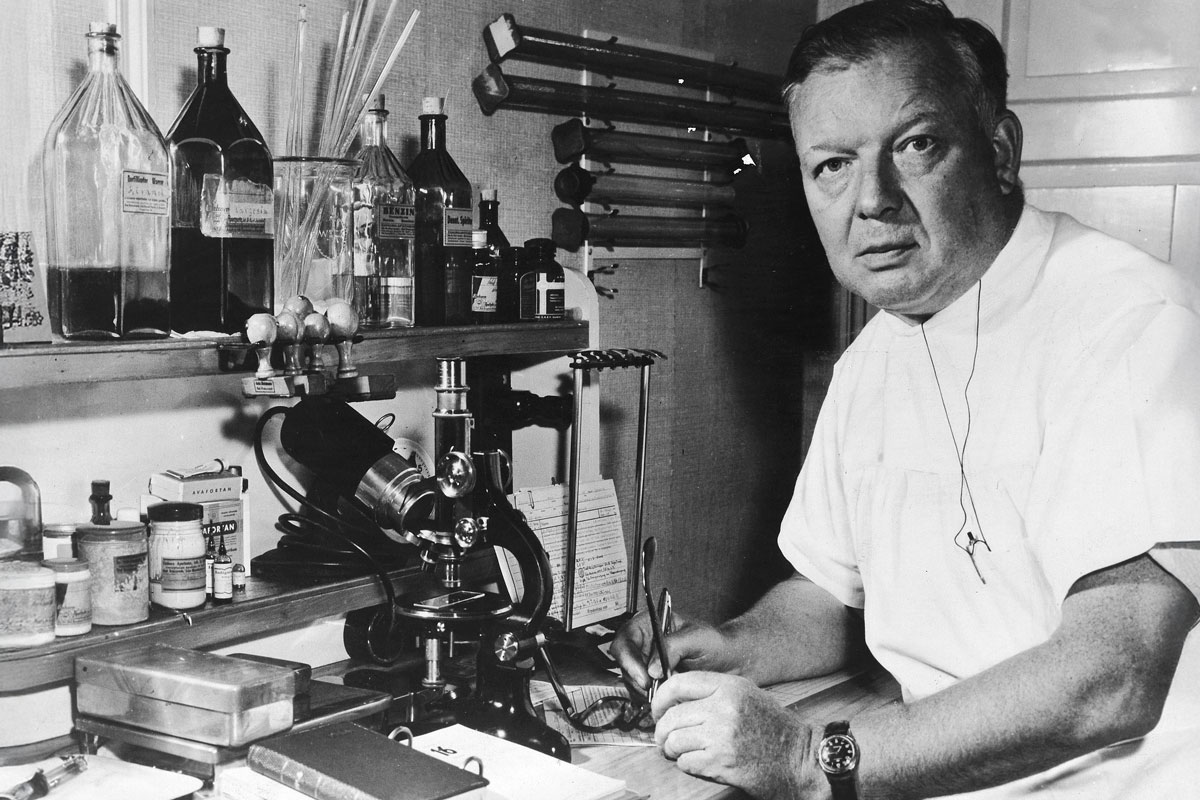
In 1929, 25-year-old surgical trainee Werner Forssmann saw a picture in a book that showed a tube inserted into a horse’s heart through a vein. Forssmann believed that such a process could work just as well in humans, but his superiors dismissed the idea as far too dangerous, forbidding him to test the procedure on any patient. So Forssmann, assisted by his operating room nurse Gerda Ditzen, carried out the procedure on himself.
He anesthetized his arm, then cut into his antecubital vein, through which he inserted a catheter for 65 centimeters. He then calmly walked to the X-ray department, where he advanced the catheter until it reached his right atrium, taking X-rays of the whole process. As toe-curling as the whole thing may seem, Forssmann’s self-experiment paved the way for many different heart studies and procedures to come — and earned him the Nobel Prize in 1956.

Treatment for Stomach Ulcers
For a long time, stomach ulcers were blamed on stress, poor diet, or eating too many spicy foods (or a combination of all three). The prevailing wisdom rejected the idea that bacteria could be the cause, as it was believed that bacteria couldn’t survive in the stomach’s acidic environment. Then, in the early 1980s, Australian physician Barry Marshall and pathologist Robin Warren discovered spiral bacteria (Helicobacter pylori) in the stomachs of patients with gastritis and ulcers. Yet the medical establishment dismissed their findings.
So, in 1984, Marshall took matters into his own hands — and into his own stomach. He drank a whole petri dish of H. pylori cultured from a sick patient. Three days later, he began experiencing nausea, vomiting, and halitosis. An endoscopy confirmed the bacteria had colonized his stomach and caused inflammation. Marshall then treated himself with antibiotics. He soon recovered, proving conclusively that H. pylori bacteria can cause acute gastritis, which in turn can cause ulcers that can then be treated with antibiotics. The discovery revolutionized treatment, and in 2005— when the significance of their work was properly recognized — Marshall and Warren were jointly awarded the Nobel Prize.


