



When Did Companies Start Designing Products To Fail?

When our gadgets slow down after an update or come with batteries that are impossible to replace, it’s hard not to wonder if they’re designed to fail in order to force us to buy something new. This is known as planned obsolescence — the idea that products are intentionally made to wear out and be replaced quickly. And while it may feel like a recent phenomenon, companies designing products with a built-in limited lifespan began much earlier than you may think.
The Light Bulb Cartel
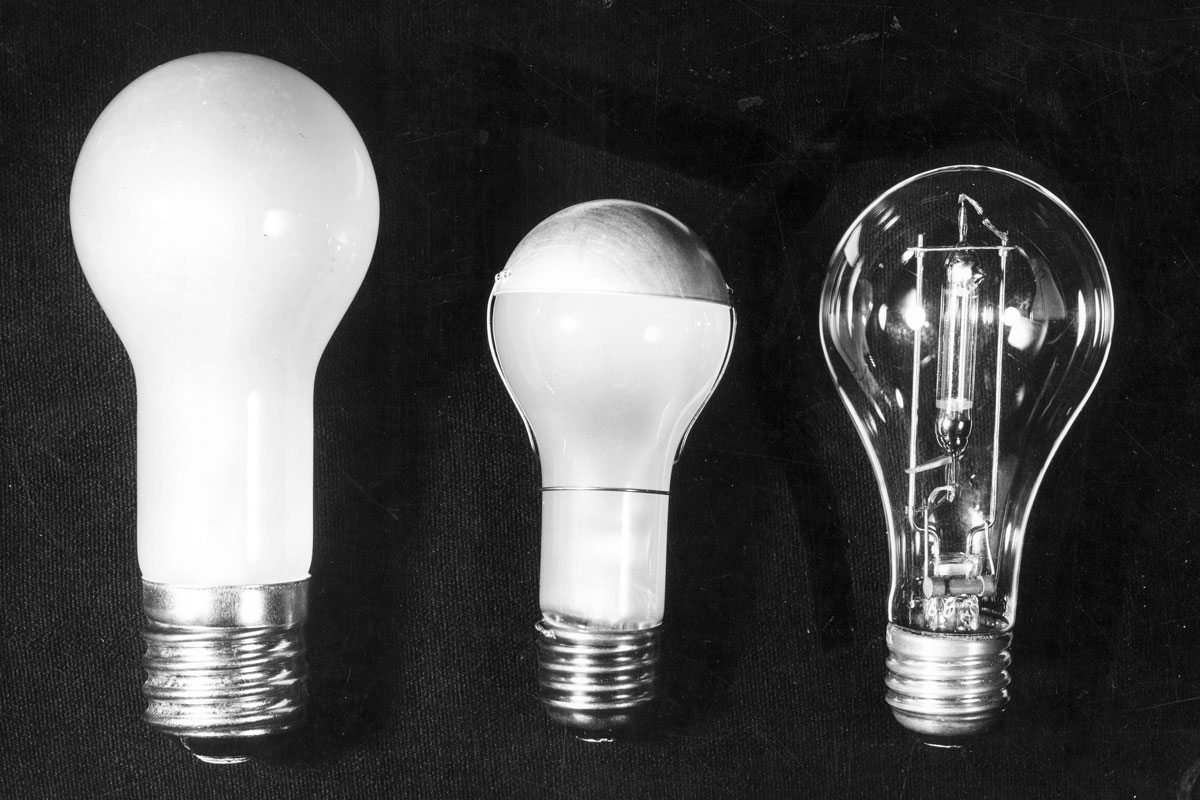
One of the earliest examples of what we now know as planned obsolescence involved a seemingly mundane object: the light bulb. By the early 1900s, incandescent bulbs were capable of lasting up to 2,000 hours (or roughly 83 full days). That durability, while impressive, was bad for business. So in 1924, several major light bulb manufacturers including General Electric, Philips, and Osram formed a secret group known as the Phoebus cartel.
Together, they agreed that the bulbs they manufactured shouldn’t last longer than 1,000 hours; shorter-lived bulbs meant more frequent replacements and therefore steadier sales. The cartel disbanded during World War II, and was later uncovered by antitrust investigations that revealed the extent of its coordination. But the idea had been planted: Companies didn’t have to simply respond to the natural wear and tear of a product — they could decide how long it should last.
You may also like



More from our network





Annual Upgrades
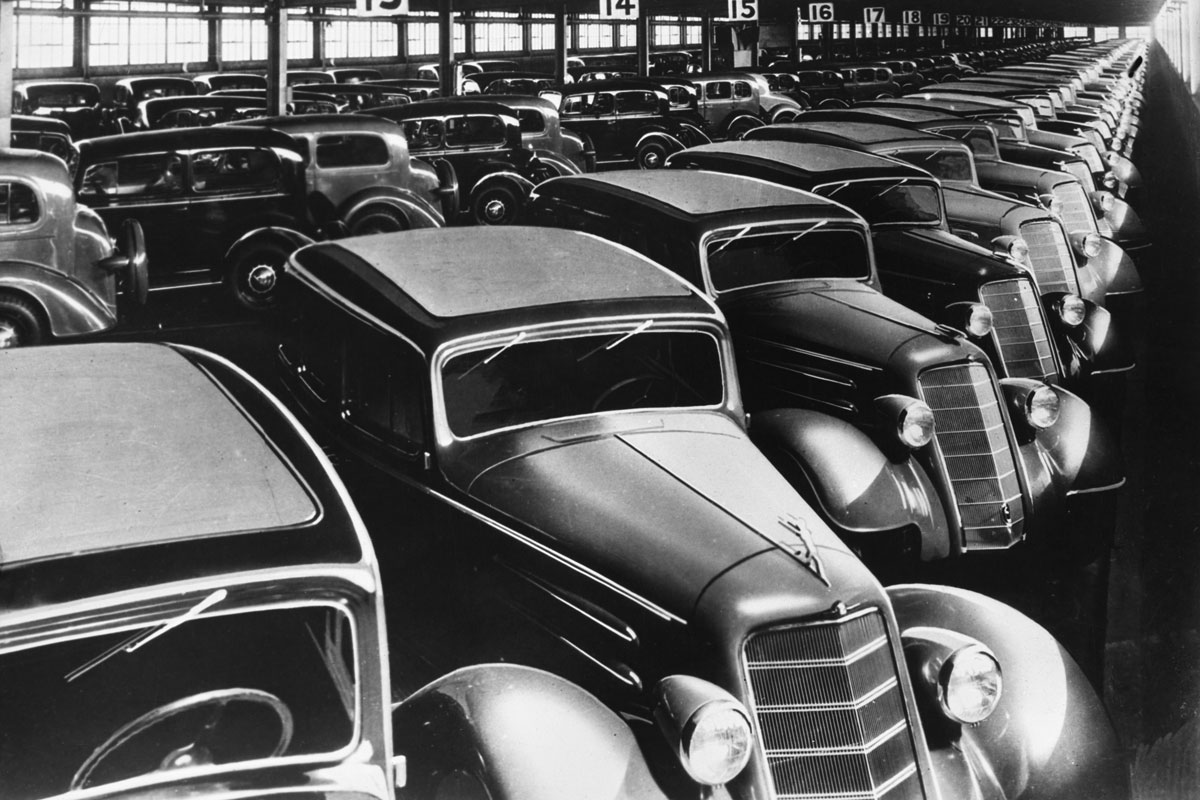
The automobile industry adopted a similar strategy. In the mid-1920s, General Motors began rolling out annual changes to its cars. Unlike Ford, which offered little variation on the Model T for nearly two decades, GM introduced annual updates to its multiple brands, including Oldsmobile, Pontiac, Cadillac, Buick, and Chevrolet.
The updates were mostly cosmetic: new grilles, different fenders, or fresh color options, all of which caused the previous year’s model to look dated even if it still ran perfectly. GM president Alfred P. Sloan called his idea “dynamic obsolescence,” and the strategy to get people to buy more cars worked. In the 1930s, the average length of car ownership was about five years; by the mid-1950s, it was down to two or three years.
A Formal Proposal for Planned Obsolescence
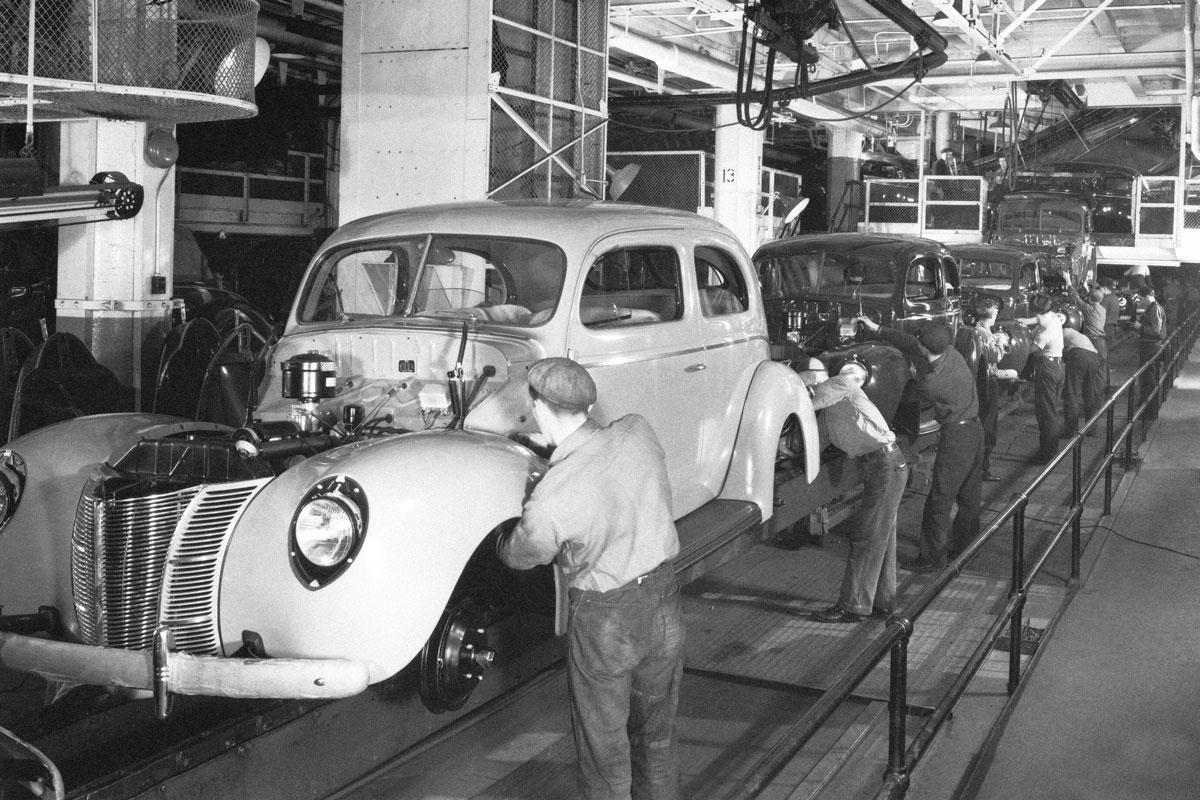
The term “planned obsolescence” first appeared in 1932. In the depths of the Great Depression, New York real estate broker Bernard London published several works on economics and industrial recovery, including a paper titled “Ending the Depression Through Planned Obsolescence.” In it, he proposed that consumer goods including shoes, homes, and machines, as well as all products from manufacturing and agriculture should have government-imposed expiration dates. Once these products reached the end of their legal lifespans, they would be turned in and destroyed.
That same year, industrial designers Roy Sheldon and Egmont Arens released their book Consumer Engineering: A New Technique for Prosperity. Like London, they wanted to boost U.S. manufacturing and saw an opportunity with products that were built to be used, disposed of, and then replaced. The idea was intended to keep factories and the economy running by requiring people to buy new things, and the concept set the stage for turning the replacement of goods into a deliberate part of product design — making planned obsolescence a key part of American manufacturing.
Postwar Consumerism
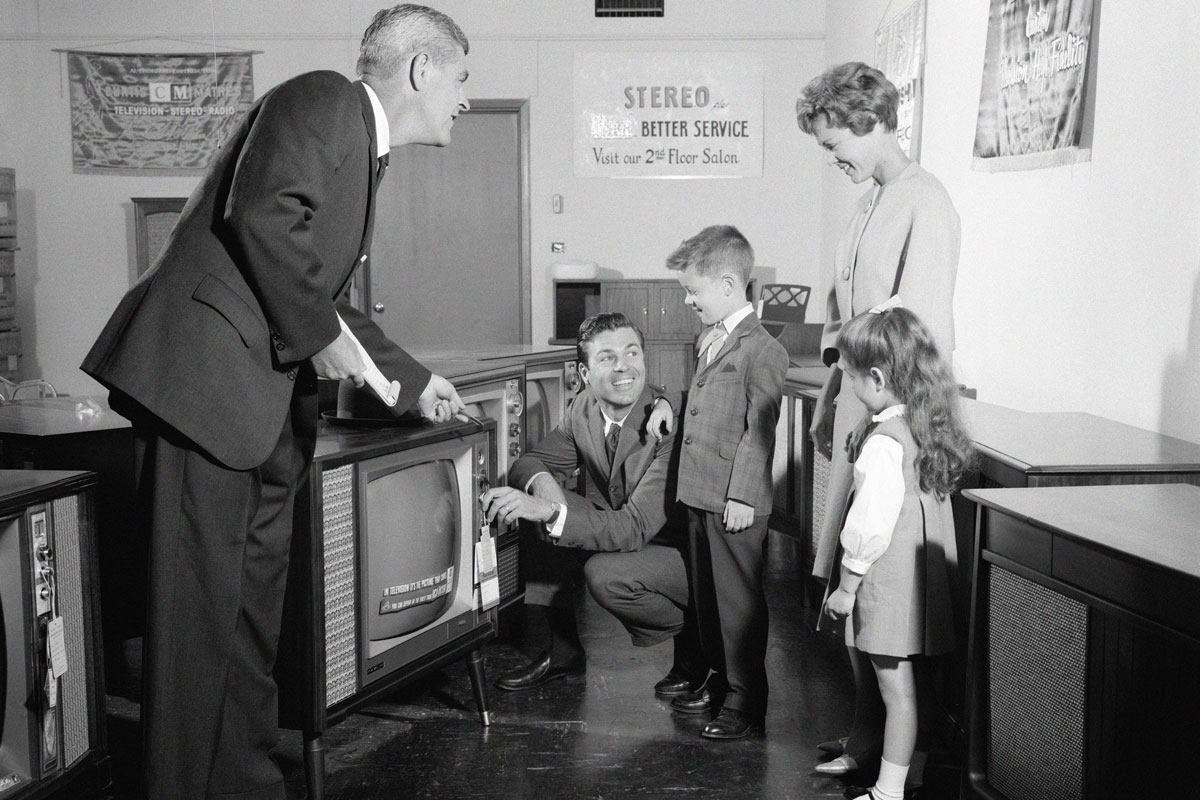
Some 20 years after London’s pitch, postwar prosperity saw U.S. consumerism soar, and planned obsolescence began to proliferate in American household goods. Appliances such as refrigerators, washing machines, and televisions flooded the market — as did profit incentives to keep people buying new ones. Companies wasted no time coming up with new shapes, styles, and colors that made older appliances look dated — changes made more for appearance than mechanical necessity.
In 1954, famed industrial designer Brooks Stevens (whose products include everything from the Oscar Mayer Wienermobile to wide-mouthed peanut butter jars) spoke about planned obsolescence at an advertising conference, defining it as “instilling in the buyer the desire to own something a little newer, a little better, a little sooner than is necessary.” Today, both functional limits and design and marketing plans continue to shape how we buy and replace the products in our lives.


