



Who Was the Funniest Founding Father?
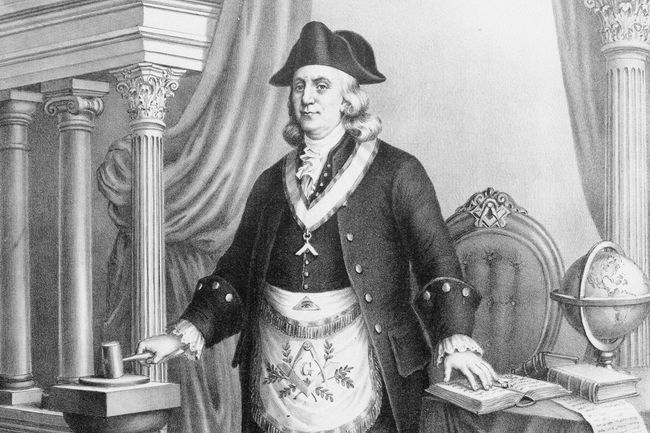
If you picture America’s Founding Fathers as solemn men with stern faces and powdered wigs, you’re getting only half the story. In reality, these figures spent much of their lives writing impassioned letters, arguing politics, insulting rivals, exaggerating grievances, and trying to outwit one another in prose.
Humor naturally slipped into their writing, sometimes intentionally and sometimes because sarcasm can be easily employed against those who annoy us. Thomas Jefferson once argued that “ridicule is the only weapon which can be used against unintelligible propositions.”
George Washington, for one, was known to occasionally speak his mind through dry humor. In one instance, he attended a military banquet after the Revolutionary War where elaborate silver cups were presented. After learning that the man who designed the cups had since become a Quaker minister — and knowing that Quakers preferred a plain and simple style that was closer to his own taste — Washington reportedly remarked that he wished the craftsman “had been a Quaker preacher before he made the cups.”
John Adams, meanwhile, had no problem turning his irritations and aggravations into witty insults. Describing Benjamin Franklin in a 1783 letter, Adams complained that Franklin’s “whole life has been one continued insult to good manners and to decency.”
The jab was meant as criticism, but it also sounds suspiciously like admiration. Because, while many of the founders could occasionally land a sharp line, it was Benjamin Franklin who added humor to nearly everything he wrote.
Ben Franklin’s Mischievous Side
Franklin’s public image often emphasizes the brilliant inventor with the kite, bifocals, and lightning rod. Less attention goes to the fact that he enjoyed provoking people almost as much as he enjoyed experimenting.
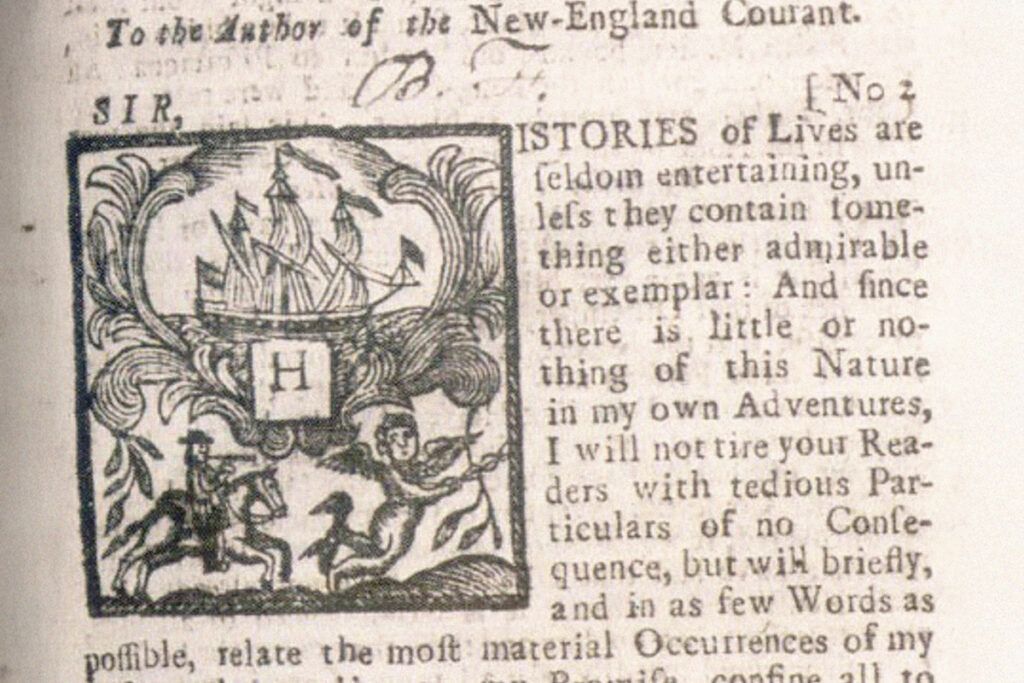
That personality quirk first appeared when he was a young man in Boston, working as an apprentice in his brother’s Boston printing shop. When his brother refused to publish his writing in the newspaper, Franklin invented a fictional middle-aged widow named Mrs. Silence Dogood and slipped essays with her name on them under the door at night so they would be printed.
The Silence Dogood letters were witty and mildly scandalous by colonial standards. In one letter, Mrs. Dogood described Harvard graduates returning home “as great Blockheads as ever, only more proud and self-conceited.” Readers loved the widow’s sharp observations — some men even reportedly proposed marriage to the imaginary woman — and Franklin delighted in using invented characters to say things he could not safely say as himself.
More from our network





Franklin Was a Gifted Satirist
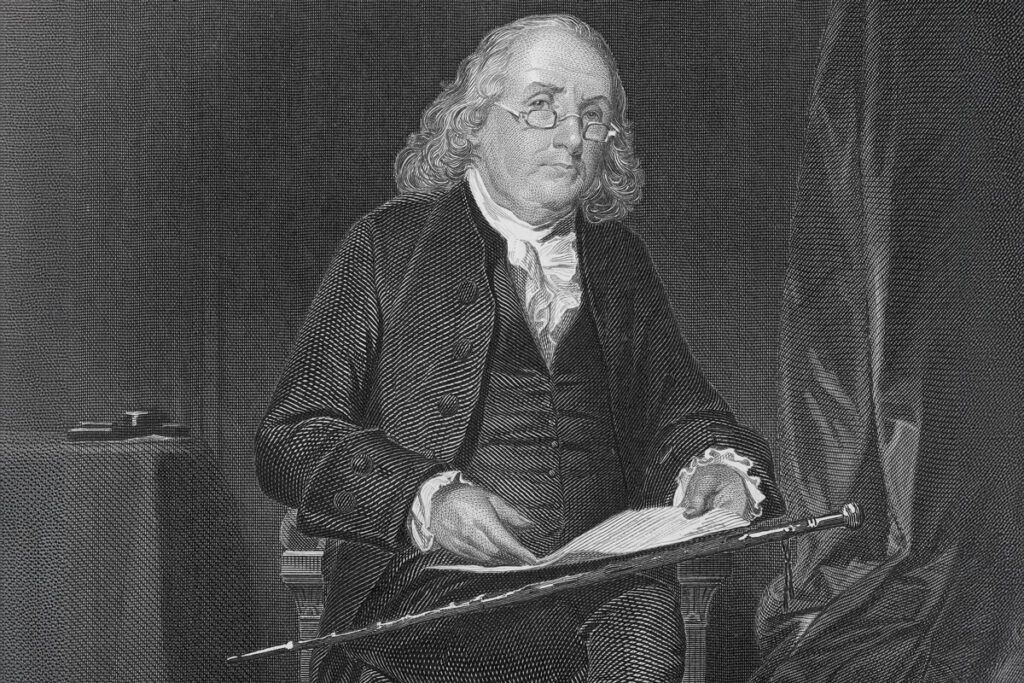
One of Franklin’s most famous comic pieces is the essay now known as “Fart Proudly,” written while he was living in France. People who know Franklin only as the grandfatherly statesman are often startled to discover that he once composed an elaborate satirical proposal encouraging scientists to find a way to make human flatulence smell pleasant.
What makes the piece genuinely funny even now is that Franklin never breaks character. Intended for “He that is conscious of a Stink in his breeches,” the essay is written in the polished, rational tone of Enlightenment-era science. He discusses the matter as though he were proposing a perfectly respectable improvement for humanity, recommending research into foods and powders capable of rendering “wind as agreeable as perfume.”
Franklin returned to the same strategy in other satirical writings, including the essay “Rules by Which a Great Empire May Be Reduced to a Small One,” where he adopts the voice of a straight-faced political adviser in order to critique the British government. His “advice” is deliberately counterproductive in ways that mirror bad governance, such as multiplying unnecessary offices, rewarding inefficiency, and encouraging public debt. The effect is cumulative and the humor depends on the same principle as “Fart Proudly” — the more convincingly serious the voice, the more absurd the conclusion becomes.
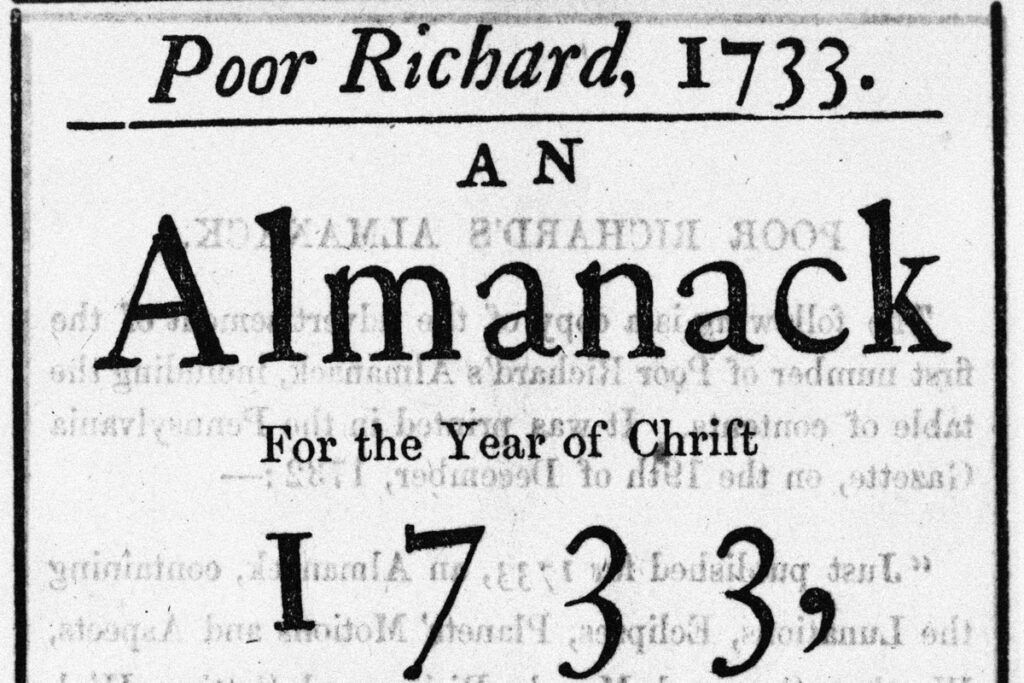
“Poor Richard” Made Franklin’s Humor Famous
If Franklin had done nothing except publish Poor Richard’s Almanack, he would still rank among the most widely read writers of colonial America. First issued in 1732 under the pseudonym Richard Saunders, the almanac combined weather predictions, practical advice, and short sayings designed to be repeated easily in everyday conversation.
The most enduring of these proverbs survive because they often share wisdom in the form of a joke. Franklin turned moral observations into memorable, humorous lines in sayings such as, “He that lies down with dogs shall rise up with fleas,” “Fish and visitors smell in three days,” and “Three may keep a secret, if two of them are dead.”
He also borrowed freely from older sources, then refined the ideas to make them uniquely his own. That process helped the sayings survive, but it also reflects his broader approach to communication. Franklin wrote for readers who would repeat his lines at tables, in taverns, and in conversation, shaping his prose for ease of recall and circulation rather than literary preservation. That timeless quality may be why he endures as the funniest of the Founding Fathers — some of his humor is as relevant today as it was when he observed in 1789, “In this world, nothing is certain except death and taxes.”


