

‘Lord of the Flies’ was rejected as many as 21 times and was almost never published.
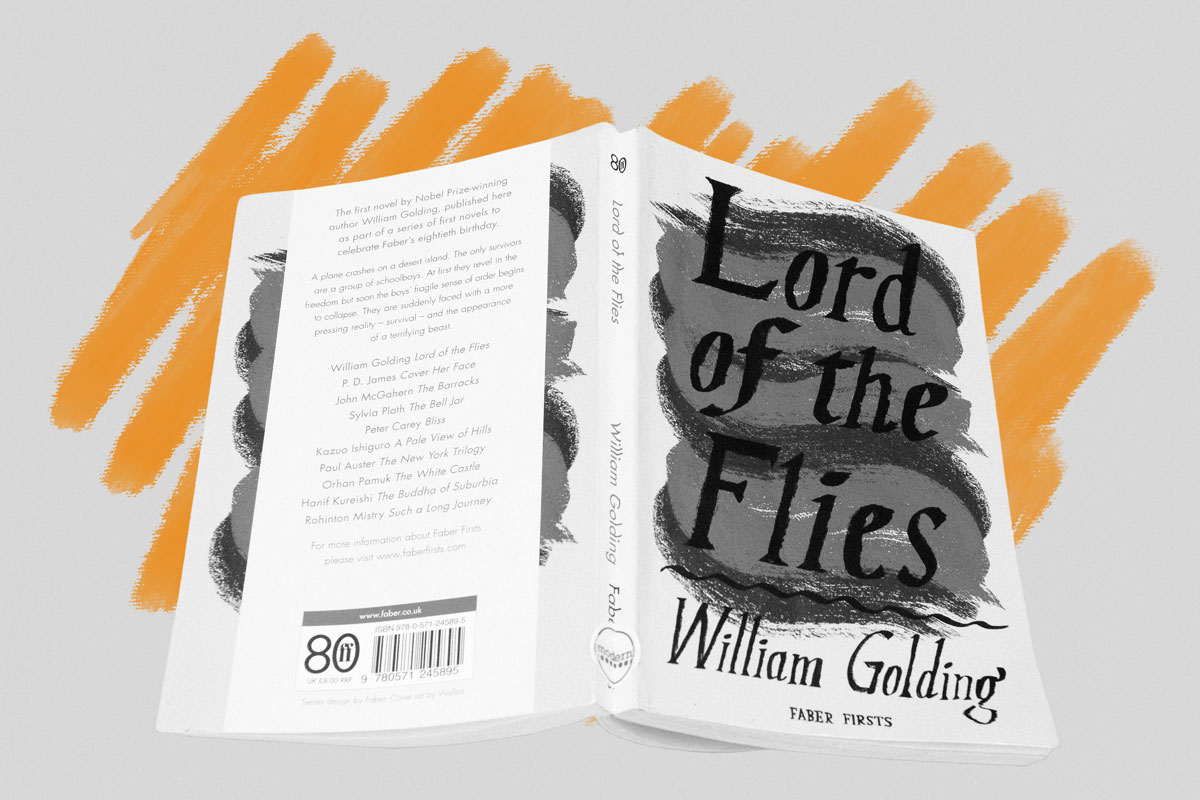
Sometimes a novel just needs to find the right editor — even novels that go on to exalted positions in the literary canon. When author William Golding finished his harrowing allegorical novel Lord of the Flies in 1953, he spent a lot of time and postage distributing it to publishers. His manuscript was returned over and over — according to some sources, including Golding’s obituary in The New York Times, as many as 21 times.
The last publishing house to receive the novel, Faber and Faber, also initially marked it for rejection; the reader assigned to it called the work “absurd,” “dull,” and “pointless.” But a young editor at the firm named Charles Monteith, needing something to read on the train, grabbed it off the slush pile and realized its potential.
Lord of the Flies tells the story of a group of preadolescent boys stranded on a desert island after their plane is shot down while evacuating them from Britain during a fictional war. Over the course of the novel, the micro-society the children create devolves into violence. It was Golding’s spin on the 1857 children’s novel Coral Island, an adventure tale about three extremely pious shipwrecked boys. Golding came to believe after his time serving in the British navy in World War II that everyone had the potential for evil inside them, and he wanted that to be the main conflict of his story.
Golding’s original manuscript, titled Strangers From Within, initially led with more detail on the war, the evacuation, and how the boys became stranded. But Monteith, like the previous reader at Faber and Faber, found it dull. The original story also had prominent religious themes that didn’t make it into the final draft. The end result was a secular book that picks up right when two of the main characters meet on the beach after the crash. That revised version went on to be a staple of high school reading lists, and Golding went from a pile of rejections to winning the Nobel Prize in literature.


