



Why Were Quarters Painted Red in the 1960s?
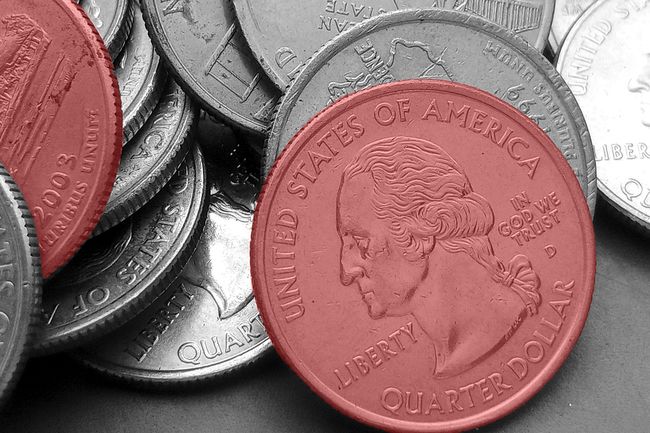
A quarter with red paint smeared across George Washington’s face might look like the survivor of a strange craft project. If you encountered one in your pocket change in the 1960s, though, there was a good chance someone had colored it for a practical reason. Behind that splash of paint was a simple but clever business custom.
A Quarter To Start the Party
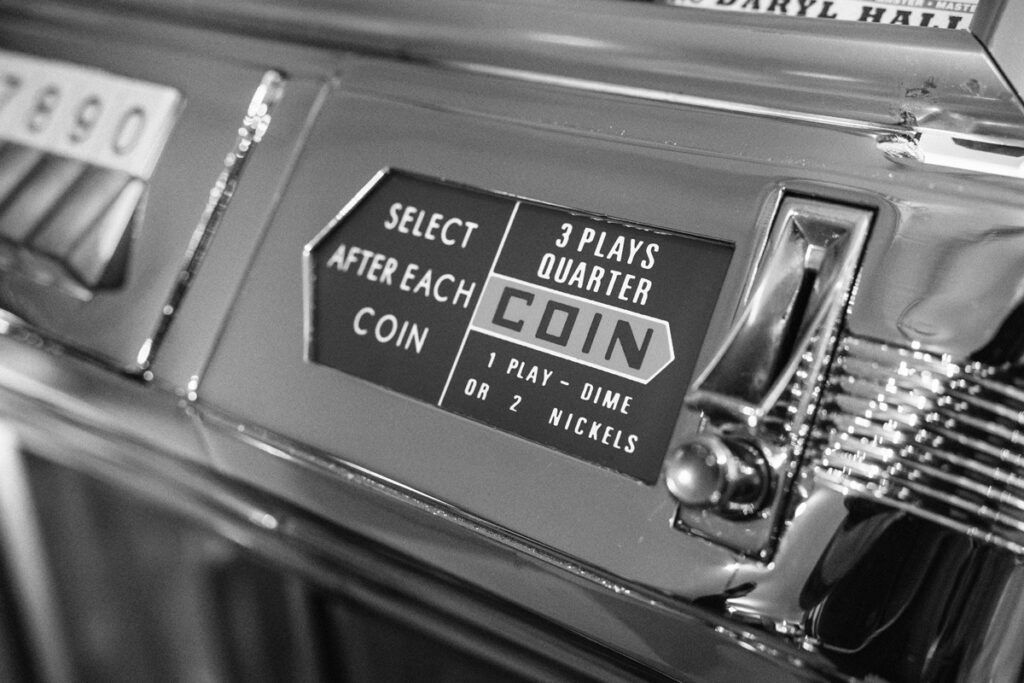
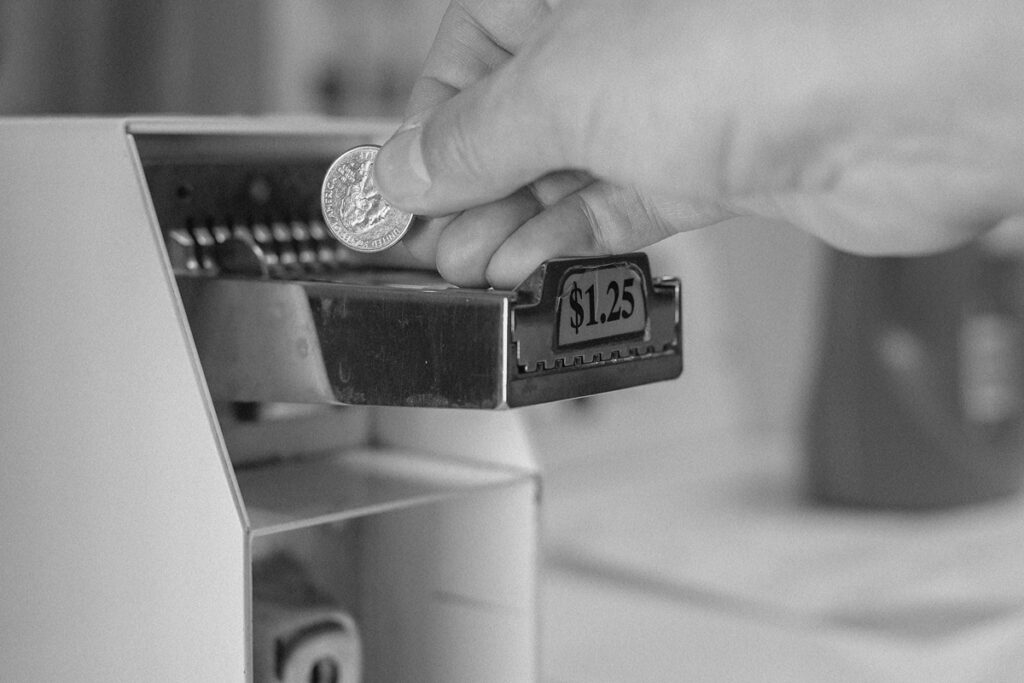
In a bar or restaurant with a coin-operated jukebox, silence could be bad for business. Employees could get the party started by dropping in a quarter, hoping customers would feed the machine themselves once the songs stopped, instead of letting the dead air take over. But there was a financial wrinkle: The establishment didn’t necessarily own the jukebox. In midcentury America, an outside operator often supplied the machine, collected its earnings, and split the proceeds with the business.
If employees used ordinary quarters, that money would get mixed in with paying customers’ contributions. Painting the coins made them easy to identify when the operator emptied the cash box. The business could recover its quarters, and the remaining money could be divided according to the arrangement with the jukebox owner. The marked coins — sometimes called “house coins” or “shill coins” — would then go back into service.
More from our network



Fun, Games, and Free Laundry
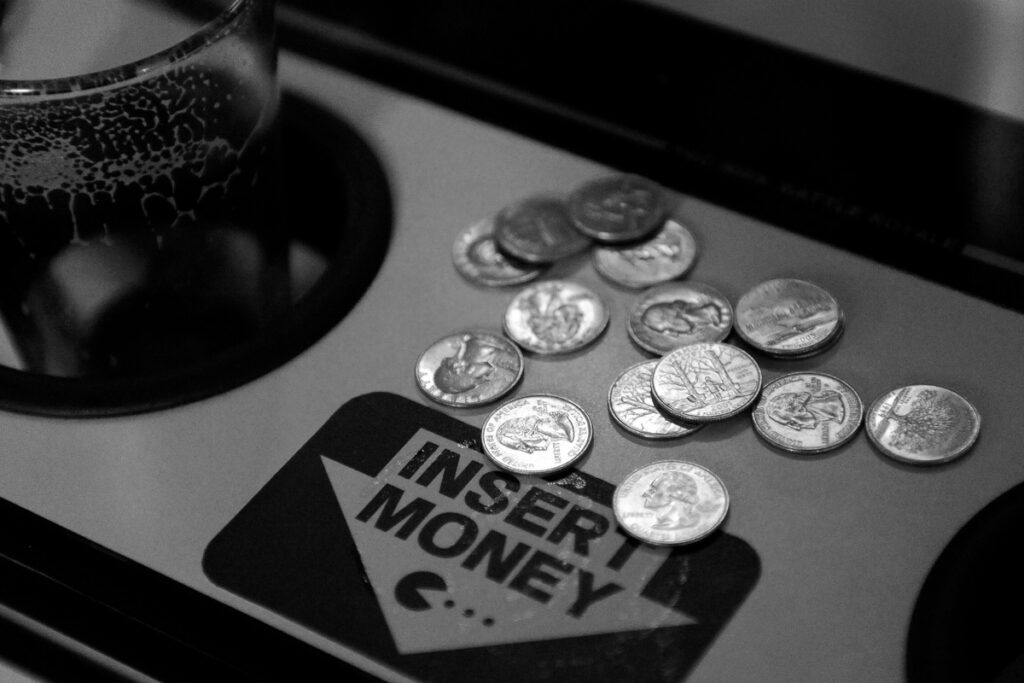
The same basic system worked in arcades, where a machine swallowing a customer’s quarter without starting a game was a common problem. An attendant could insert a painted quarter to give the player another chance. If the game worked, the customer got the missing turn; if it failed again, the machine could be marked “out of order.” When the money was collected, the painted quarters were separated from the arcade’s earnings and returned to the attendants for reuse. The number of red quarters that came out of the machines could also signal which ones were having problems, and how often.
Painted quarters could also cover complimentary laundry. Some reports say that apartment building owners once supplied red quarters to superintendents whose benefits included free laundry. After collecting the machines’ money, the building owners could retrieve the marked coins and hand them back to the supers. In some cases, laundromats also used painted quarters to test machines or provide employee washes.
In other words, whether the machine played a record, launched a game, or washed clothes, the color helped separate a house-funded use from a true customer purchase.
Why Red?
Red was conspicuous against a pile of silver-colored coins, and nail polish offered a convenient way to apply it. A Seattle Post-Intelligencer article describes restaurant waitresses in the 1950s marking quarters with nail polish before putting them into jukeboxes to keep the music going. Other accounts mention that spray paint could do the job, too.
But there was nothing essential about the color red itself. Some stories describe blue and yellow house coins. What mattered was that whoever counted the money could recognize the coins and knew what the hue meant. The paint didn’t give a quarter any special ability to activate a machine; it made the coin easier for a person to find afterward.
This custom reached peak popularity in the 1960s, but it wasn’t exclusive to that decade. There are also accounts of the practice as early as the 1950s and late as the 1990s. These memories establish a broad span of use, although they don’t pinpoint exactly when the practice was invented.
It’s possible the painted-quarter tradition never entirely went away. The basic idea currently appears in the policies for Sacramento State’s campus game room. For free-play events, the instructions specify spray-painting quarters, having attendants insert them into amusement machines, and separating them from revenue during collection. Decades after painted quarters got jukeboxes started, a little color can still keep the accounts straight.


