



Before post offices, people picked up their mail at the general store.
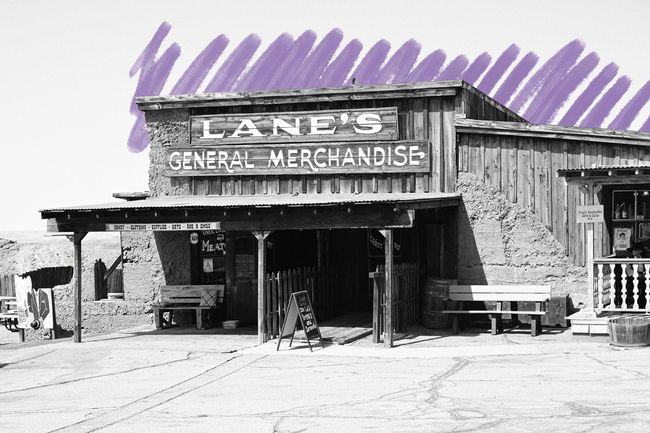
They don’t call them general stores for nothing. In addition to food, tools, and other everyday items, these shops used to stock … your mail. This was in the early days of America, before the U.S. became an independent nation with an established postal system.
Before American independence, mail within the colonies wasn’t especially common — settlers living in the future United States were more likely to send letters back to Britain or other parts of Europe. When letters did occasionally arrive from across the pond, they didn’t wind up in mailboxes the way they do now. Rather, Americans went down to the local general store, or perhaps the local tavern or inn, to pick up and drop off their correspondence.
The mail process became slightly more formalized starting in 1753, when Benjamin Franklin was promoted from postmaster of Philadelphia to “His Majesty’s Deputy Postmasters General for all His Dominions in North America” alongside William Hunter. Together, they made myriad improvements to the colonial mail system, including setting up day-and-night relay teams that cut delivery times between Philadelphia and New York in half. But they didn’t establish official post offices. That came with the Postal Clause of the Constitution, which granted Congress permanent power to establish post offices and post roads. Delivery to general stores in remote areas remained commonplace for quite a while longer, until the advent of rural free delivery (RFD) in 1896.


