




Why Do Old Churches Face East?
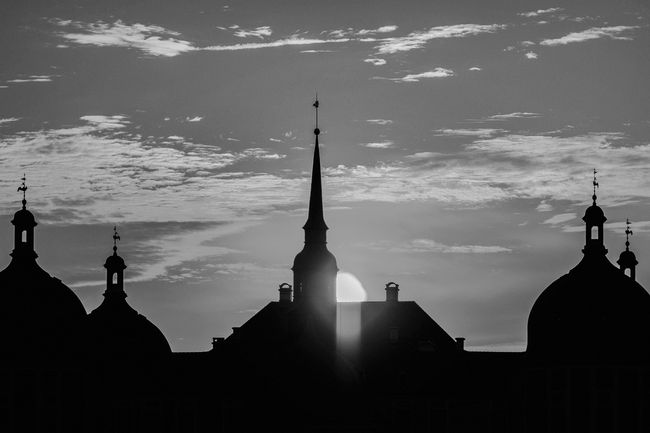
Sunrise is often seen as a natural symbol of new beginnings. Many ancient cultures, including the Egyptians, Greeks, and Romans, viewed the rising sun as a symbol of renewal in the cycle of life. Those same themes were significant in Christianity and its architecture, influencing how churches were designed and, in many cases, which direction they faced: east. In fact, the word “orient” comes from the Latin oriens, meaning “east” or “rising sun.”
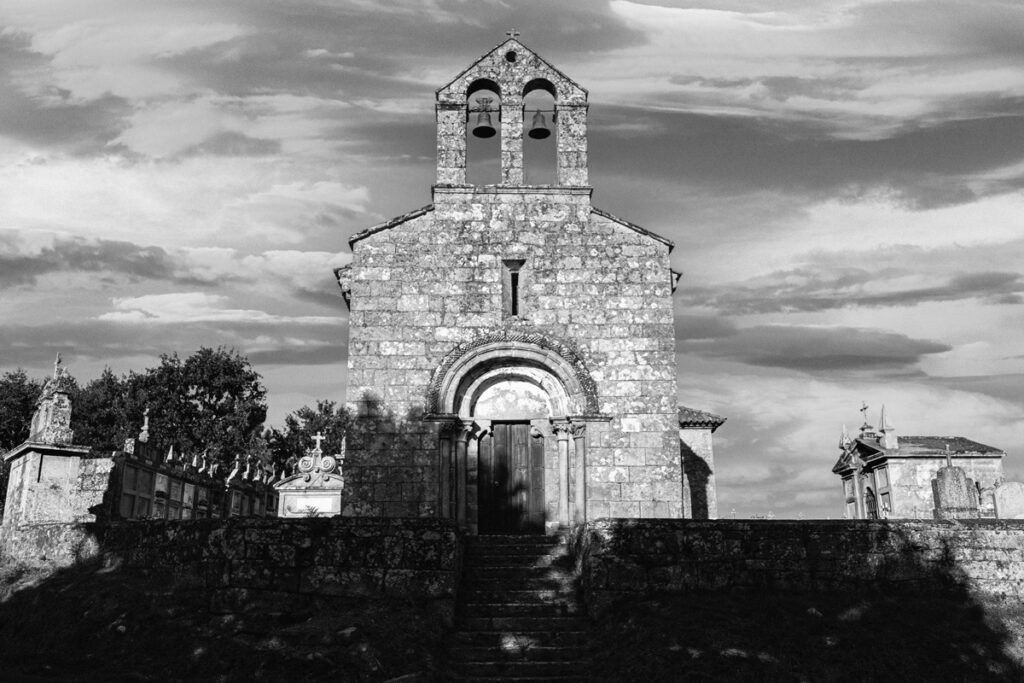
Turning Toward the Light
By the late second century CE, Christians were already known for praying while facing east. The practice was so notable that, according to the Christian author Tertullian, some outsiders mistakenly suspected them of sun worship. But in Christian belief, Jesus’ resurrection represents the promise of eternal life, and the sun’s daily return in the eastern sky after the darkness offers a fitting visual parallel.
In his third-century text On Prayer, the Christian scholar Origen wrote that facing east directed the soul toward the rising of the “true light” of Christ. By the late fourth century, the belief had also influenced written instructions for church design: The Apostolic Constitutions, a collection of Christian teachings compiled dated from 375 CE to 380 CE, recommended building churches facing east — specifically, with the altar at the eastern end and the entrance at the western end, so worshippers could face east while praying. This differed from Jewish tradition, in which worshippers faced Jerusalem in prayer.
Christians also believed that Christ would make his prophesied return to Earth from the east. The rising sun represented both Christ as a source of spiritual light and the hope of his Second Coming.
More from our network





The Eastern Altar
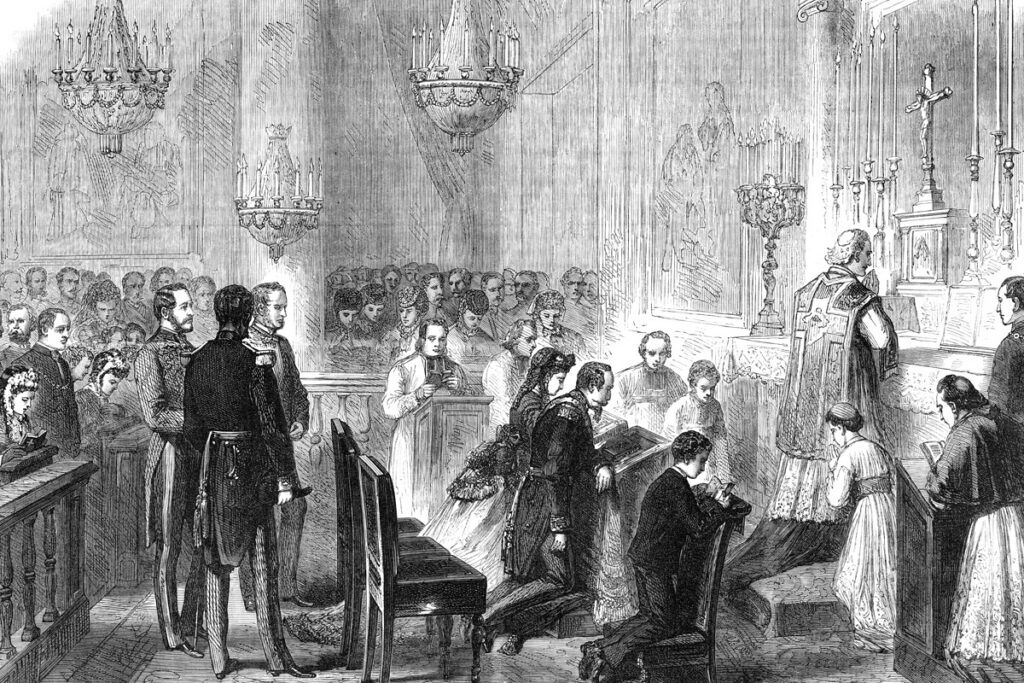
By the eighth century, placing the altar at the eastern end of the church was common in parts of Europe. This meant that worshippers faced east — toward the rising sun and its symbolism of Christ’s resurrection — during services. During prayer, the priest would also face east, praying in the same direction as the congregation rather than toward them.
But church layouts varied. In some early churches, including Old St. Peter’s Basilica, the original basilica of St. Peter’s in Rome, the layout was reversed, with the altar positioned toward the western end and the entrance to the east. This meant the priest could stand behind the altar, facing east toward the entrance and the congregation that was gathered between him and the doors.
Practical considerations also played a role in how churches were built and what directions they faced. Existing buildings, nearby streets, and the surrounding landscape could all affect a building’s alignment, meaning that churches did not always face due east on a compass. In England, some churches may have been aligned with the exact spot of the sunrise on significant dates in the Christian calendar, such as a patron saint’s feast day or Easter, though researchers continue to debate how widespread this practice really was.
What About Today?
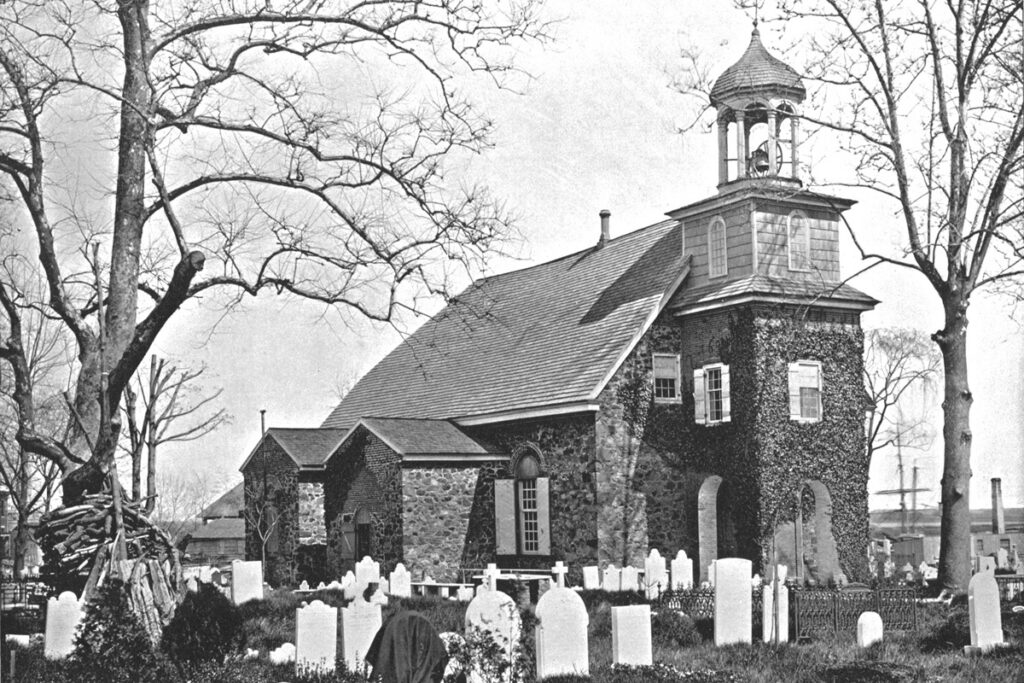
By the 16th century, eastward orientation had become less of a requirement in church design. The Protestant Reformation gave rise to Protestant churches, which tended to put emphasis on simplicity and preaching. Church design focused less on eastward orientation and instead on the pulpit. While east was still the recommended orientation, architects increasingly had to accommodate existing streets and buildings of the surrounding area, so church altars no longer always faced the rising sun.
This change can be seen in the churches European settlers built in America, as well. A 2023 study examined 332 historic east-facing churches in the eastern United States, dating from the 17th to the 19th centuries. As in Europe, some indeed faced due east and some were aligned with the sunrise on particular Christian feast days, but others generally followed land surveys rather than the traditional eastward orientation.The tradition, of course, hasn’t disappeared entirely: Many Eastern Orthodox churches still place the altar at the eastern end of the building, preserving one of early Christianity’s defining practices.


