
America had a city of sin before Las Vegas.
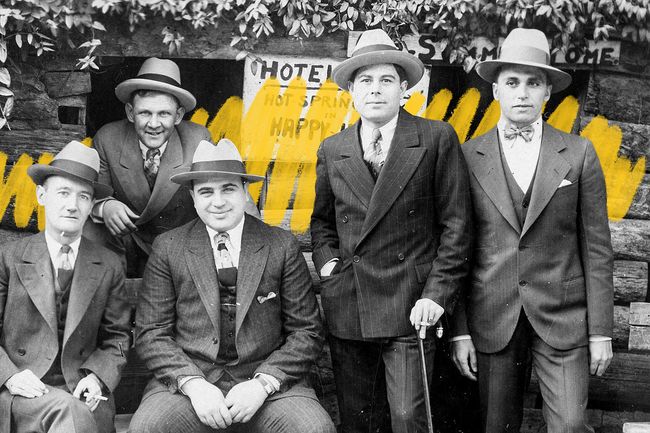
Long before Las Vegas became synonymous with vice, an unlikely Arkansas resort town was well known for its indulgent pursuits. Nestled in the Ouachita Mountains, the city of Hot Springs had drawn Indigenous peoples to its mineral waters for thousands of years. By the early 1800s, European settlers were also flocking to the area in search of the hot springs’ supposed healing benefits, and by the early 20th century, a popular spa town full of bathhouses and hotels had grown around them.
But Hot Springs offered more than a therapeutic soak: Illegal gambling began taking place in the late 19th century, and it especially thrived in the 1920s and ’30s, when Prohibition added bootleg liquor to the mix. The town’s reputation attracted some of America’s most infamous gangsters, including Al Capone and Lucky Luciano. In Hot Springs, they could indulge in gambling and nightlife with little fear of interference from authorities. Politicians such as Mayor Leo McLaughlin and Governor Orval Faubus were notorious for looking the other way for a price — estimates put mob payouts to Faubus and his affiliates at a minimum of about $100,000 a year.
But the party couldn’t last forever. In 1967, newly elected Arkansas Governor Winthrop Rockefeller, the grandson of John D. Rockefeller, ordered state police to raid and shut down Hot Springs’ illegal gambling establishments. In an unlikely last concession, authorities made no arrests and left millions of dollars in casino counting rooms untouched.
After the crackdown, Hot Springs went into decline, and it took decades for the town to reinvent itself as a tourist destination centered on its historic bathhouses. Meanwhile, 1,400 miles to the west, Las Vegas was booming, earning its reputation not as America’s first city of sin, but certainly as its most famous.


