




Why Front Porches Slowly Disappeared
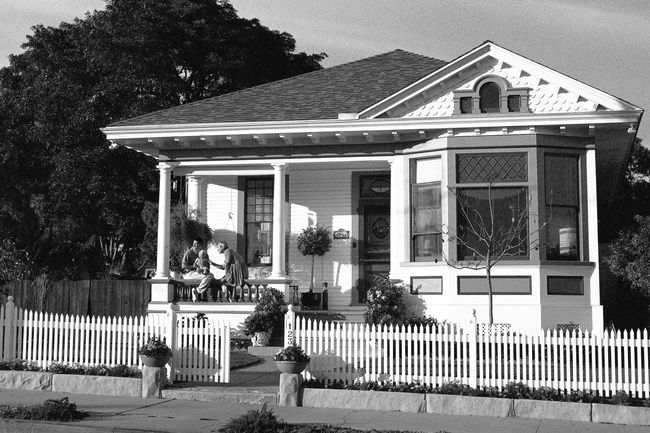
On a warm evening a century ago, the front porch might have been the most inviting place in the house. One member of the family may have been settled comfortably in a rocking chair, while another read the newspaper on the front steps. A neighbor walking past might have stopped near the porch to talk, while another waved from across the street. No one needed to arrange a visit; being out on the front porch made you available for one.
For generations, porches offered shade and a place to catch a breeze, but they also connected private homes to public life. You can think of them almost as an early form of a social network. Yet during the 20th century, Americans began to spend less time on their porches, and newly built homes increasingly left them out of the design. What changed?
When the Porch Lost Its Quiet
In the golden age of the porch in the late 19th century, the structure offered its occupants something to watch: neighbors strolling, children playing, animals scampering. Photographs collected by the Henry Ford Museum show families posing on their porches, relaxing there, or even using them as places to work and sleep. The porch could serve as an outdoor living room, with a view of the whole neighborhood.
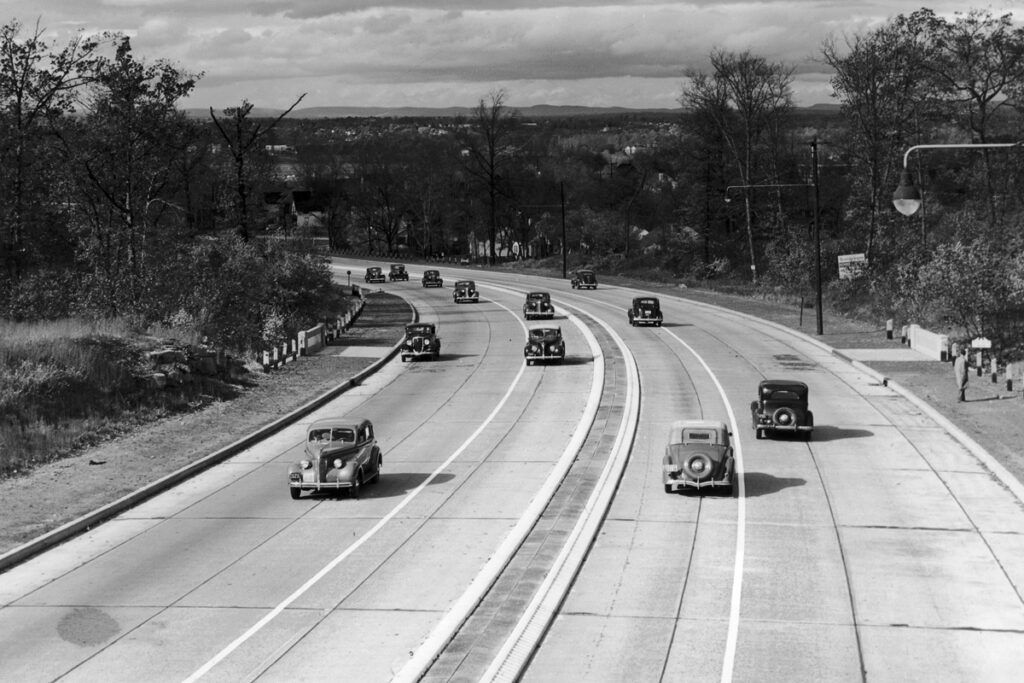
But cars changed both the view and the experience of sitting outside. As automobile and truck traffic increased in the 1920s and ’30s, the street became a noisier, dirtier place to spend an evening. People in some areas began using their front porches less. Cars also gave families more ways to spend their leisure time: Instead of waiting to see who might stroll by, they could drive to visit friends or find entertainment elsewhere.
There were other technological advancements that altered the porch’s prominence, too. For example, the telephone changed social visiting habits, making it easier for friends and neighbors to chat without having to be in each other’s presence.
Neither the car nor the telephone ended porch life overnight, of course. But together, they made casual encounters at the front of the house a smaller part of some families’ days.
More from our network





Why Porches Became Uncool
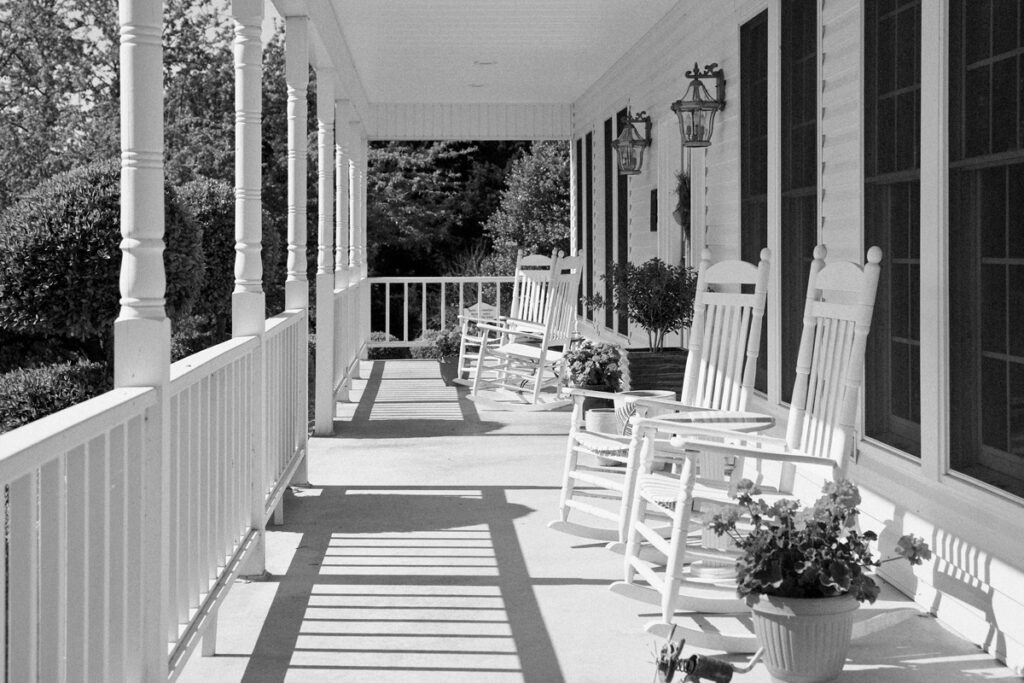
Before home air conditioning became widely available, sitting on a shaded porch was a practical way to escape a stuffy house. On summer evenings, it offered relief and a breeze. Some households even used screened porches as places to sleep during hot weather, though such sleeping porches were often separate from the street-facing porch.
But as air conditioning became affordable to more households around the mid-20th century, families in many parts of the country could find more relief indoors than outside. This drew much day-to-day summer life off the porch and into the cool, inviting interiors of the house.
Also around the middle of the 20th century, television offered another reason to stay inside. The porch had once provided a cool seat and a changing scene; now, thanks to TV, the living room could provide comfort and entertainment all at once.
From the Front Porch to the Backyard
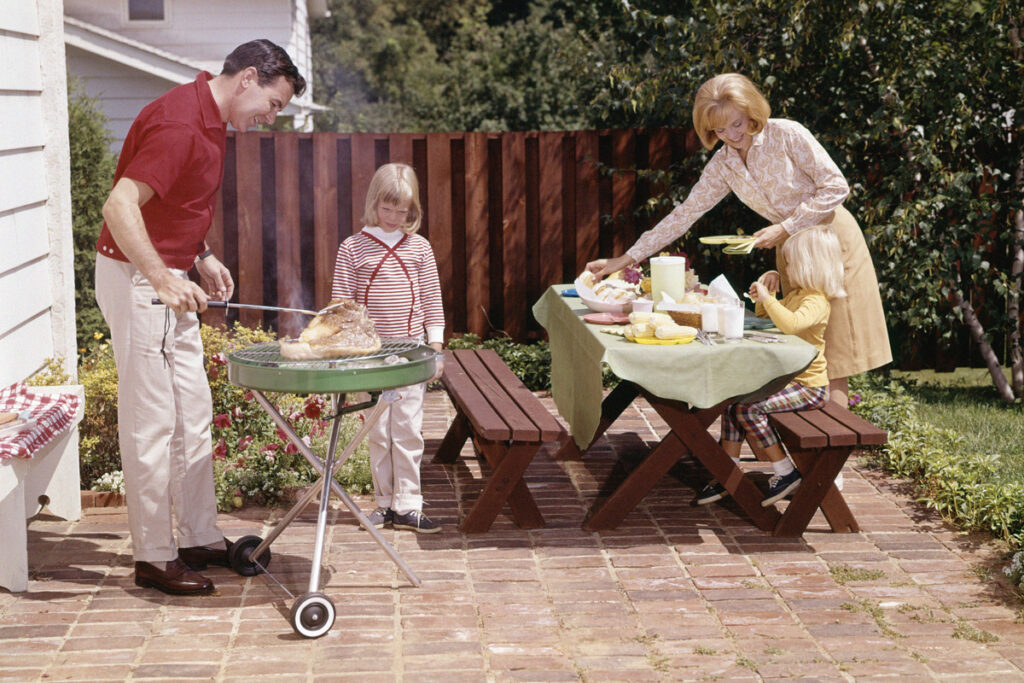
Americans hadn’t lost their appetite for spending time outdoors, of course, but they changed where they did it. During the post-World War II housing boom, new and more streamlined construction styles often omitted the large front porch, favoring back patios, decks, and backyard areas instead. As postwar families moved into suburban neighborhoods, the area behind the house became a place to play, grill, and entertain friends. Fences and shrubs offered separation from adjacent properties.
Moving social activities from the front of the home to the back altered what a house presented to its neighbors. The front might offer a tidy lawn, a short path to the door, and a garage, while the chairs and conversation were out of sight in the backyard. The porch had allowed people to be at home and part of the street at the same time. A private patio gave them control over when to see other people — one reason the change appealed to many families.
Front porches never fully vanished, of course — and their popularity even seems to have risen again in recent years. During the COVID-19 pandemic, they were particularly useful for open-air socializing. According to figures from the National Association of Home Builders, more than two-thirds of new single-family homes since 2024 have a porch, most commonly at the front.
Those figures tell us what builders include, though, rather than how often anyone sits outside on a rocking chair. But remember, the next time you see someone sitting on a front porch, it doesn’t hurt to give a neighborly wave.


