




5 of the Longest Wars in History
War rarely follows a strict schedule. Fighting flares, subsides, and then sometimes flares up again, and a peace agreement that seems decisive can fall apart. Determining the longest war in history can therefore be a little tricky, and historians don’t always agree on the beginnings and ends of conflicts.
This list of historically lengthy wars excludes broad rivalries with numerous separately named conflicts (such as the nearly eight-century-long Reconquista, in which Christian states tried to reclaim much of the Iberian Peninsula from Muslim control). Instead, it focuses on named wars with generally recognized beginnings and endings, though there were sometimes years of truce or relative calm. Here are five of the longest individual wars in recorded history — records of the kind no one should hope to beat.
Hundred Years’ War
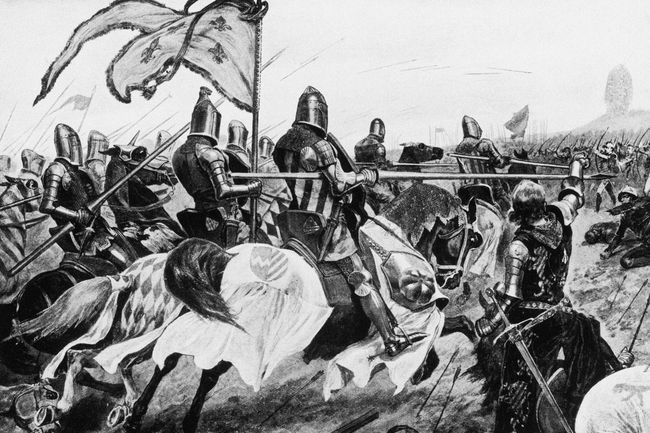
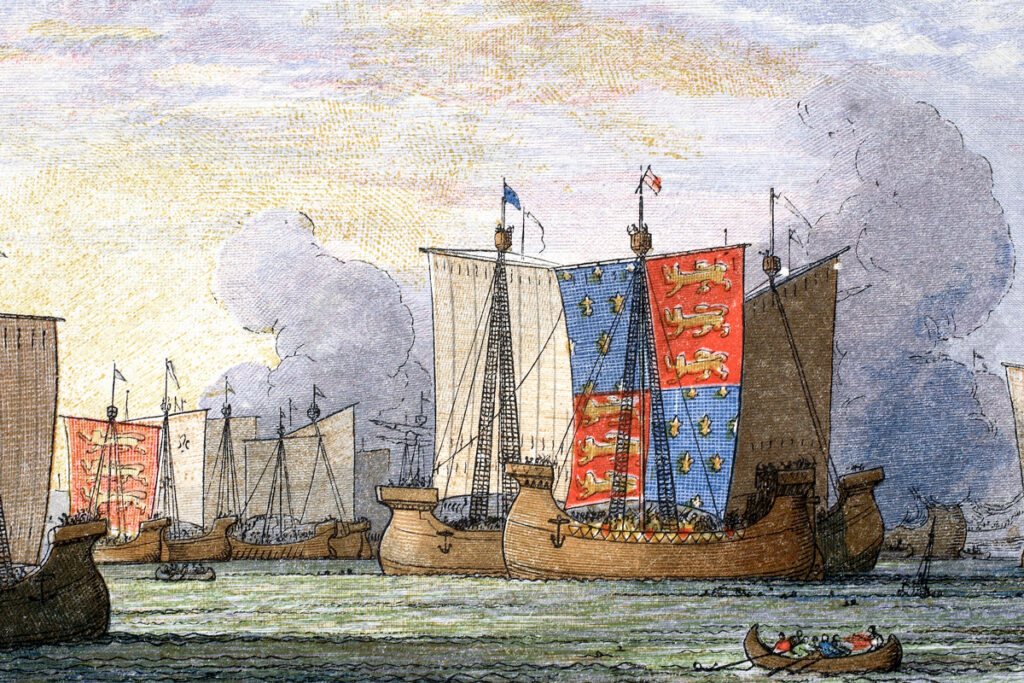
Despite its slightly misleading name, which was coined in the 19th century, the Hundred Years’ War lasted 116 years, from 1337 to 1453. The conflict grew out of England and France’s tangled feudal and dynastic relationship, including a strange situation in which English kings controlled territory in France but held those lands as vassals of the French monarch. Matters became even more complicated when Edward III of England claimed a right to the French crown through his mother, Isabella of France. In 1337, France’s Philip VI confiscated the English-controlled duchy of Aquitaine (also known as Guyenne), marking the conventional start of the war.
The conflict that followed was an intermittent struggle with periods of intense campaigning separated by truces and relative calm — not 116 years of continuous battle. Peace agreements, political upheavals, and the Black Death repeatedly interrupted the fighting, only for successive monarchs to revive old territorial and hereditary claims. The war is generally divided into three major phases (the Edwardian, Caroline, and Lancastrian periods), including a lull of more than two decades before Henry V renewed the English invasion in 1415.
England came closest to uniting the crowns in 1420, when the Treaty of Troyes named Henry V heir to the French throne. Henry died before he could inherit it, but his infant son, Henry VI, was proclaimed king of both England and France and later crowned in Paris. His claim remained fiercely disputed, however, and a French resurgence — famously aided by Joan of Arc — gradually reversed England’s gains. French forces recovered Normandy and then Aquitaine, defeating the English at Castillon in 1453 in what is usually considered the war’s final major battle. Although no peace treaty marked the war’s conventional end that year, England was left with only Calais among its former French possessions, and major hostilities ceased.
More from our network





Eighty Years’ War
In 1555, Holy Roman Emperor Charles V transferred rule of the Low Countries (roughly covering what is now the Netherlands, Belgium, Luxembourg, and parts of northern France) to his son Philip, who became King Philip II of Spain the following year. The provinces were accustomed to substantial local autonomy, and Philip’s attempts to centralize authority, raise taxes, and suppress Protestantism intensified existing political, economic, and religious tensions.
Resistance hardened after Philip sent in Spanish troops under the Duke of Alba, whose harsh governing policies further alienated local nobles and townspeople. Dutch noble William the Silent organized an armed campaign against Spanish rule in 1568, and the victory of forces commanded by his brother Louis of Nassau at the Battle of Heiligerlee is generally treated as the war’s opening.
The conflict endured because Spain would not readily relinquish its wealthy provinces, while regional and religious divisions among the rebels prevented a quick, comprehensive victory. Seven northern provinces formed the Union of Utrecht in 1579 and formally rejected Philip’s sovereignty two years later, eventually establishing the Dutch Republic. The war paused during the Twelve Years’ Truce of 1609 to 1621, but resumed amid the wider Thirty Years’ War. Spain finally recognized the independent Dutch Republic in the 1648 Treaty of Münster, part of the broader Peace of Westphalia settlement. The southern provinces, however, remained under Spanish Habsburg rule, and after many twists and turns, most eventually became part of modern Belgium.
First War of Scottish Independence
Scotland entered a succession crisis after King Alexander III died in 1286 and his young heir, Margaret, known as the Maid of Norway, died four years later after falling ill at sea. Scottish leaders asked Edward I of England to judge between the claimants to the vacant throne, and Edward selected John Balliol as King of Scots — but also asserted his own authority over Scotland and repeatedly interfered in its affairs. Balliol eventually allied with France and rejected Edward’s demands, prompting the English king to invade Scotland in 1296.
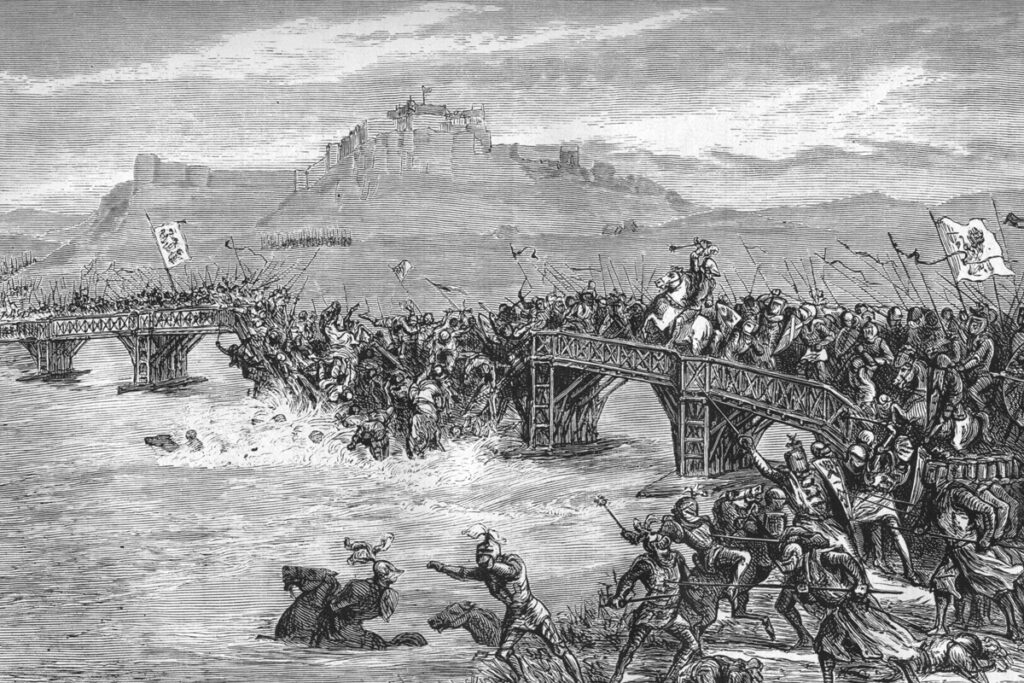
What followed was a 32-year struggle that continued through several dramatic reversals. Scottish leaders William Wallace and Andrew Murray led an early resistance, while Robert the Bruce began a new uprising in 1306 and was crowned King Robert I. His victory at Bannockburn in 1314 secured his position within Scotland, but England still refused to recognize either his title or Scottish independence. That diplomatic stalemate continued until political upheaval removed Edward II from the English throne. Robert responded with a fresh invasion of northern England, helping persuade the new government to negotiate. The 1328 Treaty of Edinburgh-Northampton recognized Robert as Scotland’s king and Scotland as an independent kingdom, ending the first war — although a second struggle began only four years later.
Peloponnesian War
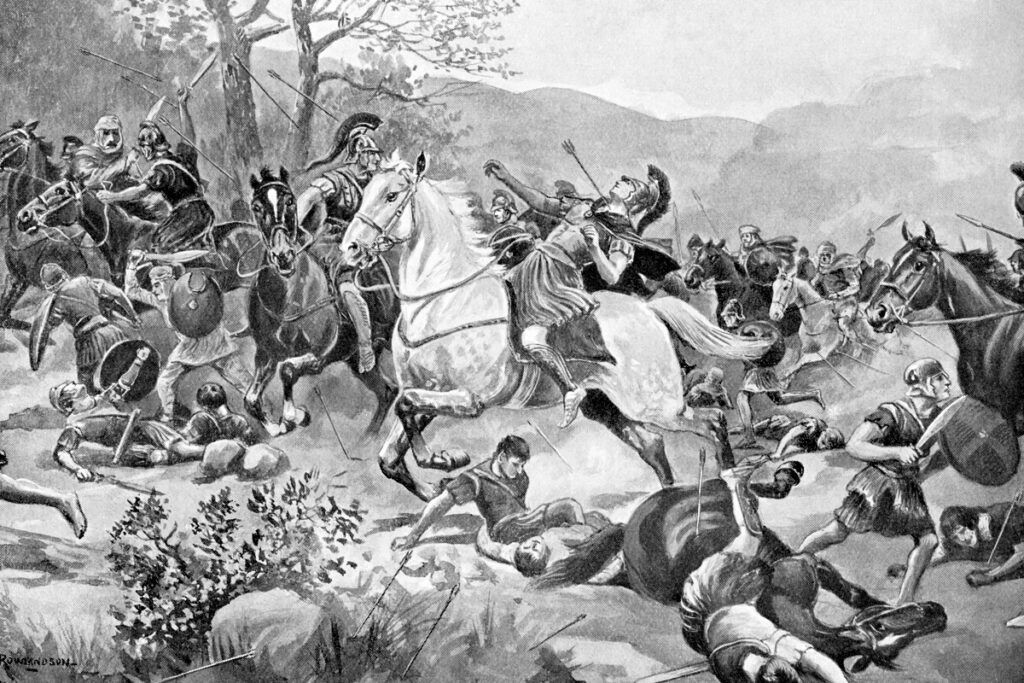
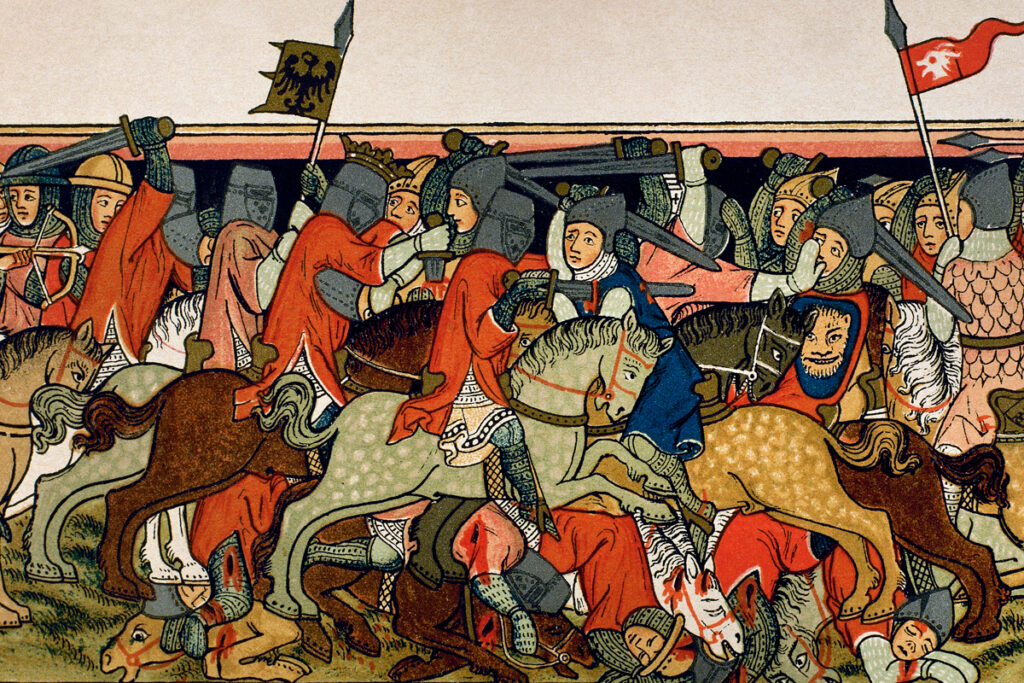
By the fifth century BCE, Athens and Sparta headed the two most powerful alliances in ancient Greece. Athens dominated the seas through an alliance of city-states known as the Delian League, while Sparta led a collection of formidable land powers known as the Peloponnesian League, named for the peninsula on which Sparta was located. The two city-states had already fought once and reached an uneasy peace, but tensions escalated after Athens supported Corcyra (modern-day Corfu) in a dispute with Corinth, a Spartan ally. When the Spartan ally Thebes attacked the Athenian ally Plataea in 431 BCE, open war began.
The conflict lasted 27 years altogether, although the fighting was interrupted by the six-year Peace of Nicias beginning in 421 BCE. That agreement proved fragile, and Athens’ ill-fated attempt to conquer Sicily helped rekindle full-scale hostilities. Neither side could easily defeat the other: Sparta held the advantage on land, while the Athenian navy kept the city supplied and protected its far-flung empire. The stalemate finally broke after Persian funding helped Sparta build a competitive fleet. With its navy defeated and food supplies cut off, a starving Athens surrendered in 404 BCE. It was forced to dismantle its defensive Long Walls, surrender most of its ships, and follow Sparta’s foreign policy. Today, the war is in part remembered because of the eyewitness account by Thucydides, the great historian and Athenian general who penned History of the Peloponnesian War. Notably, he looked for the human causes of the war, rather than seeing it all as the work of the gods.
Aceh War
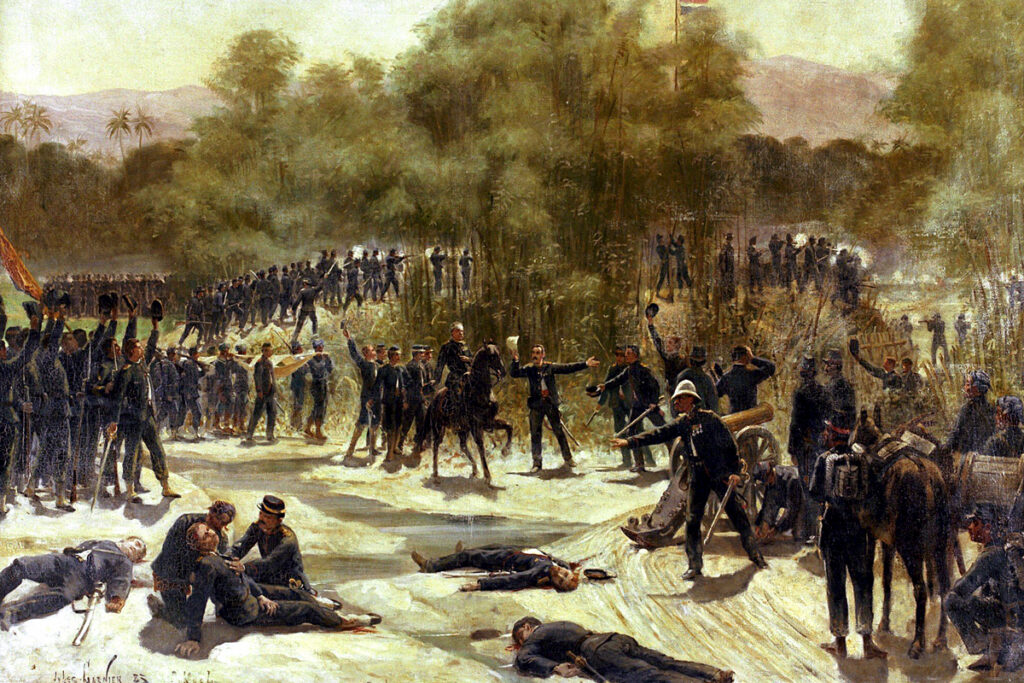
The Aceh War (also sometimes called the Acehnese War) grew out of Dutch efforts to extend colonial control over the Indonesian archipelago, part of broader Dutch colonial expansion in the late 19th century. The independent and predominantly Muslim Sultanate of Aceh occupied a commercially and strategically important position at the northern end of the large Indonesian island of Sumatra and had become a regional power in the 17th century. In March 1873, the Netherlands declared war on Aceh and launched the first of two expeditions that year, beginning a war that lasted 31 years by most reckonings.
Dutch troops captured the sultan’s palace in 1874, but this symbolic victory did not give them control of Aceh. After the reigning sultan died, the Acehnese installed the young Muhammad Daud Syah as his successor. He resisted Dutch rule for nearly three decades before surrendering and acknowledging Dutch sovereignty in 1903. His surrender did not end the wider resistance, however, and although the Netherlands declared the conquest complete in 1904, the conflict continued as a guerrilla war in the countryside. Like many of history’s longest wars, the Aceh War demonstrated that winning major victories was one thing, but establishing lasting control was quite another.


