



5 Historical Figures Who Were Picky Eaters
Picky eating isn’t limited to children refusing their vegetables. History is full of prominent adults who approached mealtime with strong opinions about what belonged on their plates. Some were guided by taste, while others followed elaborate health theories, philosophical beliefs, or deeply ingrained rituals. Fortunately for these five famous figures, someone else was usually available to accommodate their culinary demands.
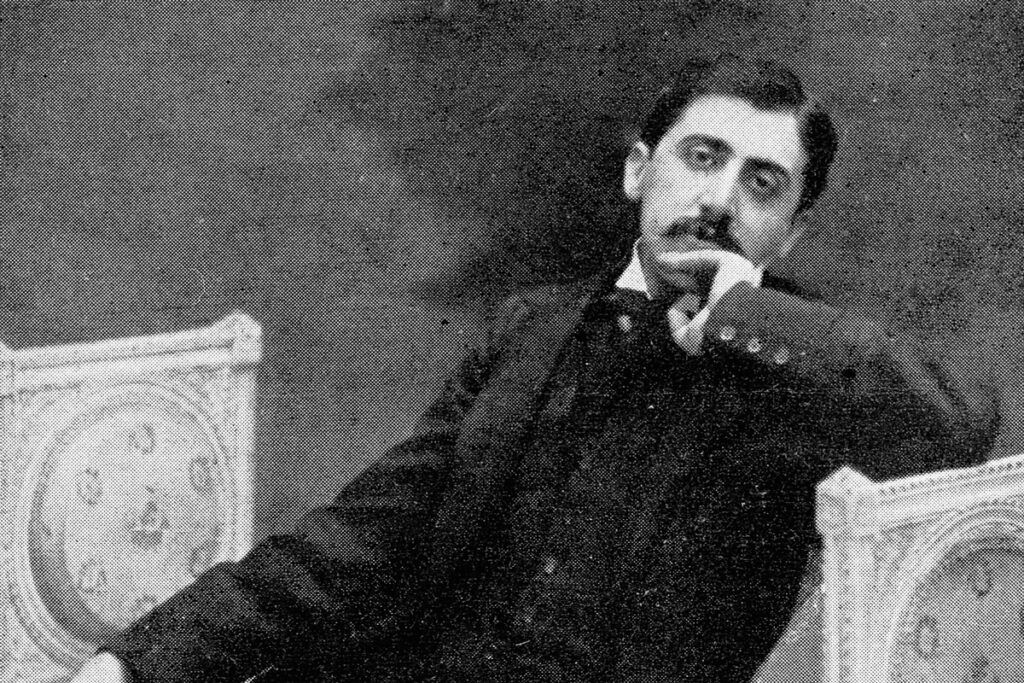
Marcel Proust
Food plays a memorable role in Marcel Proust’s writing, but during his later, reclusive years, the French novelist barely ate at all. His housekeeper, Céleste Albaret, recalled that his usual daily nourishment was two bowls of café au lait and two croissants — and sometimes only one croissant. When World War I made croissants difficult to obtain, Albaret tried offering him biscuits instead, but Proust politely declined them.
He occasionally requested a little chicken or fried sole, one of the few dishes he generally finished. Very occasionally, the request was for mullet, but his demands were very specific: The fish had to be small, come from Marseilles, and be purchased from one particular Paris shop because nowhere else carried specimens of the correct freshness and succulence.
Most other dishes went untouched or were returned after a few distracted bites. Albaret reported that in eight years, she never saw him eat so much as a mouthful of bread. His severely restricted diet was closely connected to his chronic illnesses, but when appetite struck, he wanted specific dishes that reminded him of his youth — fitting for the author of In Search of Lost Time.
More from our network





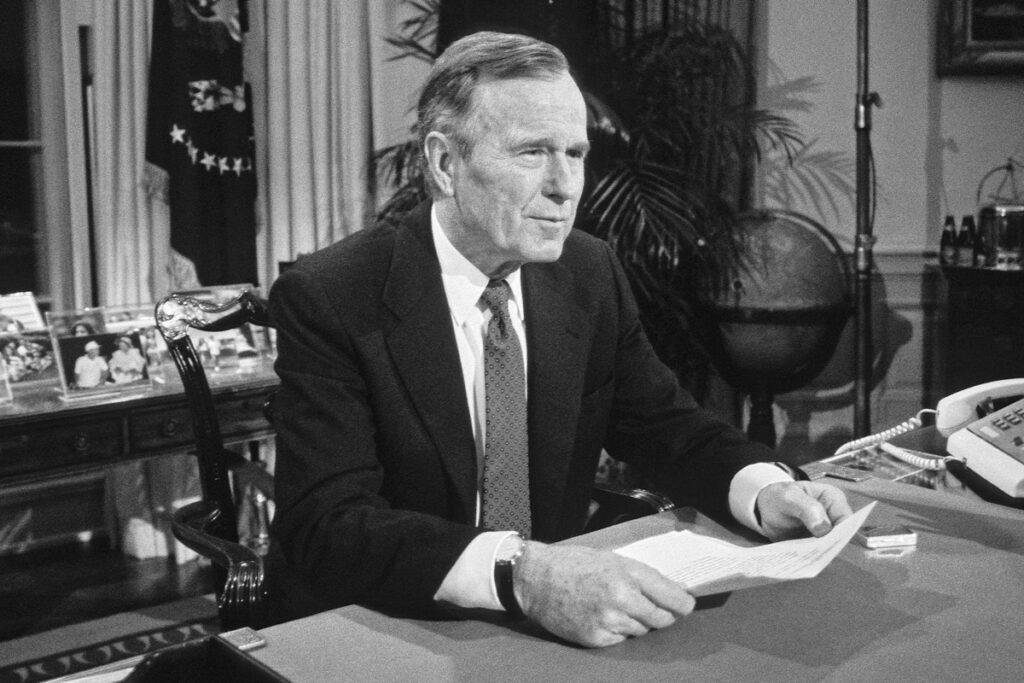
George H.W. Bush
When George H.W. Bush became president, he finally acquired a power dreamed of by picky children everywhere: the ability to banish broccoli. The vegetable was reportedly forbidden aboard Air Force One, and in 1990 Bush publicly explained his position. “I do not like broccoli,” he told reporters. “And I haven’t liked it since I was a little kid and my mother made me eat it. And I’m president of the United States, and I’m not going to eat any more broccoli!”
His aversion apparently extended beyond that single vegetable. George W. Bush even mentioned in his father’s eulogy that “the man couldn’t stomach vegetables, especially broccoli.” The elder Bush much preferred hamburgers, hot dogs, nachos, pork rinds, ice cream, and other foods more readily found at a ballpark than in the White House vegetable garden.
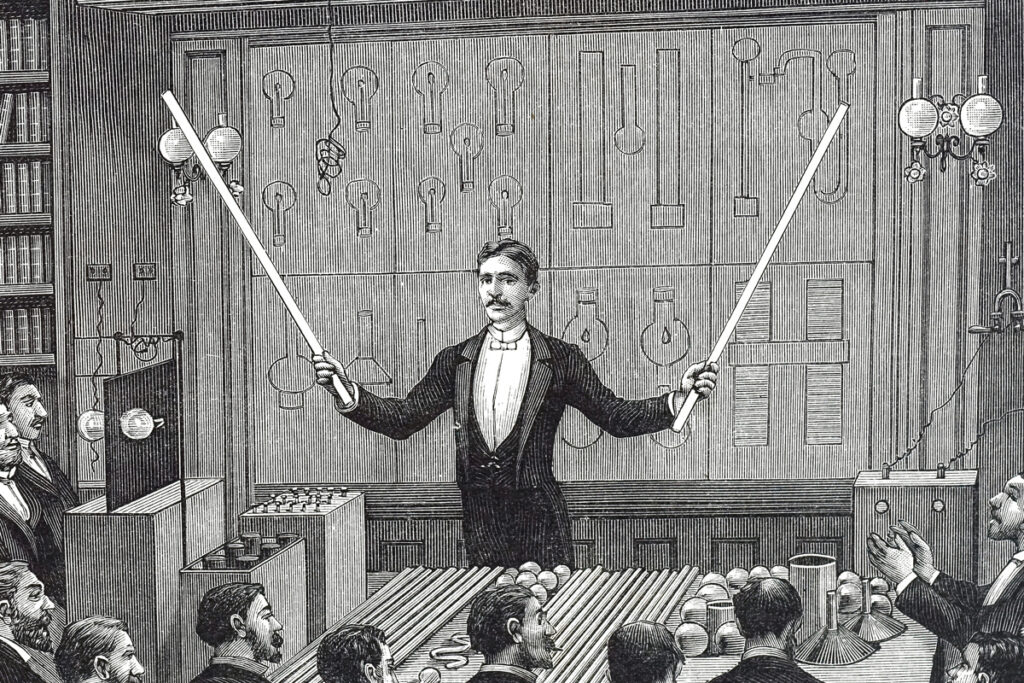
Nikola Tesla
Inventor Nikola Tesla approached dinner with roughly the same precision he brought to electrical engineering. Tesla once wrote that he had to calculate the volume of his soup plates, coffee cups, and pieces of food; otherwise, “my meal was unenjoyable.” Repeated actions had to be divisible by three, and he claimed that merely looking at a peach could give him a fever.
Tesla also spent years experimenting with restrictive diets. For one stretch, he lived largely on milk, beef juice, and purées, believing that nearly liquid food placed less strain on the digestive system. At 78, he reported eating only two meals per day, consuming meat just once or twice a year, and eating egg whites while avoiding the yolks. He had also partly subsisted for years on a mixture of cooked onions, celery, and butter. For Tesla, apparently, even refueling the human body required extensive calculations and a carefully designed operating system.
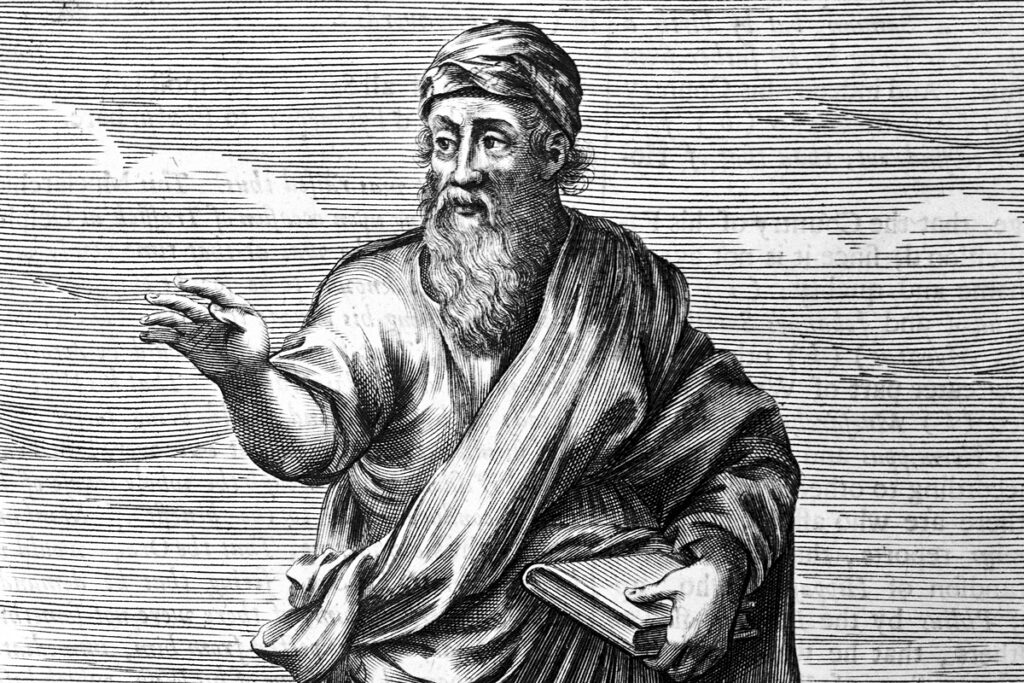
Pythagoras
Pythagoras is a special case: The ancient Greek philosopher’s avoidance of fava beans was apparently rooted in philosophical or religious beliefs rather than their flavor. Unfortunately, no one is entirely certain what those beliefs were, because he left no verifiable writings.
Later ancient writers offered numerous explanations. Pythagoreans may have believed that beans contained the souls of the dead or that their hollow stems connected Earth with the underworld. Aristotle suggested that beans were rejected because colored beans were used as ballots in elections (Pythagoras was against democracy). Other explanations involved their resemblance to human flesh or their tendency to produce gas. Modern scholars have even wondered whether the distaste had a connection to favism, a potentially dangerous genetic reaction to fava beans that is especially prevalent around the Mediterranean. There’s also a legend that Pythagoras died after refusing to escape through a field of flowering beans, although the story is far from established fact.

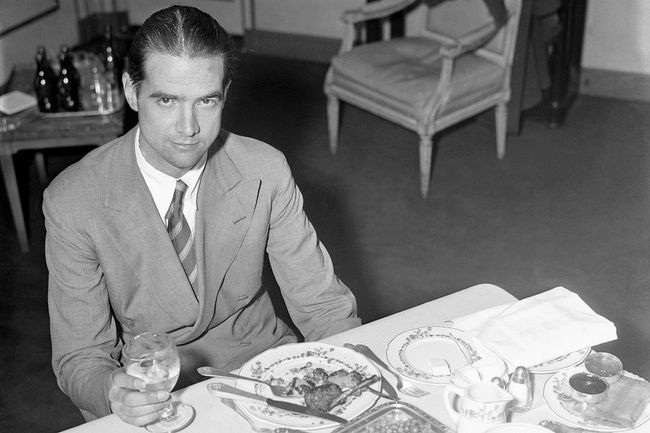
Howard Hughes
According to his longtime financial adviser and chief executive Noah Dietrich, Howard Hughes ordered the same dinner throughout their more than 30-year association: a medium-rare New York strip steak, salad, and peas — small ones. Hughes pushed the larger peas aside, then finished his meal with vanilla ice cream and cookies.
Breakfast was similarly controlled. His scrambled eggs had to taste exactly like those made by Lily, his family’s cook in Houston. When the Ambassador Hotel repeatedly failed to reproduce them, Hughes summoned the chef and requested a portable stove, skillet, eggs, and milk. He then personally demonstrated the proper method: Warm the milk in the skillet without scalding it, add the eggs, and scramble. For Hughes, handing the chef an order was apparently less efficient than giving him a private cooking lesson.


