




The Horrifying Ways People Used To Clean Their Teeth
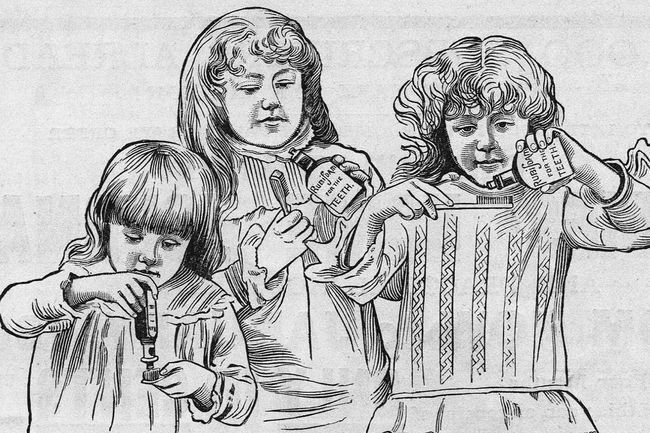
Imagine beginning your morning by rubbing powdered glass and burned hare’s head onto your teeth, then thoroughly rinsing with child’s urine. At various points in history, this might have counted as a meticulous dental routine.
People have tried to keep their teeth clean for thousands of years, but the familiar combination of a nylon toothbrush and minty paste is relatively recent. In fact, some of the dental cleaning tips earlier medical authorities recommended now sound misguided, disgusting, or downright dangerous. If you weren’t already thankful for modern dentistry, the methods below might change your mind.
A Rough Approach to Clean Teeth
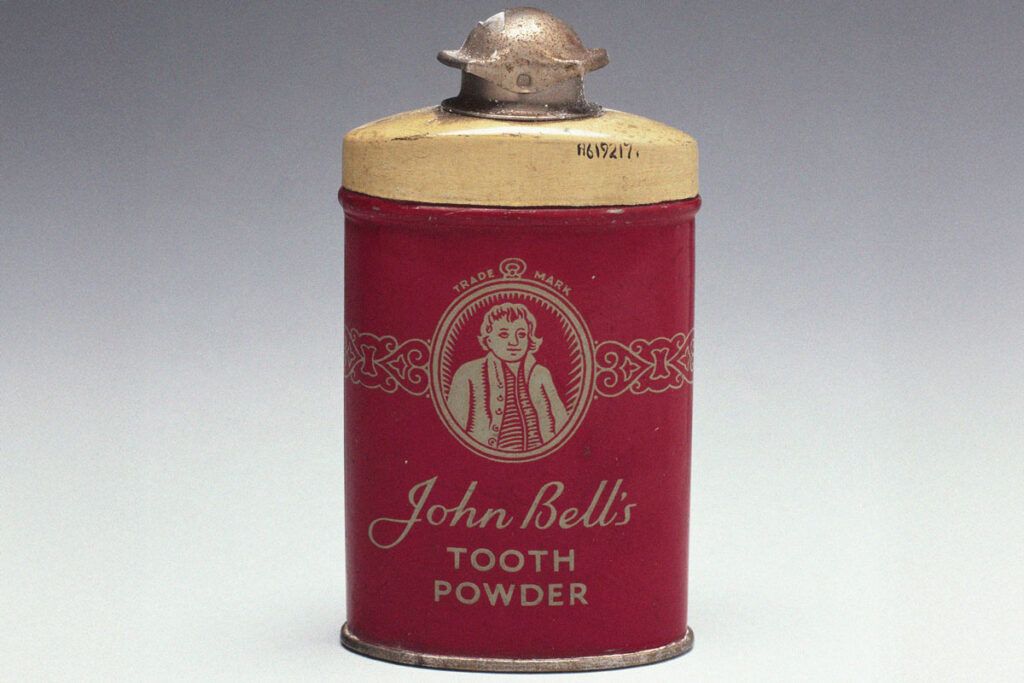
Long before the invention of the toothbrush, people often applied cleaning powders directly with their fingers or a piece of cloth. Ancient Egyptian tooth powders contained pumice, burned eggshells, and the powdered ashes of ox hooves. Pumice is abrasive enough to scrub away stains and is still used by dental professionals, but ox hoof ash has understandably fallen out of favor.
Greek physicians offered their own unusual formulas. Hippocrates, who lived during the fifth and fourth centuries BCE, recommended dentifrices (a fancy name for toothpaste or tooth powder) made with burned hare heads and mice. This may have reflected a then-dominant view that animal qualities could be transferred to humans by using their body parts in certain ways; presumably, these qualities had to do with the fact that mice and hares are good at nibbling.
Other advice attributed to Hippocrates was a little more recognizable: He suggested cleaning the teeth with chalk and rinsing after meals with a mixture of dill, aniseed, myrrh, and white wine. Chalk, like pumice, is still used in modern dental care, though white wine is not often recommended.
Not all ancient abrasives came from the animal kingdom. The famed Roman-era physician Galen recommended sun-dried radish powder. For a more extravagant polish, he suggested finely pulverized white glass mixed with fragrant spikenard oil (muskroot). The Greek physician Pedanius Dioscorides, meanwhile, prescribed oyster shells and ground deer antlers (as well as lizard livers as cavity fillings), and Pliny the Elder favored antler ash added to the ground antlers.
More from our network





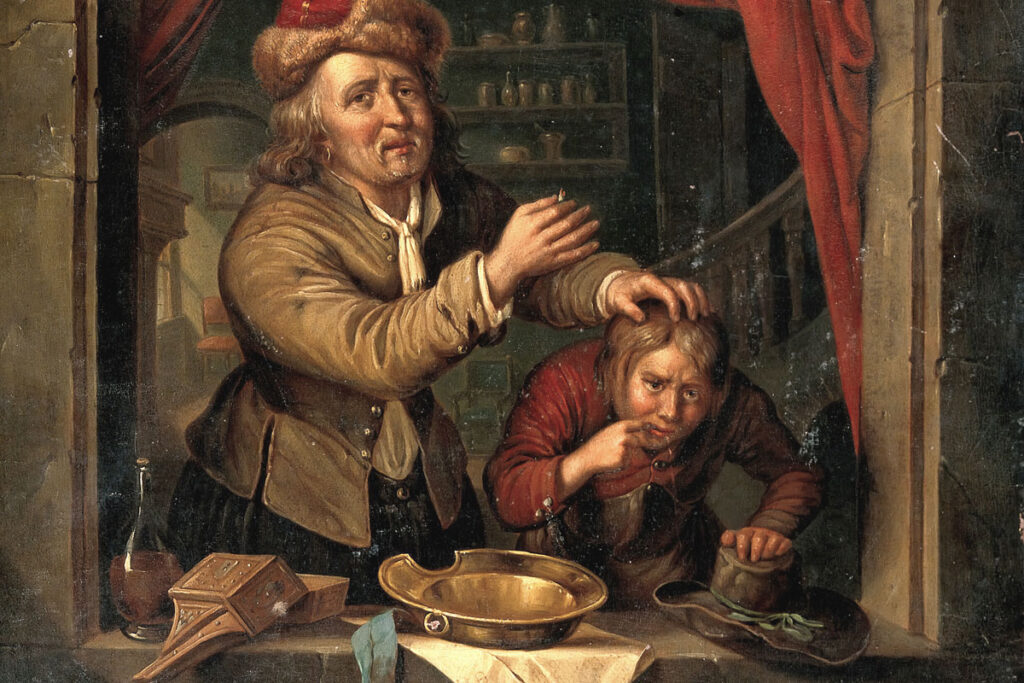
Cuneiform tablets from the great library of the Assyrian King Ashurbanipal at Nineveh (in modern-day Iraq) preserved one particularly vigorous treatment: “If a man’s teeth are loose and itch a mixture of myrrh, asafetida and opopanax, as well as pine-turpentine shall be rubbed on his teeth until blood comes forth and he shall recover.” The bleeding was apparently a sign that the treatment was working rather than a warning to stop.
European formulas remained heavily dependent on abrasive oddities for centuries. By the 1600s, tooth powders may have contained ground china, coral, cuttlebone, or crab shells, sometimes accompanied by pulverized pearls.
Yet several ingredients in historical dentifrices did have useful properties. Salt, charcoal, chalk, and pumice could remove debris or stains, while mint, myrrh, and aromatic oils improved breath. The trouble was that overly harsh powders could also wear away enamel — something Persian and Islamic medical writers in the Middle Ages warned against.
The Most Unappealing Mouthwash
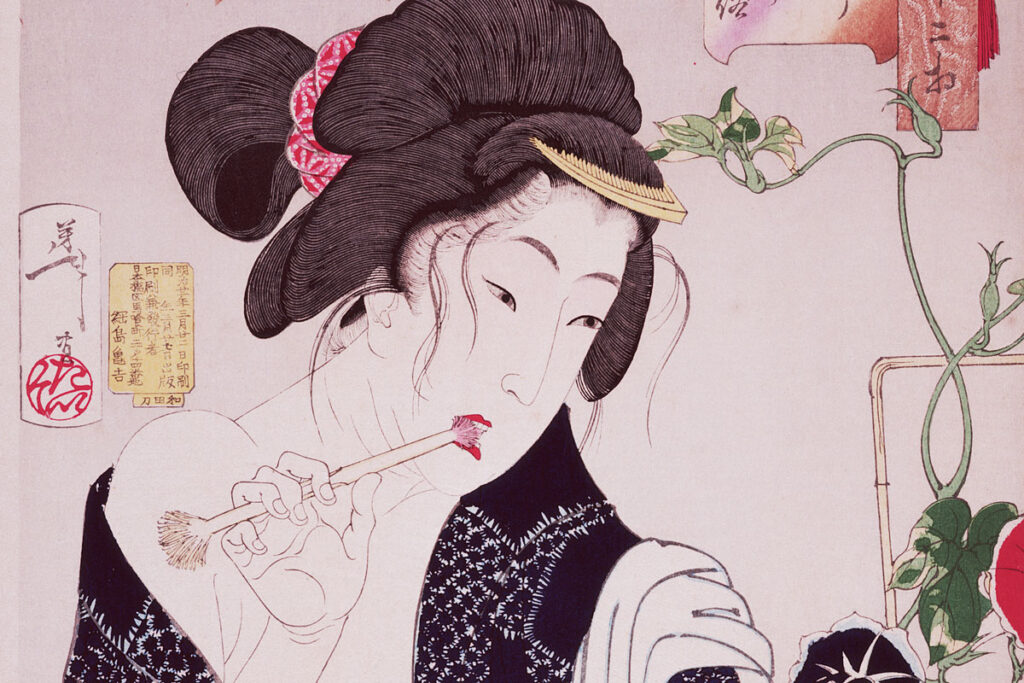
Urine appeared repeatedly in the history of oral care. A Chinese medical tradition dating to around 2700 BCE recommended rinsing with a child’s urine to treat gum disease. Roman sources also describe urine being used to wash the mouth and teeth; the poet Catullus even recommended gargling daily with one’s own urine. Urine contains ammonia, which can act as a cleaning and bleaching agent, although that does not make it an advisable mouthwash.
The practice of using urine also arose independently in the Americas. The 16th-century Florentine Codex, an important source on life in the Aztec Empire, advised several methods for preventing plaque, including scrubbing teeth with ground charcoal, rinsing with salt water, and scraping away hardened deposits with metal. Its more memorable suggestions included applying mixtures of cochineal (a tiny insect known for producing bright red dye), chile, alum, and salt, or rinsing the teeth with urine.
Not every early method was so alarming. Frayed chewing twigs, used in ancient India, Mesopotamia, Egypt, and elsewhere, functioned much like simple toothbrushes and remain in use today. Still, the modern bathroom cabinet looks particularly inviting once you know what it replaced: hooves, hare heads, crab shells, powdered glass, and a mouthwash no one would want to mistake for apple juice.


