




The first known cookbook includes recipes for flamingo.
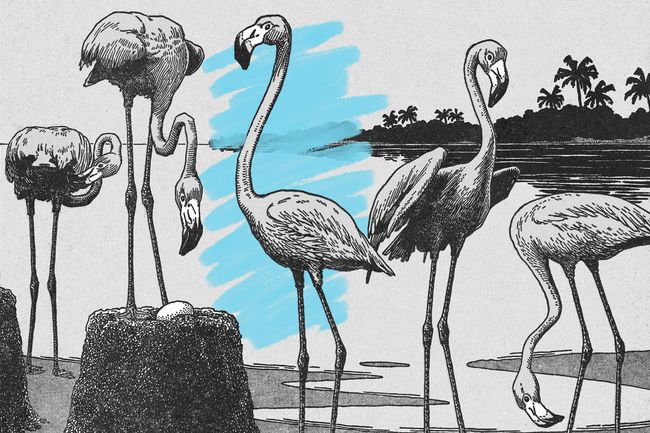
Imagine hosting a dinner party where the menu featured flamingo in pepper sauce, wine infused with rose petals, and honey-soaked dates for dessert. To wealthy Romans, that wasn’t fantasy — it was haute cuisine.
Those dishes appear in De Re Coquinaria (The Art of Cooking), often said to be the oldest surviving cookbook from the Western world. Compiled around the fourth or fifth century CE from much older sources, the collection preserves nearly 500 recipes from the Roman Empire, including instructions for preparing one particularly eye-catching bird: flamingo.
For centuries, the cookbook was attributed to Marcus Gavius Apicius, a legendary Roman gourmet who lived in the first century CE. Ancient writers painted him as the ultimate foodie, claiming he sailed to Libya in search of giant prawns only to turn his ship around without even going ashore when he learned they weren’t any bigger than the ones back home.
Modern scholars, however, think the surviving cookbook was assembled long after Apicius’ lifetime with recipes gathered by many different cooks. His famous name likely became attached to it because by then “Apicius” had become synonymous with extravagant dining and was a catchall term for a gourmand.
Some aspects of the cookbook itself feel surprisingly familiar. Like a modern cookbook, it’s divided into sections for vegetables, legumes, seafood, meats, and poultry. But the ingredients can be startling. Alongside chicken, goose, and duck are recipes for peacock, crane, parrot, ostrich, and the aforementioned flamingo. One recipe instructs the cook to parboil the bird with dill, vinegar, leeks, and coriander before serving it with a rich sauce of pepper, cumin, mint, dates, vinegar, and the bird’s own cooking juices.
The instructions are sparse; most recipes don’t include measurements or cooking times. In this way, De Re Coquinaria functions less like a usual cookbook than a professional chef’s notebook — preserving not only Roman flavors but also a remarkable glimpse into how the empire’s wealthiest diners filled their tables.


