




The first zippers were wildly unpopular.
Necessity is the mother of invention, but not every new innovation actually seems necessary at first. Anyone old enough to remember the skepticism that now-ubiquitous phone cameras were initially met with will be unsurprised to learn that something else they encounter every day was wildly unpopular when it was first introduced: zippers.
That’s partly because they went through several forms before the kind we now rely on — more than we even realize — first appeared. The year 1851 saw the introduction of Elias Howe’s “Automatic, Continuous Clothing Closure,” while Whitcomb Judson displayed his “Clasp Locker” at the 1893 World’s Fair in Chicago. These early iterations were expensive to produce, unreliable, and, perhaps worst of all (in the eyes of folks at the time), different from the buttons and other fasteners people were used to.
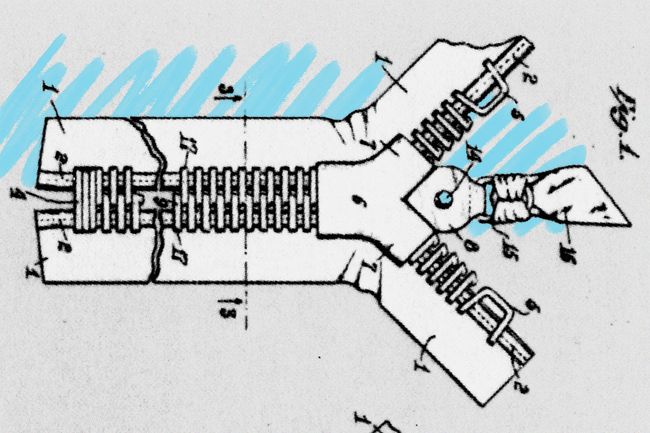
The modern zipper, meanwhile, debuted in December 1913 courtesy of Gideon Sundback, an electrical engineer at a fastener company co-founded by Judson. It was Sundback who increased the number of fastening elements (teeth), making them smaller and adding the slider that pulls them together; he also developed the machine that manufactured them, allowing the company to produce hundreds of feet of zippers every day.
Sundback’s innovation became popular in part due to the military, which added zippers to soldiers’ uniforms and gear during World War I. They were nearly ubiquitous by the end of the 1920s and remain so a century later.


