




5 Life Lessons From Leonardo da Vinci
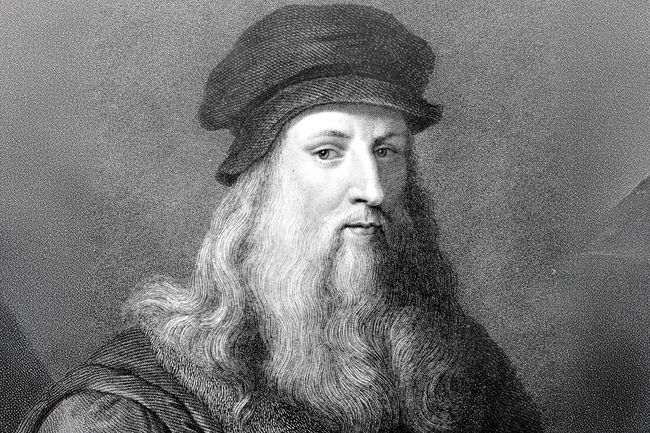
Leonardo da Vinci is remembered as one of history’s geniuses, a man whose curiosity seemed to have no limits. Born in 1452 during the Italian Renaissance, he created some of the world’s most celebrated works of art, including the “Mona Lisa” and “The Last Supper,” while filling thousands of notebook pages with observations and ideas about anatomy, engineering, nature, mathematics, and the human mind. To Leonardo, art and science were never separate pursuits — they were different ways of understanding the same world.
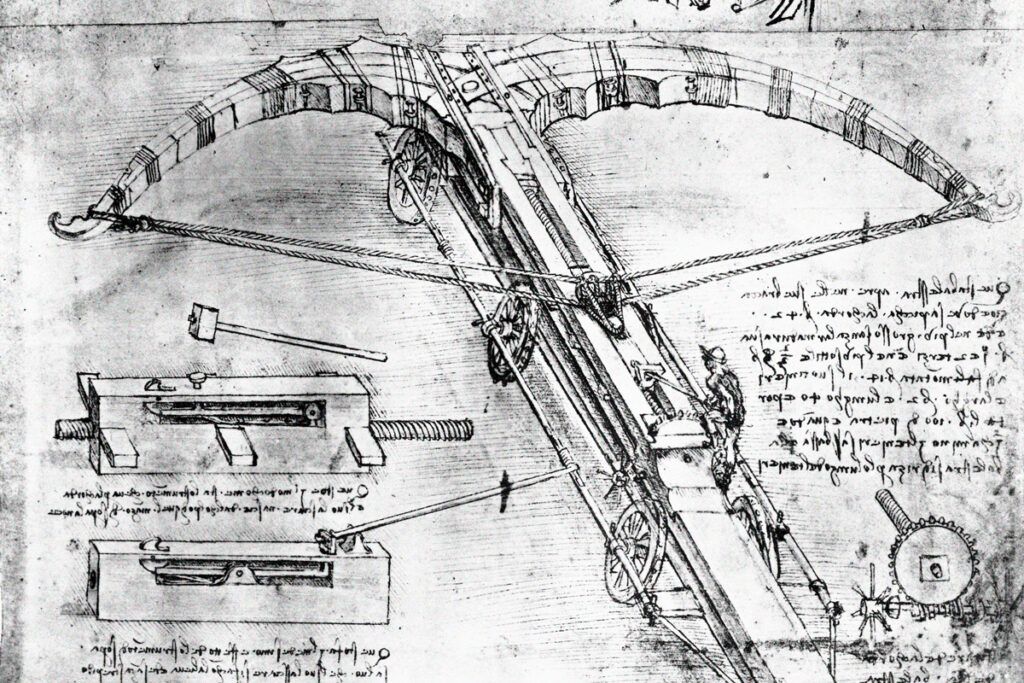
Those notebooks remain one of his greatest legacies. Rather than offering a formal philosophy of life, they capture the thoughts of someone constantly asking questions, testing assumptions, and searching for truth. Among sketches of flying machines and scientific studies are reflections on knowledge, character, time, and human nature that still feel remarkably modern. More than 500 years later, Leonardo’s words continue to hold lessons, including the five below.
Never Stop Learning
The quintessential Renaissance man, Leonardo believed the mind was meant to be used, challenged, and continually expanded. He wrote that “the acquisition of any knowledge is always of use to the intellect, because it may thus drive out useless things and retain the good.” To him, learning was never wasted — every new skill, observation, or experience strengthened the mind and replaced ignorance with understanding. His own life reflected this belief as he studied everything from anatomy and engineering to botany, astronomy, and geology.
He reinforced this idea with one of his most memorable metaphors: “Iron rusts from disuse, stagnant water loses its purity and in cold weather becomes frozen, even so does inaction sap the vigor of the mind.” Leonardo believed that, whether through reading, practicing a skill, or simply asking better questions, curiosity keeps us sharp and engaged with the world.
More from our network





Don’t Judge What You Don’t Understand
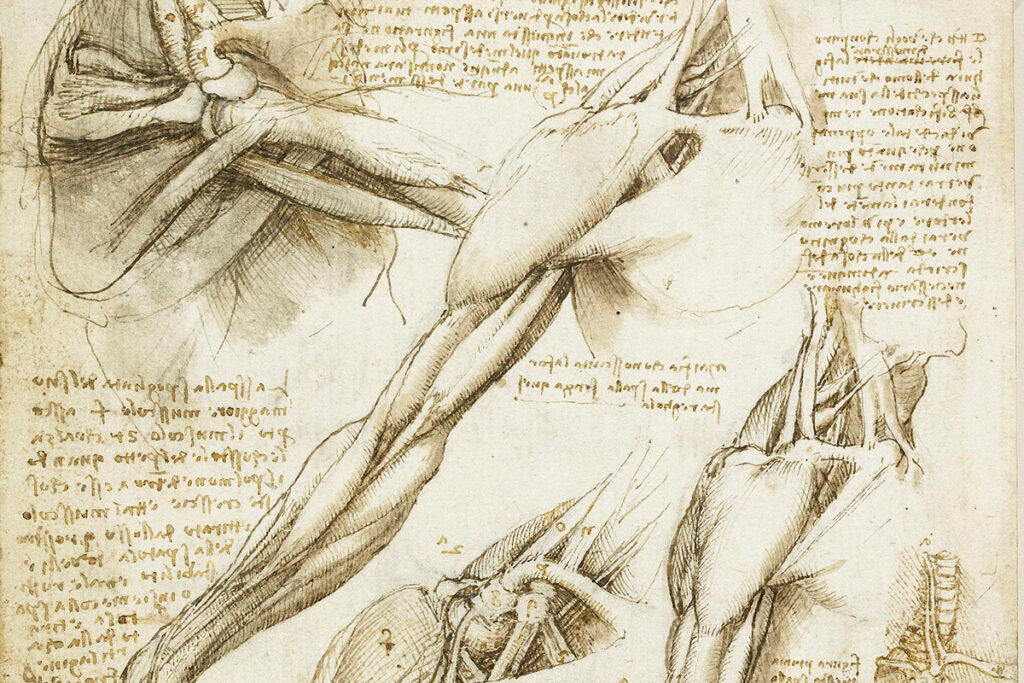
Leonardo returned to this idea more than once in his notebooks, seeing it as a foundation of wisdom. He observed that “nothing can be loved or hated unless it is first known,” reminding us that genuine understanding must come before any meaningful opinion can be formed. This philosophy is evident in his approach to his work: Before painting the human body, he studied anatomy, and before designing machines, he observed nature.
He reinforced the lesson when he wrote, “You do ill if you praise but worse if you censure what you do not understand.” In other words, ignorance can lead us to admire the wrong things just as easily as it can cause unfair criticism.
Live Each Day With Purpose
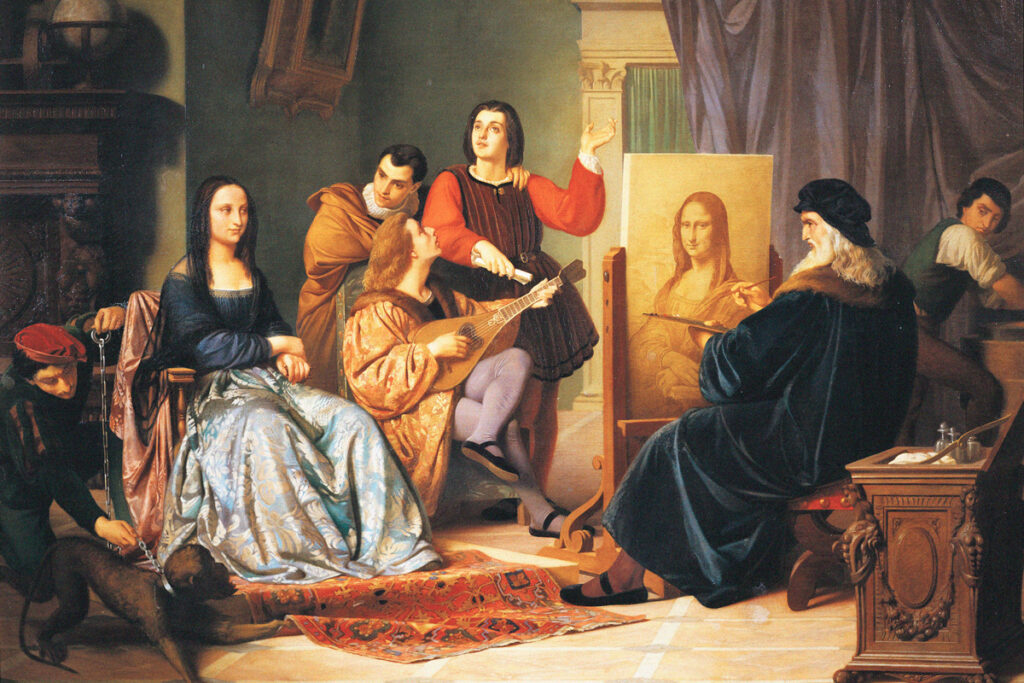
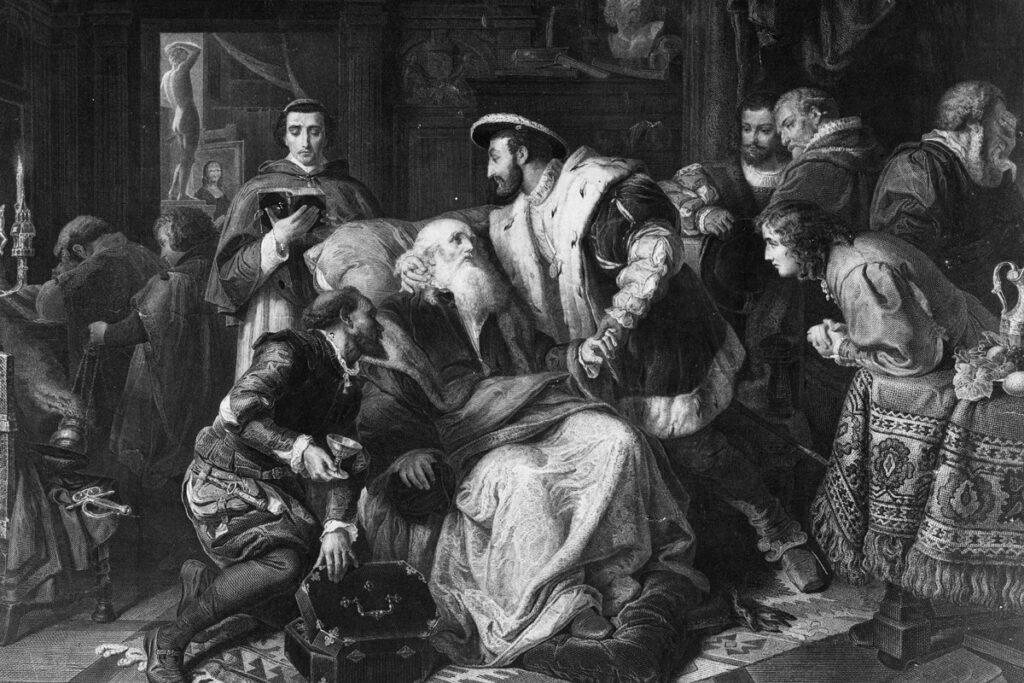
Leonardo understood that the value of life is found not in the number of years we are given, but in how meaningfully we use them. He wrote, “As a day well spent procures a happy sleep, so a life well employed procures a happy death.” Just as a fulfilling day brings peace at the end of the evening, a life guided by purpose brings satisfaction when you look back on it.
He expressed the same idea even more simply when he wrote, “Life if well spent, is long.” Leonardo measured life not by time alone, but by experiences, growth, and contribution. A person who spends time learning, creating, helping others, and pursuing what matters can live a deeply rich life regardless of its length. We cannot control how much time we receive, but we can choose how intentionally we spend it.
Character Matters More Than Wealth or Accomplishment
Despite his own success, Leonardo believed the greatest measure of a person was not what they possessed or achieved, but their character. He wrote, “That is not riches, which may be lost; virtue is our true good and the true reward of its possessor.” He recognized that wealth, status, and recognition can be fleeting, but qualities such as integrity, compassion, and wisdom cannot be taken away.
He expressed this idea elsewhere in his writing, too: “Good culture is born of a good disposition; and since the cause is more to be praised than the effect, I will rather praise a good disposition without culture, than good culture without the disposition.” Ultimately, he believed skills can be learned and achievements can be earned, but character determines how those gifts are used and the legacy they leave behind.
Pay Attention to the World Around You
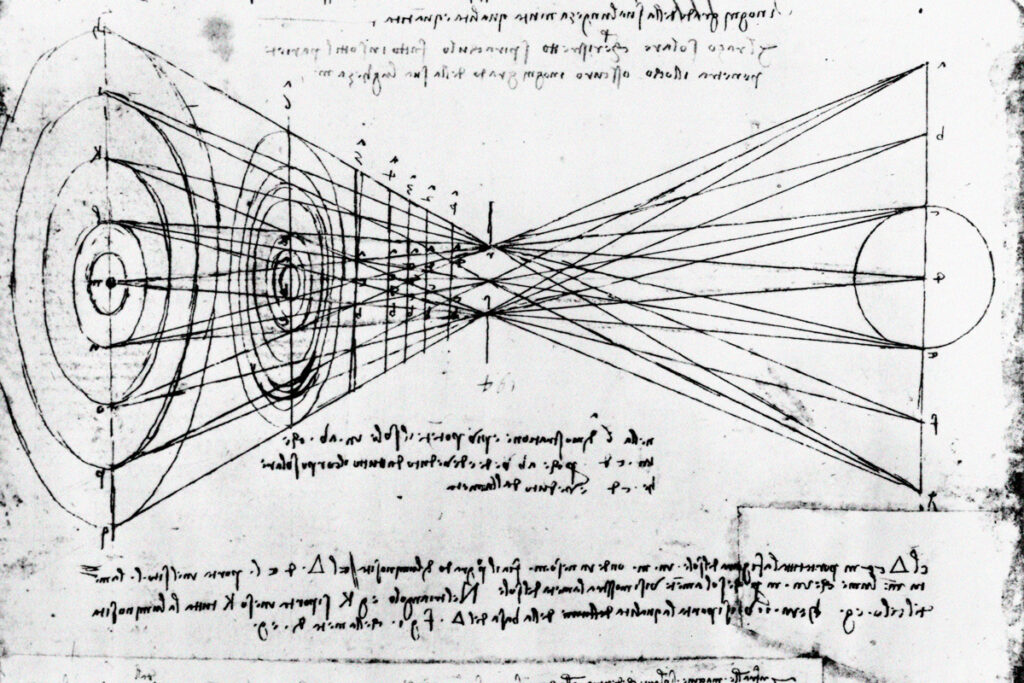
Leonardo believed that understanding begins with careful observation. “All our knowledge has its origins in our perceptions,” he wrote, expressing his belief that discovery begins with paying attention to the world around us. Before theories, inventions, or works of art can be created, there must first be a willingness to look closely and learn from experience.
He also wrote, “If you wish to have knowledge of the forms of things, you will begin with their details, and not go on to the second until you have the first well fixed in memory and in practice.” Leonardo understood that details and the larger picture are inseparable. The smallest observations often reveal the greatest insights, a principle that shaped everything from his paintings to his scientific studies.
The lesson for our own lives is that we often miss what matters because we move too quickly. Leonardo’s work reminds us that curiosity begins with observation — and that a deeper understanding of the world starts with simply paying attention.


