




School Rules From the Past That Would Shock You Today
If you dropped into a typical classroom today, you’d likely see flexible seating, group work, and active discussions between students and teachers. Compared to even a few decades ago, the contrast is striking. Many practices that are now considered outdated — or even unacceptable — were once routine parts of school life.
For much of the 19th and 20th centuries, schools emphasized discipline, conformity, and respect for authority. Students followed detailed rules governing everything from classroom behavior and personal appearance to handwriting and social conduct. In many institutions, especially private and religious schools, daily routines were tightly structured, and individuality often took a back seat to order and uniformity.
Here are some of the most surprising school rules and traditions that were once considered perfectly normal in public and private schools in the West.
Silence and Strict Classroom Obedience
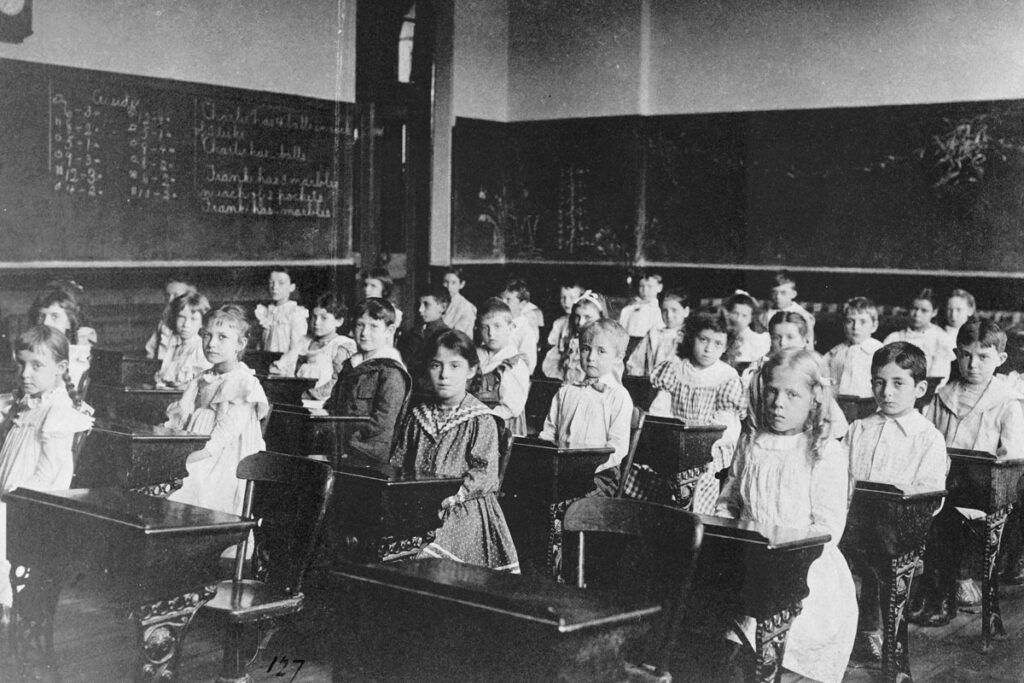
Many classrooms from the 19th century through the mid-20th century were structured around control of attention, movement, and speech. The physical setup itself reinforced this: Students sat in fixed rows facing forward, with the teacher positioned as the central authority at the front of the room. Lessons were designed for collective focus rather than interaction, and total obedience was demanded.
Discussion was not typically a part of the classroom experience, and children were taught to speak only when spoken to. Students were expected to raise their hand and wait to be called on, and were often required to stand when addressing the teacher. Instruction relied heavily on memorization, repetition, and group recitation, where entire classes would respond in unison.
More from our network





Corporal Punishment as Standard Discipline
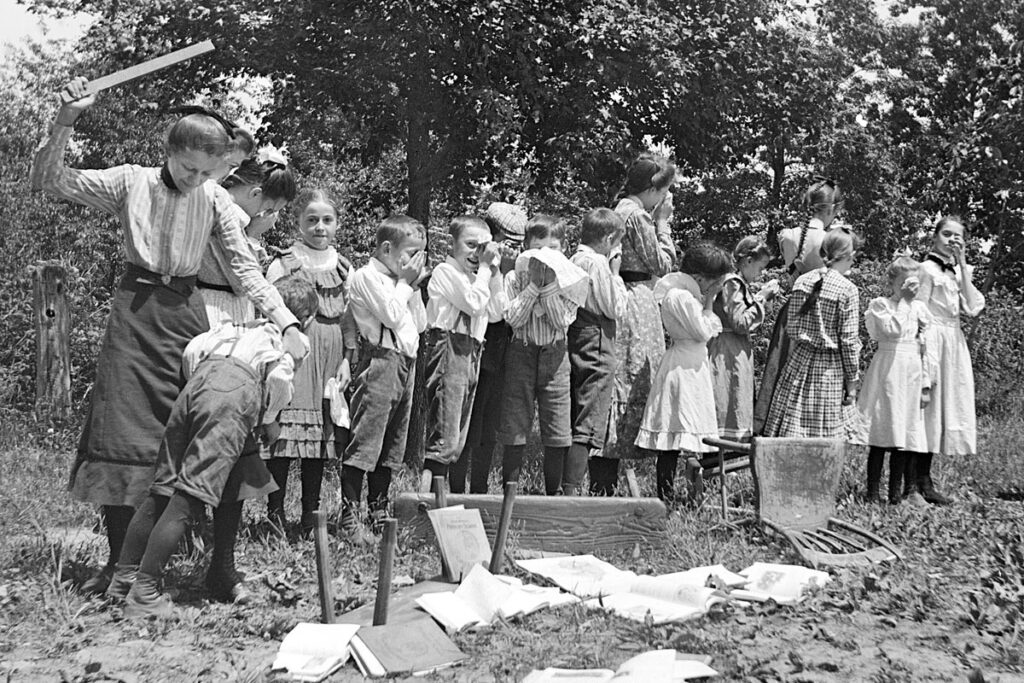
Alongside this structured classroom order, many schools across the U.S., U.K., Canada, and Australia applied corporal punishment as a formal disciplinary tool well into the late 20th century. Teachers and principals used paddles, straps, or canes for infractions that might seem minor today, including talking in class and incomplete work. In some systems, physical punishment escalated from earlier steps such as warnings or written penalties, with physical discipline reserved as a “last resort.” Private and religious schools often maintained these practices longer and with fewer procedural restrictions.
Punishment was routine and highly visible, sometimes occurring within earshot or sight of other students, reinforcing the authority structure of the school. While now banned or heavily restricted across most Western education systems, corporal punishment remains one of the clearest examples of how disciplinary approaches in schools have fundamentally changed.
Left-Handed Students Were Forced To Switch Writing Hands
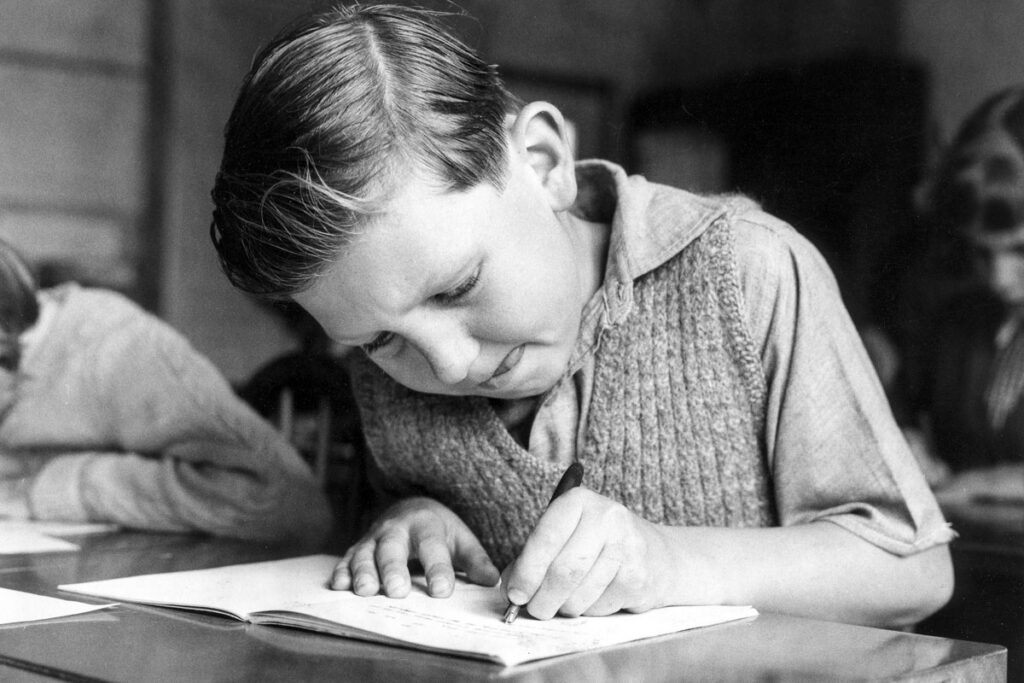
Across many school systems in Europe, North America, Australia, and other regions from the late 19th century through much of the 20th century, left-handed students were often required to write with their right hand instead. Left-handedness was frequently viewed as something that needed to be corrected, particularly in the context of handwriting instruction, where uniform penmanship was considered an important part of schooling.
Teachers commonly enforced this expectation by retraining left-handed students to use their right hand. This could include physically repositioning a student’s hand, repeatedly correcting grip and posture, or requiring extensive practice using the right hand until the habit changed. Some students underwent this correction over months or even years of instruction, especially in early primary education where handwriting drills were a daily part of classroom routines. The practice gradually declined in the second half of the 20th century as educational research increasingly recognized left-handedness as a natural variation rather than a behavior requiring correction.
Strict Dress and Grooming Codes
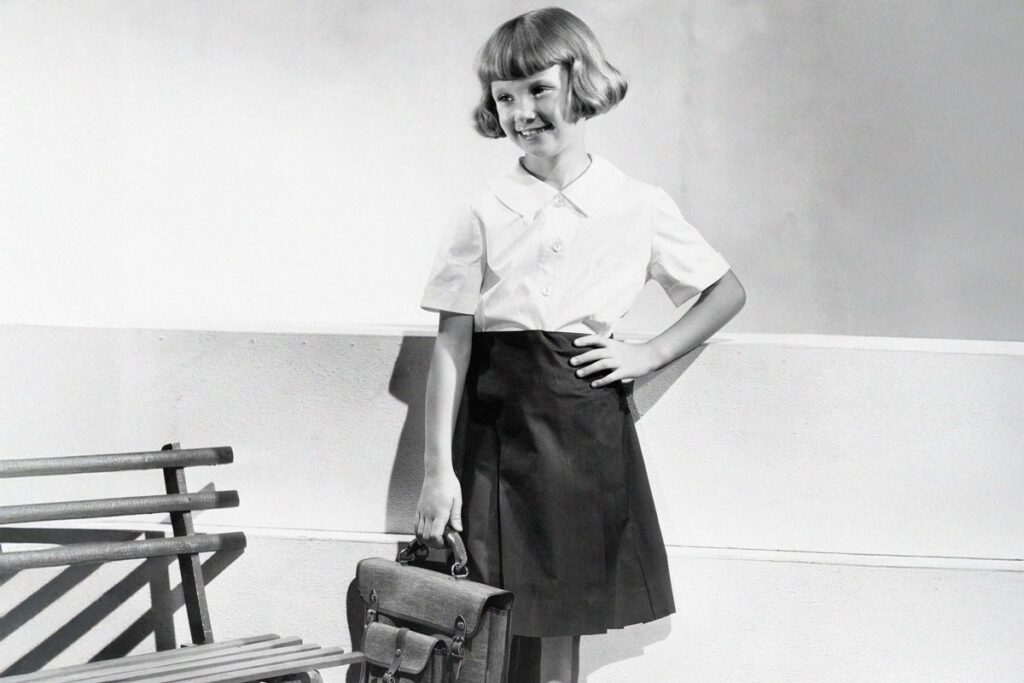
Across many public and private schools in the U.S. and U.K. from the 1920s through the 1970s, student appearance was governed by detailed dress and grooming codes. For girls, pants were often prohibited and skirt length was among the most closely enforced rules. Teachers and administrators sometimes checked skirts during morning inspections or at classroom doors, and some schools used yardsticks or other methods to ensure hemlines met regulations.
Girls also faced restrictions on makeup, jewelry, and hairstyles, while boys were expected to maintain short hair and a neat appearance. As longer hairstyles became associated with youth counterculture during the 1960s, many schools adopted strict “above-the-collar” hair regulations, and students could be disciplined for failing to comply. Facial hair was commonly prohibited, and some schools conducted routine inspections to ensure all students met appearance standards. Today, while many schools still implement dress codes, particularly rigid rules typically face significant public scrutiny and debate.
Gender-Separated Classes
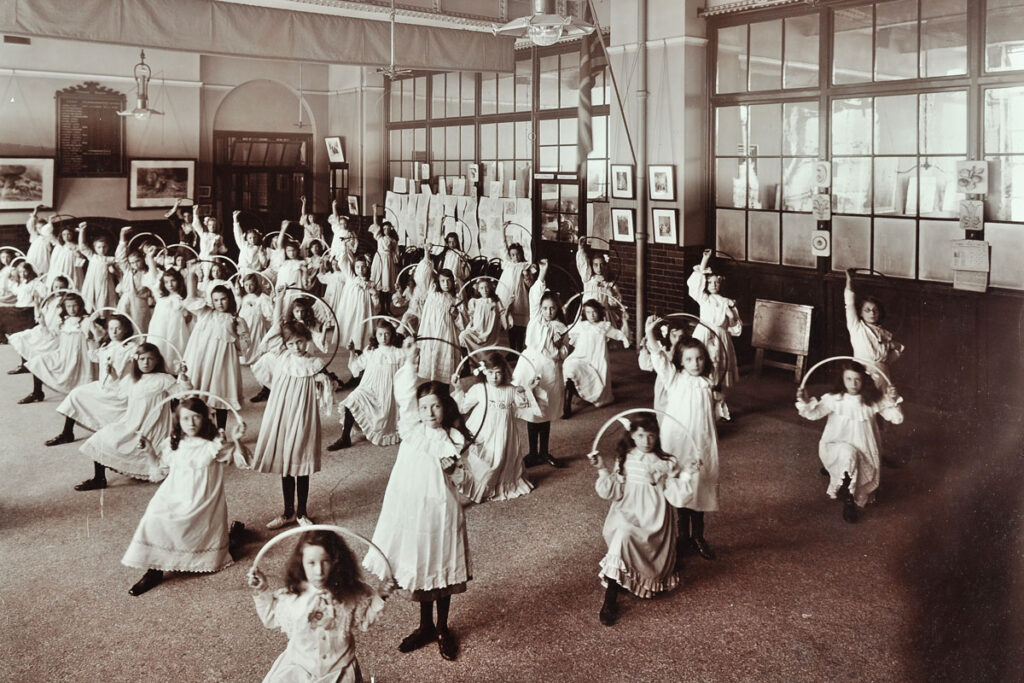
For much of the 20th century, schools commonly separated boys and girls for certain subjects, particularly physical education. Boys were typically assigned to competitive sports, strength training, and endurance activities, while girls participated in programs focused on grace and flexibility, such as dance and gymnastics.
The division extended beyond P.E. Girls were typically required to take home economics courses that taught cooking, sewing, childcare, budgeting, and household management, while boys were directed into shop or industrial arts classes covering woodworking, metalworking, drafting, and mechanical repair. These courses were frequently mandatory and reflected prevailing assumptions about the different roles men and women would occupy in adulthood.
Beginning in the 1970s, these practices faced growing scrutiny. A major turning point came with the passage of Title IX in 1972, a federal law prohibiting gender-based discrimination in federally funded education programs. While implementation took time, the law contributed to the gradual decline of many school policies that assigned classes and activities according to gender.
Cold War “Duck and Cover” Nuclear Drills
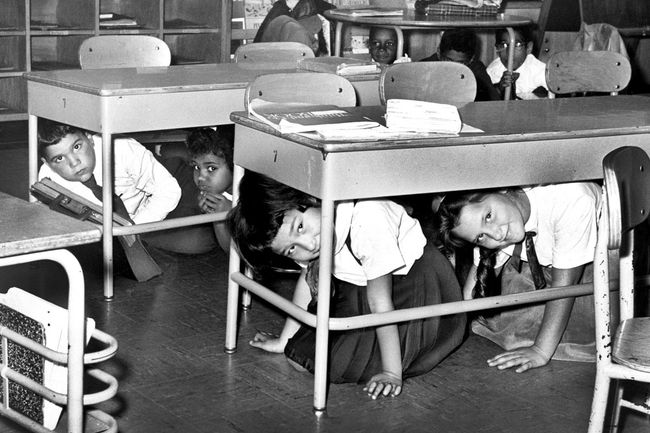
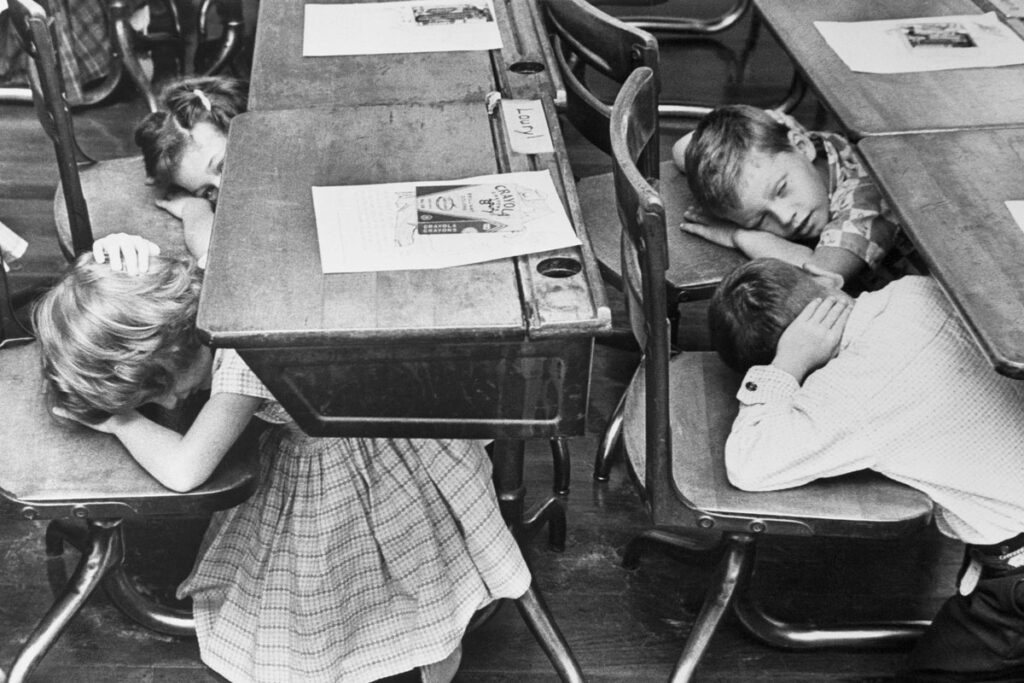
During the height of Cold War tensions in the 1950s and early 1960s, civil defense training became a routine part of school life in the United States and some allied countries. Among the most recognizable practices were “duck and cover” drills, which prepared students for the possibility of a nuclear attack. When an alarm sounded, students were instructed to drop beneath their desks, crouch against interior walls, and cover their heads and necks.
Schools often reinforced the lessons with government-produced instructional films that taught children how to respond calmly during an atomic explosion. Some districts also designated hallways, basements, or specially marked areas as fallout shelters, and students practiced moving to these locations as part of emergency preparedness exercises. For a generation of students, preparing for a potential nuclear attack was considered a normal part of the school day.
High School Smoking Areas
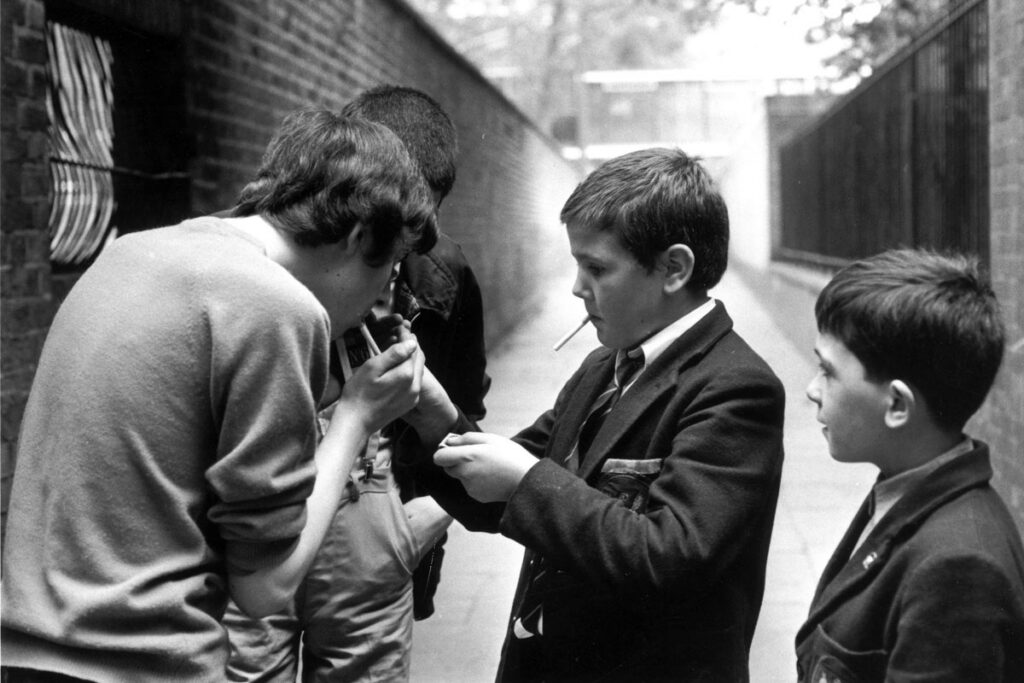
Although policies varied widely by region and school, structured smoking areas for students were once a recognizable — and normalized — feature of secondary education. From the 1950s through the 1980s, many high schools in North America and parts of Europe maintained designated smoking areas for older students. Teen smoking rates were significantly higher during this period, and tobacco use was far more socially accepted, with many students beginning the habit in early adolescence.
Smoking zones were usually placed outdoors in courtyards, side yards, or designated areas behind school buildings. In some schools, staff supervised these spaces, while in others they operated with minimal oversight as long as students remained within boundaries during allowed times. Students who smoked outside designated areas could face punishment, but within the assigned zones the behavior was formally permitted under school rules — a sure sign of a very different era in education.


