




What ‘Middle Class’ Meant in 1900 America
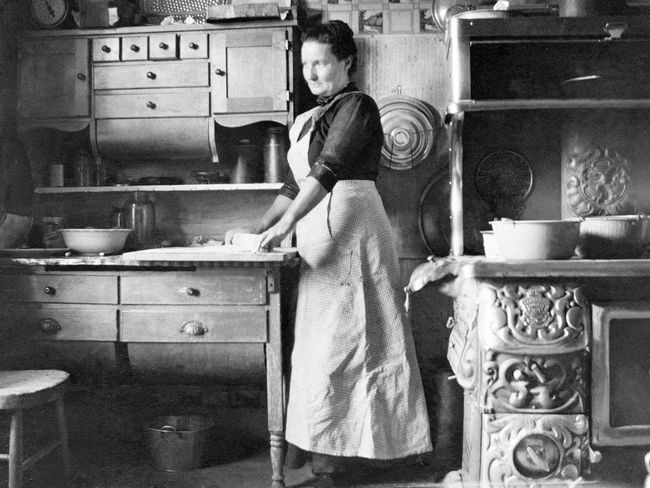
At the turn of the 20th century, the U.S. was in the midst of a significant and rapid transformation. Industrialization was creating new wealth for those it favored, sprawling cities were replacing rural towns as the centers of American life, and an entirely new layer of society was emerging between the working class and the hereditary rich.
This was the American middle class — a term already in use in the 18th century, albeit subject to various definitions — and it was a group defined not just by what people earned, but also by how they lived, how they were educated, and what they valued.
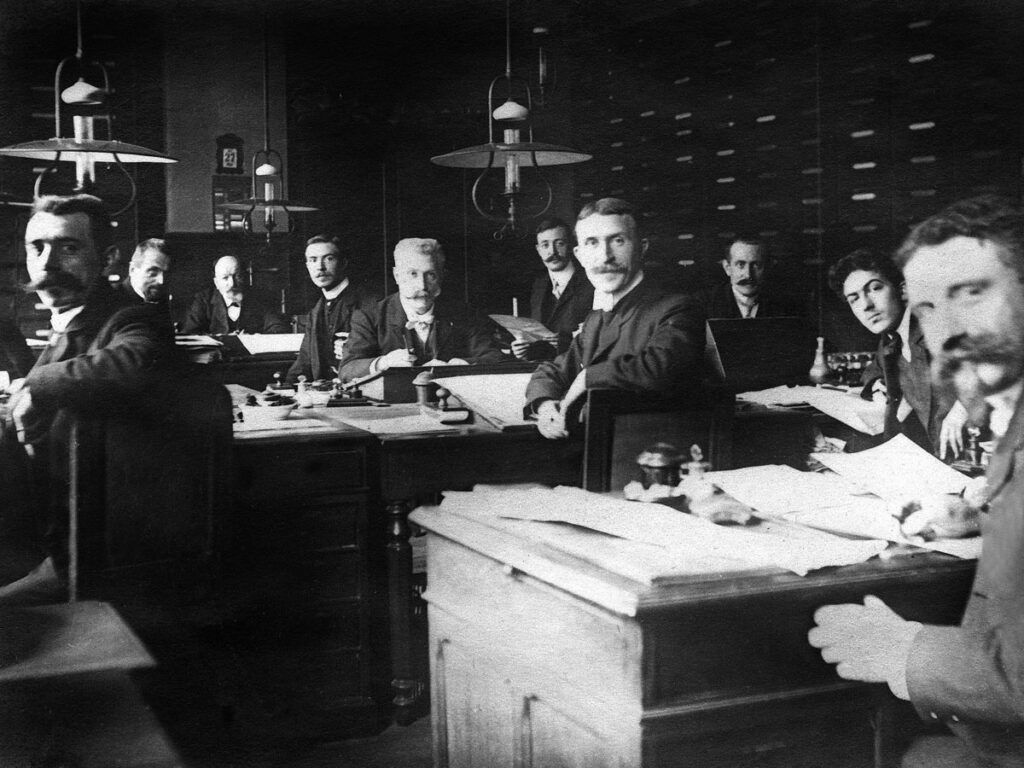
The Rise of the Desk Job
In 1900, America’s middle class was, in large part, a product of industrialization — a process that began in the late 18th and early 19th centuries, followed by what is often called the Second Industrial Revolution around 1870. At the turn of the 20th century, factories, railroads, banks, and corporations continued to expand rapidly across America, creating a growing demand for a new kind of skilled worker — professionals who worked not with their hands, but with their minds, such as managers, accountants, engineers, lawyers, doctors, and merchants.
These occupations came to be known as white-collar jobs, distinguished from working-class labor by the nature of the work itself. (The term “white collar” first appeared in 1919, referring to the collared dress shirts typically worn by office workers.) A middle-class worker typically sat at a desk, wore a suit, kept regular hours, and earned a salary rather than a daily wage.
But these middle-class jobs were still the minority in the industrial era. While today the middle class makes up about half of the U.S. population, in 1900 it was far smaller and still in the process of forming. The vast majority of Americans remained working class — factory workers, farm laborers, domestic servants — with a small wealthy elite at the top and a relatively thin, but growing, professional layer in between.
More from our network





Middle-Class Math
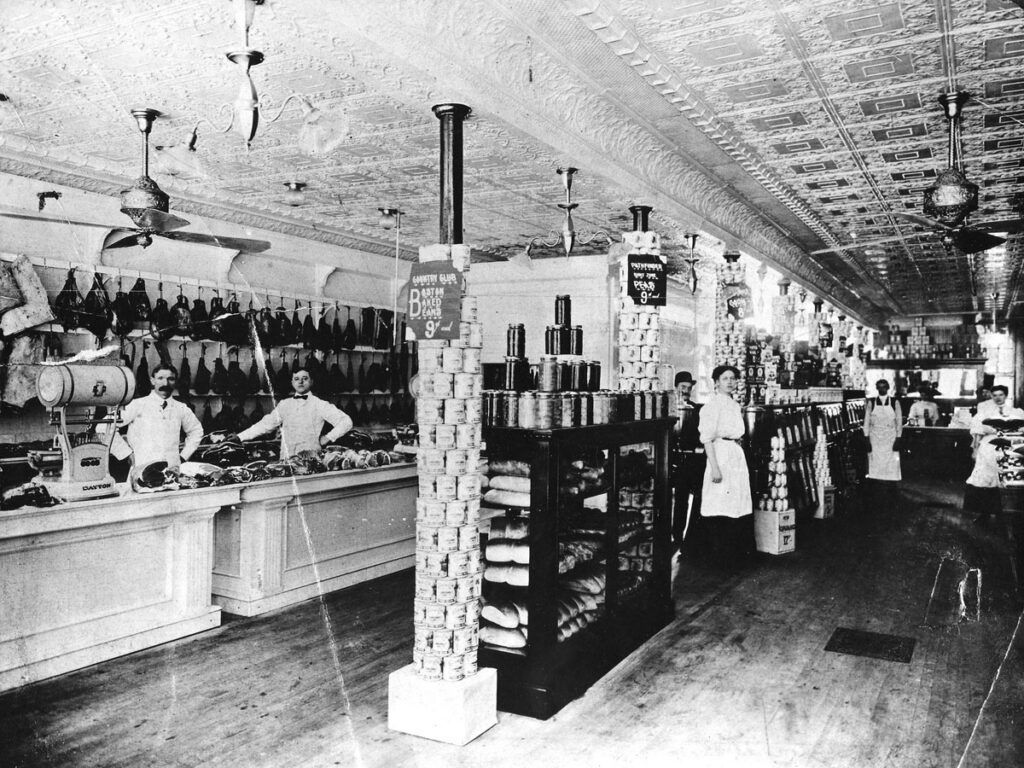
According to U.S. Census Bureau data, middle-class homes in 2024 earned between $55,820 and $167,460 a year. Unsurprisingly, the earnings of middle-class Americans in 1900 were considerably lower due to inflation. A lawyer or architect could expect to earn around $1,200 a year, a banker or broker $1,600 a year, and a surgeon $1,625 a year (that’s about $47,000, $63,000, and $64,000 respectively in today's money). In comparison, the average farm worker, industrial worker, brewer, or tanner earned somewhere between $300 and $500 annually ($12,000 and $20,000 today).
These middle-class salaries, while modest by modern standards, went considerably further in 1900. Sugar cost about 5 cents a pound (equivalent to about $2 today), a dozen eggs 19 cents ($7.50 today), coffee 22 cents a pound ($8.80 today), and a loaf of bread about 4 cents (about $1.60 today). A comfortable family home in a midsize American city could be purchased or rented at a fraction of what a middle-class salary could support today.
Degrees Were Rare
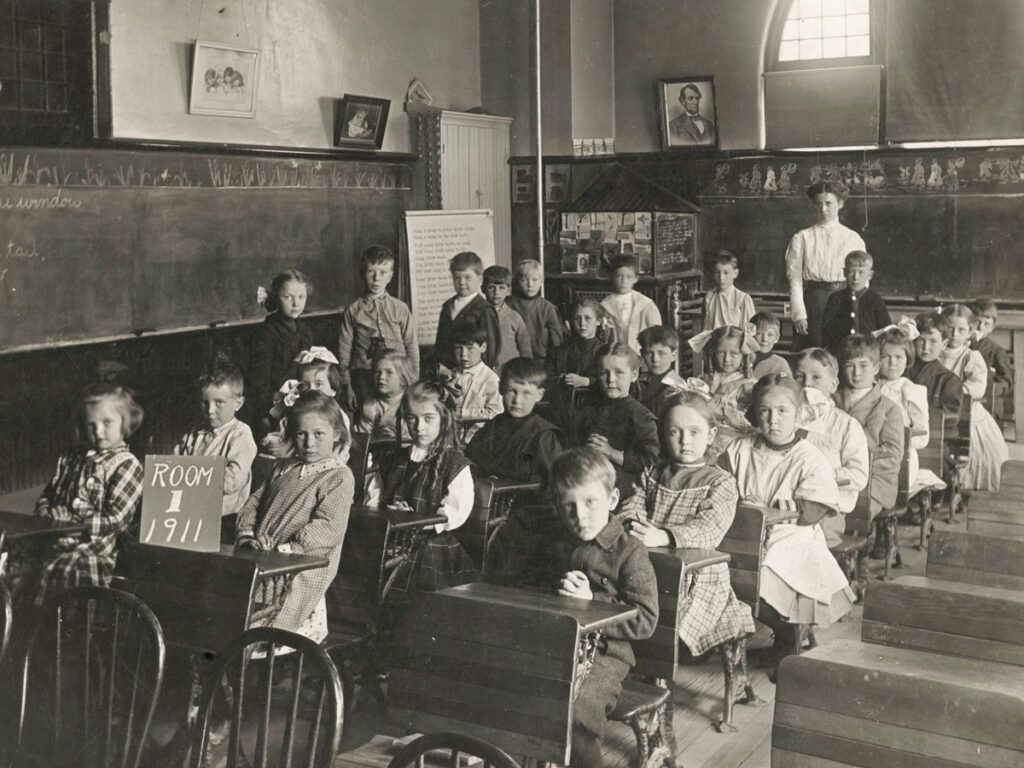
Today, a college-level education is considered common among the American middle class, and a bachelor’s degree is standard for many professional careers. But back in 1900, the educational landscape was different. Around 78% of all American children between ages 5 and 17 were enrolled in schools, but the average child was in school for no more than eight years. In 1900, a high school diploma or college degree was a rare privilege — fewer than 10% of Americans graduated high school and only 1 in 50 graduated college.
A middle-class worker in 1900 tended to be better educated than a typical working-class laborer, and middle-class families were more likely to invest heavily in their children’s schooling.
Running the Middle-Class Home
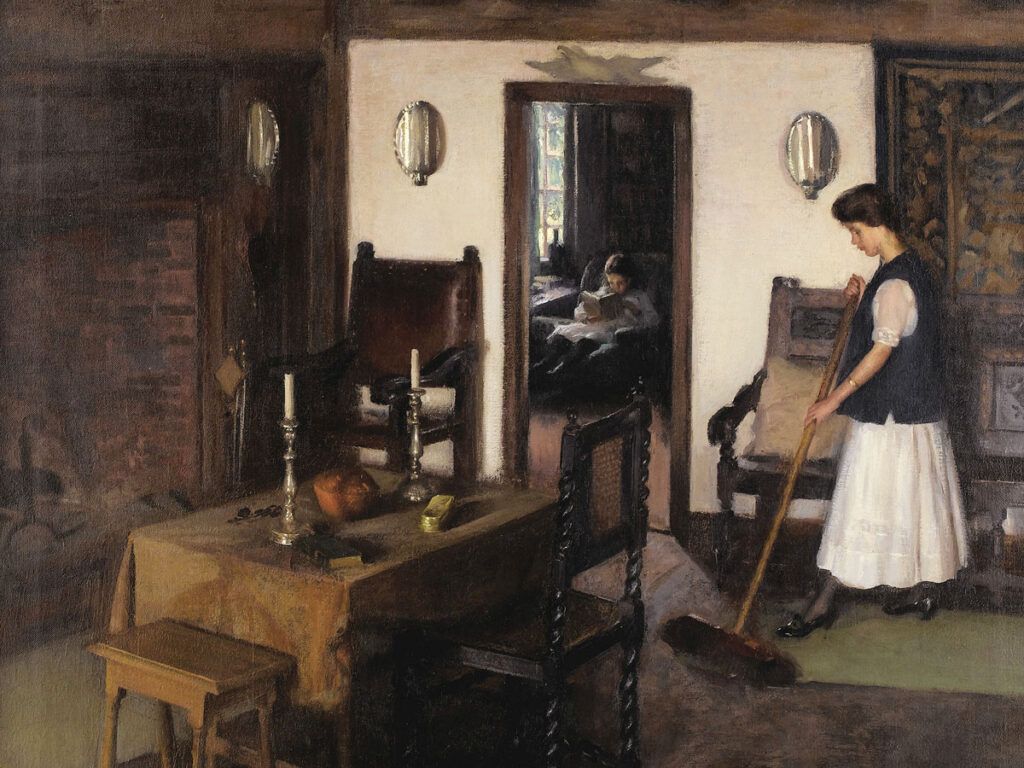
The middle-class household of 1900 was organized around a clear division of labor, with men earning the bulk of the income and women managing the home. This arrangement reflected the cultural norms of the time — which included the notion that a man’s success could be measured by his ability to keep his wife out of the workforce entirely, and that a working wife was to be frowned upon. It wasn’t until the 1940s, when World War II shifted views about women in the workplace, that the idea of a middle-class married woman going to work became more socially acceptable.
Within the home, however, both working-class and middle-class women often exercised real authority. They managed household budgets, directed domestic servants (if they had any), oversaw their children’s education, and were considered the moral and emotional center of the family. And in 1900, middle-class homemakers had a new challenge to face: technology. This period saw the emergence of gas and electric appliances, running water, prepared foods, ready-made clothes, and factory-made furniture, all of which brought about major changes in how homes were managed.
The Rise of Consumer Culture
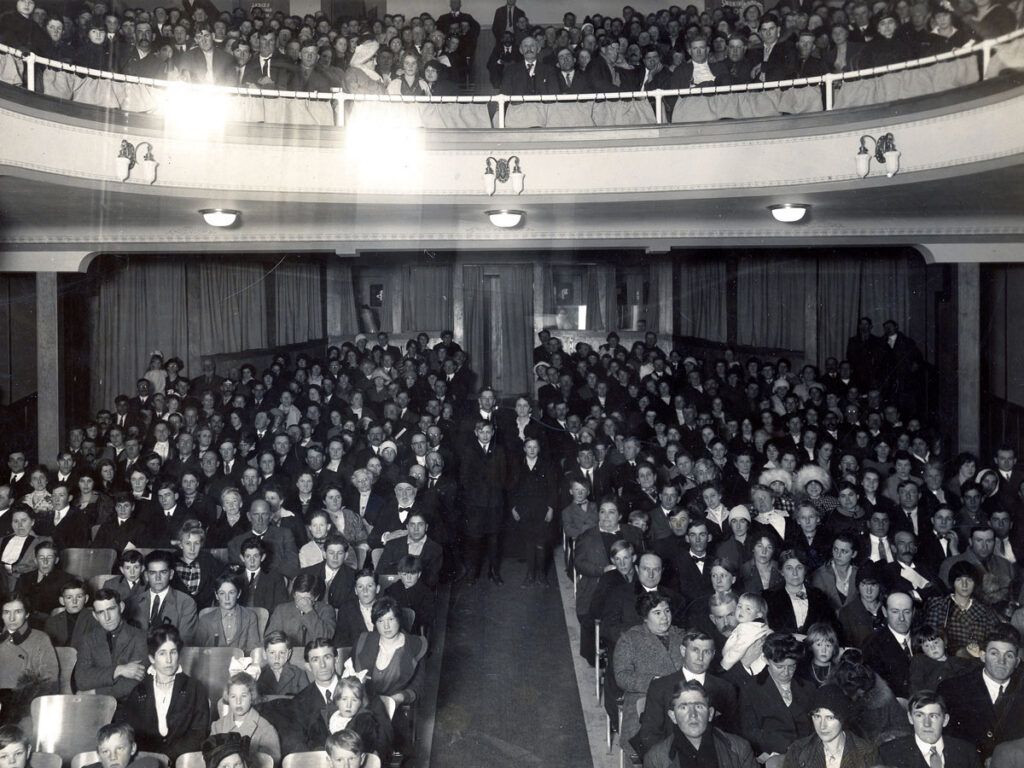
One clear marker of middle-class life in 1900 was access to leisure. Amusement parks, vaudeville theaters, stadium sports, and the very first movie houses were becoming fixtures of urban middle-class entertainment. These places also catered to the working class, but the growing middle class had more disposable income and, in many cases, more free time. Music, too, was finding its way into the more affluent households. Pianos became affordable to many middle-class families, as did new phonographs.
The emergence of the middle class also ushered in new forms of consumerism. Department stores, which had proliferated through the 1870s and 1880s, specifically targeted middle- and upper-class shoppers with a new kind of consumer experience designed to appeal to buyers who prized respectability, had money to spend on impulse, and had time to go shopping as a leisure activity.


