



5 People Who Changed History by Accident
History often feels inevitable when viewed in hindsight, as though events unfolded exactly as they were meant to. But some pivotal moments tell a different story — they reveal how much of the world we live in today has been shaped by accident rather than intention.
Some of the most significant turning points in history came not from careful planning, but from mistakes, miscalculations, and moments of chance. Here are five figures whose stories reveal how unpredictable and arbitrary the course of human history can be.
Christopher Columbus
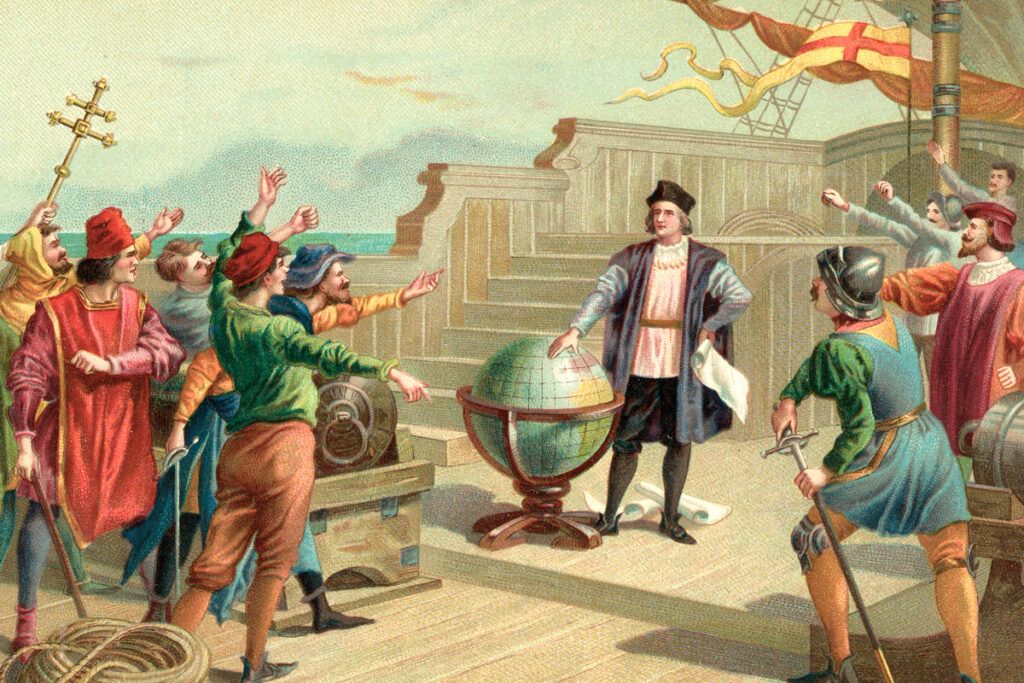
When Christopher Columbus set sail under the sponsorship of Spain in 1492, his goal was to reach Asia by traveling west across the Atlantic Ocean. European scholars already understood that the Earth was round, but Columbus relied on flawed calculations that dramatically underestimated the planet’s size. He was convinced the journey would be shorter than it actually was and believed he could establish a new trade route to the wealthy markets of East Asia.
Instead, Columbus encountered islands in the Caribbean — lands that were home to established Indigenous societies largely unknown to Europeans at the time. Believing he had reached the outskirts of Asia, he referred to the people he met as “Indians,” a mistake rooted in his original assumptions. Although Columbus never fully understood the scope of what he had found, his voyages initiated sustained contact between Europe and the Americas. The consequences were profound, reshaping global trade networks and migration patterns while also triggering centuries of colonization, displacement, and devastation for Indigenous populations.
Alexander Fleming
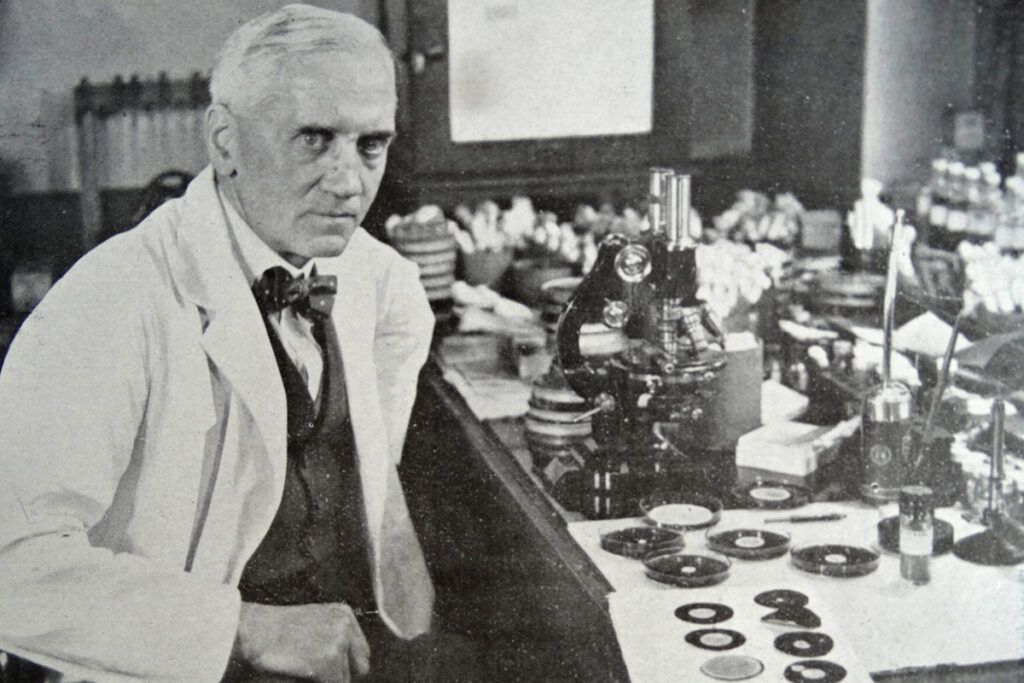
In 1928, Scottish bacteriologist Alexander Fleming returned to his laboratory after a holiday to find that one of his petri dishes had been contaminated by mold. In most cases, this would have meant a failed experiment — something to discard and start over. Laboratory contamination was common, and scientists were trained to treat it as a nuisance rather than an opportunity. But Fleming paused before throwing the dish away, noticing something unusual in the way the bacteria behaved around the intruding mold.
A clear, bacteria-free zone had formed around the contamination, suggesting that the mold was producing a substance capable of killing harmful microbes. The mold was later identified as Penicillium notatum, and the substance it produced became known as penicillin. While the contamination itself was accidental, Fleming’s decision to investigate it was not. He recognized the potential significance of what he had found, even though he lacked the means to fully develop it. That work was later carried forward by researchers such as Howard Florey and Ernst Boris Chain, whose efforts transformed penicillin into a practical, lifesaving drug and ushered in the age of modern antibiotics.
Percy Spencer
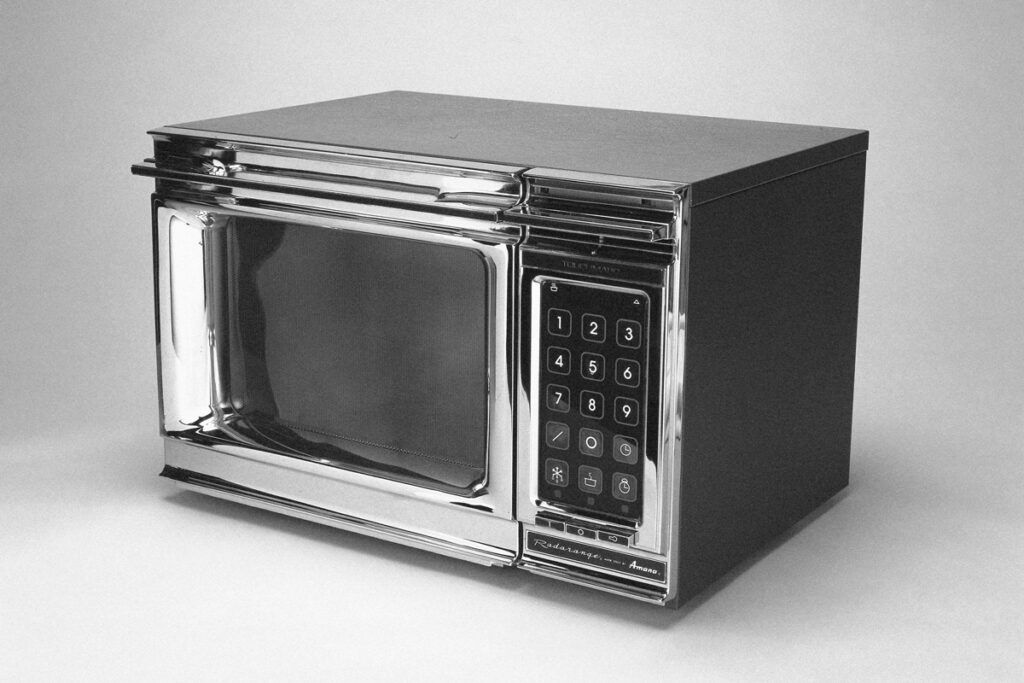
In the 1940s, American engineer Percy Spencer was working with magnetrons, a type of radar technology that produced powerful microwave radiation. During one experiment, he noticed something unexpected — a chocolate bar in his pocket had melted, even though he hadn’t been exposed to any obvious source of heat. Instead of dismissing it as coincidence, Spencer decided to investigate further.
He began experimenting with the effect deliberately, placing popcorn kernels near the equipment and watching them pop almost instantly. In another test, an egg reportedly burst as heat built up inside it. Through these observations, Spencer realized that microwave energy could rapidly heat food by exciting water molecules within it. This accidental discovery led to the development of the first microwave oven, dubbed the Radarange, a large and expensive machine used in commercial settings. Over time, the technology was refined and scaled down, and the microwave eventually became one of the most common household appliances in the modern world.
Leopold Lojka
The assassination of Archduke Franz Ferdinand in 1914 is often described as the catalyst that launched World War I, but the event itself unfolded through a series of missteps. The archduke was visiting Sarajevo as the heir to the Austro-Hungarian throne, at a time when nationalist tensions in the region were high. A group of young Bosnian Serb conspirators, backed by elements of a Serbian nationalist network, had positioned themselves along the motorcade route earlier that day. One of them threw a bomb at the archduke’s car, but it bounced off and detonated under a following vehicle instead, injuring several people and throwing the schedule into confusion.
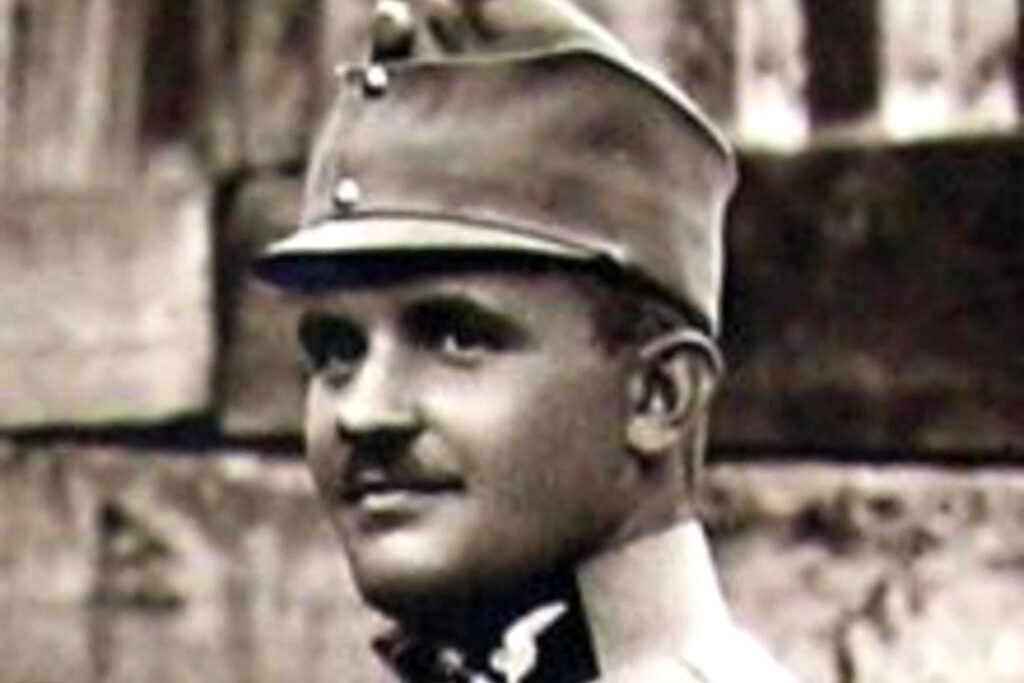
After the failed attack, the archduke insisted on continuing his visit and later decided to visit those wounded in the hospital. However, the change in route was not clearly communicated to all drivers. Czech driver Leopold Lojka mistakenly turned off the planned path and stopped the car while attempting to correct the error. Standing nearby was Gavrilo Princip, a 19-year-old member of the nationalist group involved in the earlier plot. When the archduke’s car unexpectedly came to a halt within a few feet of him, he stepped forward and fired two shots, killing the archduke and his wife, Sophie.
If the driver had been on the correct route, the pivotal assasination may never have occurred. Though Europe was already primed for conflict due to rigid alliances and political tensions, this precise convergence of miscommunication, timing, and individual decisions helped trigger the crisis that escalated into World War I.
Stanislav Petrov
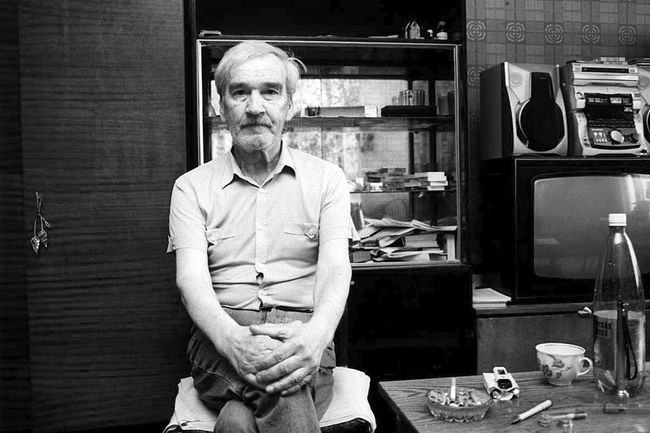
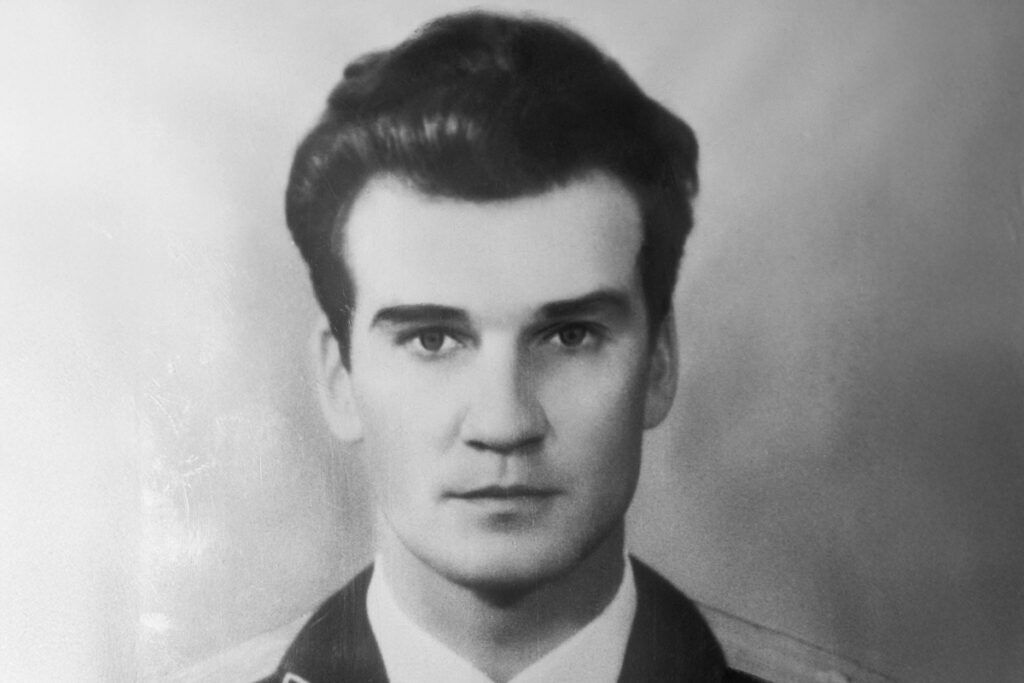
In September 1983, Soviet air defense officer Stanislav Petrov was on duty monitoring an early warning system designed to detect incoming nuclear missiles from the United States. On the night of September 26, the system suddenly reported that five missiles had been launched. In the tense atmosphere of the Cold War, such a warning carried enormous weight, and protocol suggested that it should be treated as the beginning of a nuclear attack.
However, the alert didn’t match what Petrov had learned to expect from a real first strike, which would likely involve hundreds of missiles rather than just a handful. Trusting his judgment over the automated system, he chose to report the warning as a false alarm instead of escalating it up the chain of command. He was right — the system had misinterpreted sunlight reflecting off high-altitude clouds as incoming missiles.
That decision, made in a moment of intense uncertainty, is widely credited with helping to prevent a potential nuclear escalation between superpowers. Petrov’s choice wasn’t exactly an accident — he deliberately overrode protocol based on instinct and experience — but the decision easily could have gone the other way. In later years, Petrov became known as “the man who saved the world” due to the fortunate outcome of this unlikely moment.