




King Charles VI believed he was made of glass.
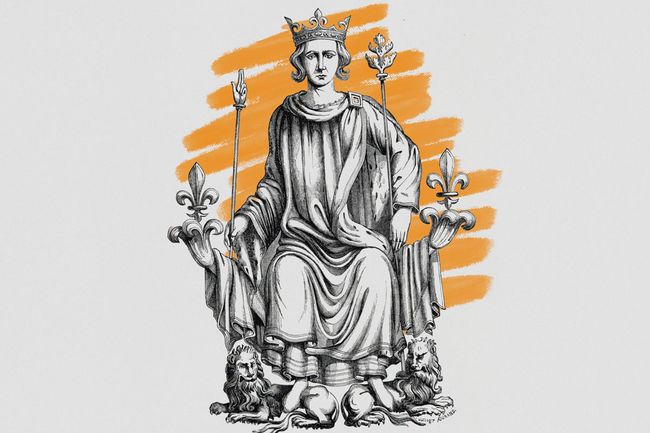
The first part of Charles VI’s reign in France seemed promising. After overthrowing (in 1388) four corrupt uncles who had pilfered the country, he brought in more competent advisers and humane policies, earning the nickname “Charles the Beloved.” Unfortunately, history would remember him by another name: “Charles the Mad.”
In 1392, Charles suffered the first major mental break of his reign. While leading a military expedition, he became suddenly paranoid, drew his sword, and attacked his own knights, killing several. From then on, he experienced recurring periods of psychosis, confusion, and delusion. These worsened after the notorious Bal des Ardents (Ball of the Burning Ones) in 1393, when Charles joined a court masquerade dressed as part of group of “wild men” in costumes coated with flammable material. When a torch set the dancers ablaze, four men died. Charles survived, but the catastrophe deepened his anxieties and instability.
One of the king’s strangest symptoms was the belief that he was made of glass. Terrified of shattering, he wore reinforced garments with iron rods sewn into them and avoided sudden movement or touch.
Odd as that sounds, Charles was not alone. The “glass delusion” appeared across Europe from the late Middle Ages into the early modern period, affecting nobles, scholars, and royals who believed their bodies — or parts of them — were made of fragile glass. At a time when glass was still rare, precious, and newly fashionable, the delusion may have reflected a sense of being on display, of preciousness or transparency, or a deeper sense of the human fragility we all carry.


