




During World War II, people ate mock bananas made from parsnips.
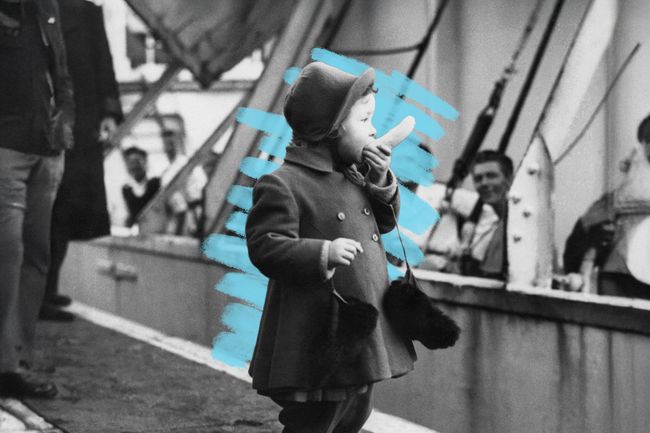
In 1940, as Britain endured the Blitz and struggled under strict food rationing, one unexpected loss loomed large in the national imagination: the banana. Before the war, the island imported roughly 20 million tons of food a year, including most of its fruit. But when German naval attacks threatened supply routes — and refrigerated ships were diverted to military use — the Minister of Food ordered a complete halt to banana imports. For many children, who had grown up with the fruit as a sweet staple, the ban felt especially cruel.
Enter Marguerite Patten, a home economist hired by the Ministry of Food to teach Brits how to cook under wartime constraints. Patten became famous for her “mock” recipes — mock sausages made with lentils, mock oyster soup built on artichokes, and, notably, mock bananas.
Her substitute relied on a humble root vegetable: the parsnip. Boiled or roasted until soft, then mashed with sugar and a splash of artificial banana essence, the mixture took on a surprisingly banana-like texture and taste (though it was still far from the real thing). Some thrifty cooks even tinted the result yellow. Children who had never tasted a real banana often believed the ruse; adults tended to be less convinced. One wartime diarist recalled her husband eagerly devouring the treat — until he learned the truth and refused to eat it again.
When the first postwar shipment of bananas — 5 million of them — arrived in 1945, the country staged a celebratory parade. Children were the first allowed a taste. After years of ersatz fruit fashioned from parsnips, the real thing was nothing short of magical.


