




5 Things Movies Get Wrong About the Medieval Era
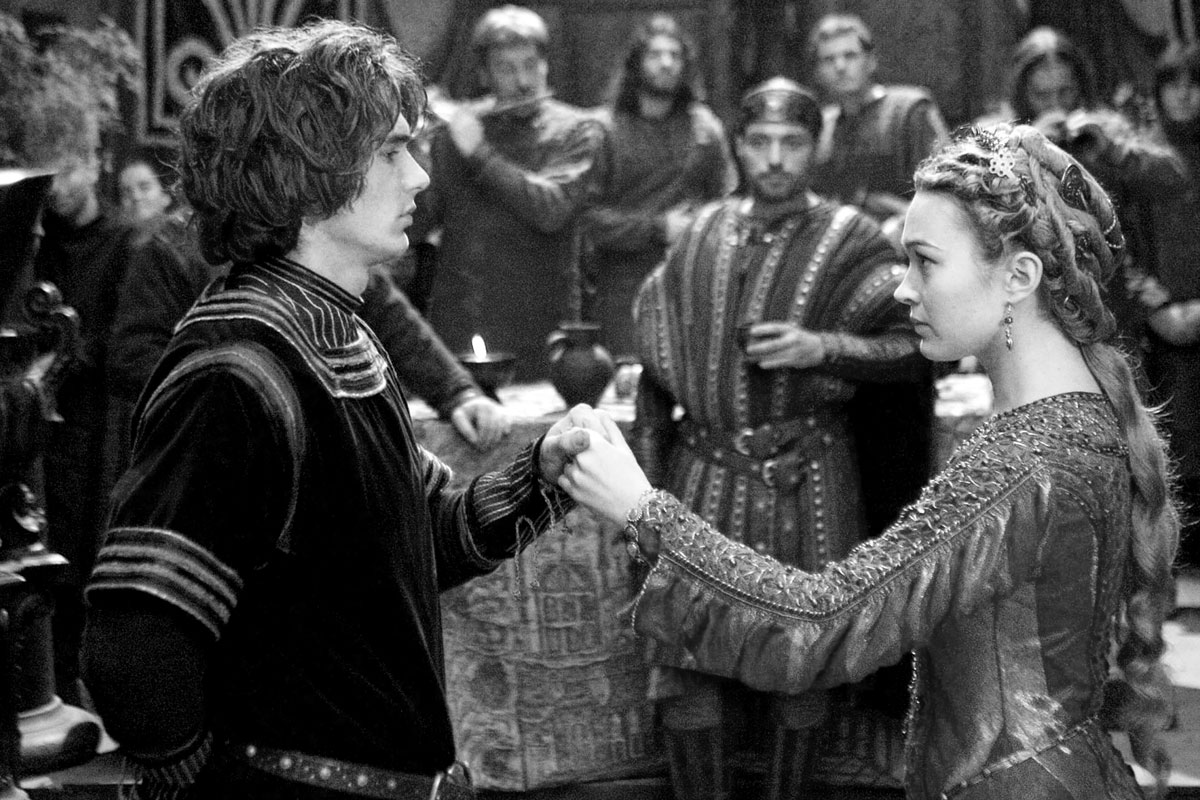
There’s a reason you’ve never heard Nicole Kidman say, “We come to this place for a history lesson,” in her AMC commercials. Movies don’t have the best track record when it comes to historical accuracy, especially where the Middle Ages are concerned. Some dubious medieval tropes show up more than others, of course, and these are five of the biggest offenders.
Prima Nocta
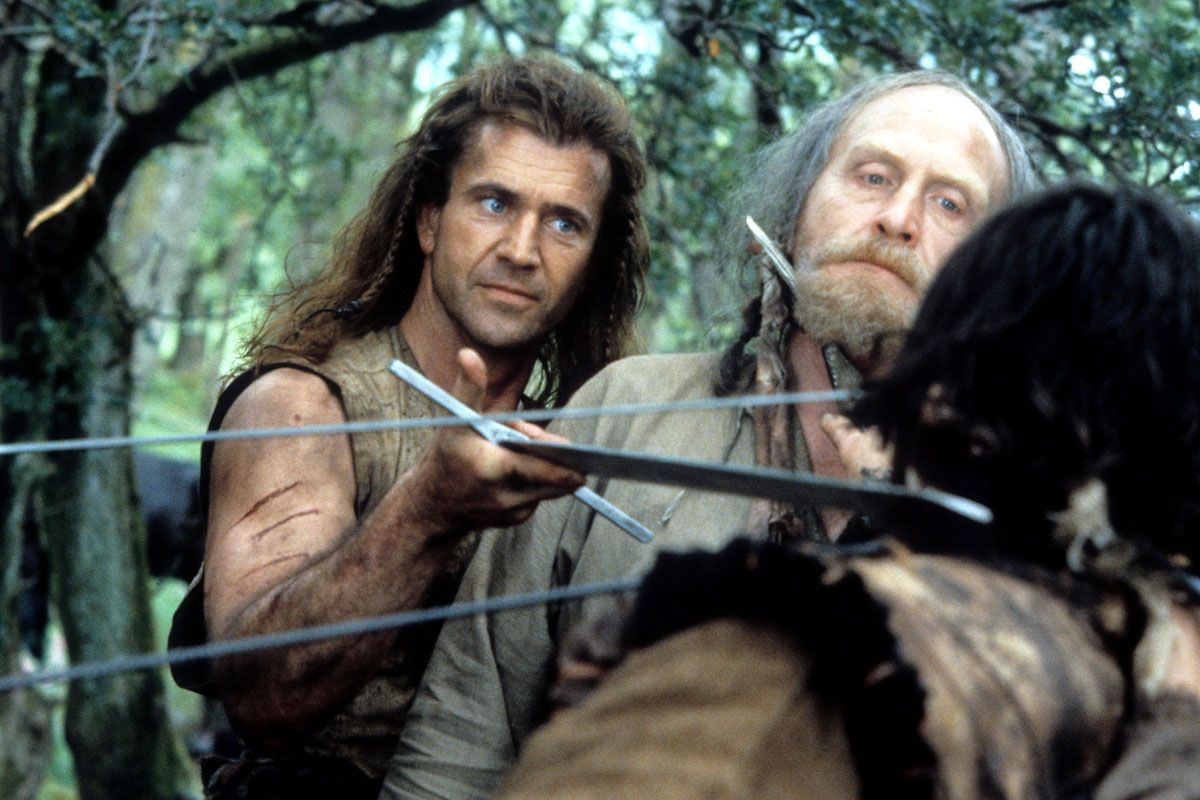
In one of Braveheart’s most upsettingly memorable scenes, Edward Longshanks invokes prima nocta (Latin for “first night”): the right of a feudal lord to sleep with any female subject he so desires, especially on her wedding night. Not only does Hollywood often get the name wrong — it’s more accurately known as either droit du seigneur (“right of the lord”) or jus primae noctis (“right of the first night”) — but the practice most likely never existed. Braveheart is (in)famous for its historical inaccuracies, few of which have seeped into the collective imagination quite like this one. The tradition has been referenced in everything from Avengers: Age of Ultron to The Office, always as prima nocta — a sign that the writers in question first heard of it from Braveheart rather than any historical source.
More from our network






Hygiene
Despite what just about every depiction of the period would have you believe, from Monty Python and the Holy Grail to Kingdom of Heaven, medieval people weren’t always dirty. The misconception is especially prevalent in regard to the peasantry, who are almost always portrayed in rags and a thick layer of grime as they eke out a meager existence under the yoke of a cruel lord. In reality, many people bathed and brushed their teeth on a regular basis, with most settlements built either near fresh water or in proximity to a functioning well. They even had soap, which has been available in Europe since the ninth century CE.

Pitched Battles
When imagining medieval warfare, a very specific image comes to mind: two massive armies meeting on an open field and charging directly at each other until one side emerges victorious (known as a pitched battle and seen in such films as Braveheart and Henry V). Despite its frequent depiction in film and television, this was actually quite rare, and for a very good reason. Such conflicts were incredibly risky affairs whose outcomes were nearly impossible to control. Raids, sieges, and skirmishes were far more common, with one army targeting the other’s lands and terrorizing its people on a smaller scale rather than putting all their eggs in one basket.

The Dark Ages
According to nearly every fictionalization of the medieval period, not a lot was going on in the worlds of art, literature, and science. This misconception earned the era its long-standing nickname: the “Dark Ages.” The Hollywood-fueled myth would have us believe that medieval people were ignorant, few scientific or cultural developments were made during these decades, and it was generally a bad time to be anything other than a king or noble. The truth is much more nuanced than movies such as Tristan & Isolde and Black Death would have you believe. The Christian church didn’t completely stifle science and art in medieval Europe; in fact, much of the era’s most beautiful art was actually sponsored by the church. Many of these myths trace back to Petrarch, a 14th-century poet, whose complaints about the Italian literature of the time being subpar were misinterpreted as relating to the entire era.

Chastity Belts
Like prima nocta, chastity belts are a myth — though Hollywood is not entirely to blame for this one. The concept predates the movies by several centuries, as these restrictive items have been depicted in art since at least the 1500s. Even then, they were mostly satirical — meaning that in the 16th century people found the idea as laughable as we do today, though it seems some took the jokes found in supposed illustrations of the device by military engineer Conrad Kyeser seriously and believed they were based on actual practices. None of this makes Robin Hood: Men in Tights any less funny, of course.
For similar articles, subscribe to our sister brand Movie Brief, brought to you by our resident film critic Michael Nordine. You’ll receive a weekly review and recommendation of a new movie, whether in theaters or available to stream, as well as a list of 25 must-see movies when you first sign up.


