




Until the 1980s, most households rented rather than owned their phones.
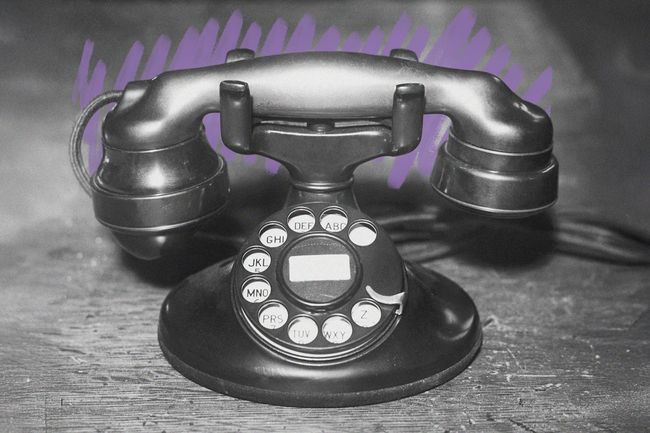
Home phones really took off in the 1940s, but for the next several decades, almost nobody who used a telephone actually owned one. Instead, most customers rented the phones in their houses. Phone rental rates typically ran between $1.50 and $4.60 a month (depending on the model), and the charge was rolled into your monthly cost of service.
So why didn’t people just own their phones? They didn’t have a choice, due to the monopoly that AT&T had on telecommunications for the vast majority of the 20th century. AT&T provided the phone service and owned the company that manufactured the equipment, Western Electric, and required their customers to rent Western Electric phones.
In 1968, after several failed antitrust charges, the Federal Communications Commission (FCC) finally ruled that AT&T wasn’t allowed to restrict customers to Western Electric telephones. Yet AT&T got around this by requiring that customers pay extra for the installation and use of special adapters for phones from outside companies, claiming third-party equipment could damage the phone network.
The Department of Justice took another crack at the corporate giant with an antitrust suit in 1974, but preparation took so long that the trial didn’t officially start until 1981. The decision finally came down in 1982 that AT&T would have to divest from several smaller regional phone companies, finally easing the corporation’s stranglehold on the telecommunications industry.
After that, the switch to phone ownership was rapid, and service providers gave customers opportunities to buy their rented phones outright. With the change came a slew of new telephone options from AT&T competitors, including speed dial, cordless phones, and Mickey Mouse styles.


